NASA Set to Reveal Key Advancements in Lunar Base Development
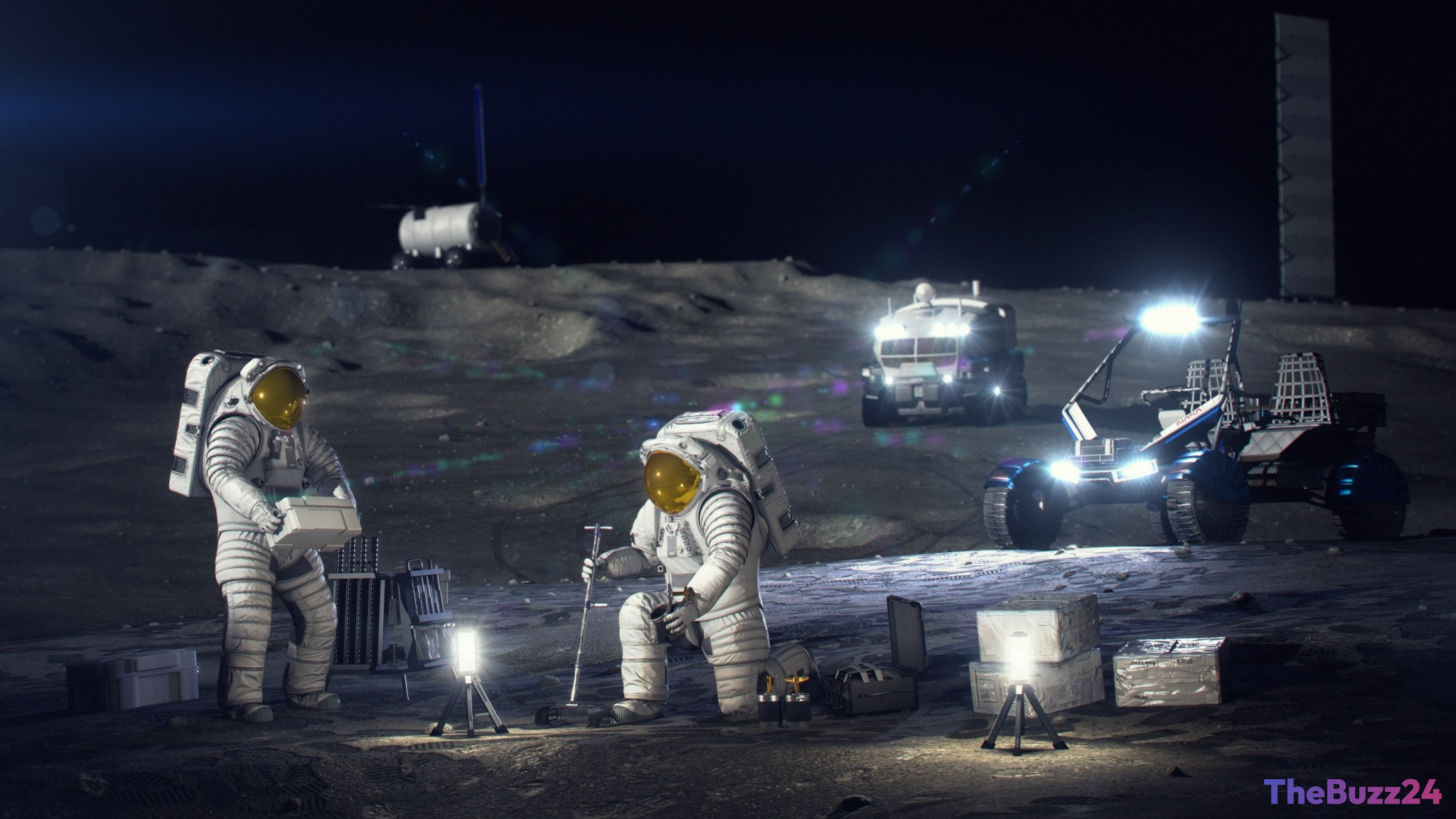
NASA is poised to deliver a significant update on its ambitious Moon Base initiative during a media briefing scheduled for Tuesday, May 26, at 2 p.m. EDT. Hosted at the agency’s headquarters in Washington, the event will detail critical advancements toward establishing a sustained human presence on the lunar surface, marking a pivotal moment in humanity’s renewed focus on Earth’s closest celestial body.
During the upcoming conference, senior NASA leadership will outline the program’s trajectory, including the formation of new industry partnerships and revised mission timelines. Among the prominent figures slated to speak are NASA Administrator Jared Isaacman and Lori Glaze, who serves as the acting associate administrator for the Exploration Systems Development Mission Directorate. Further insights into the ongoing development of the Moon Base program will be provided by Carlos García-Galán, the initiative’s lead.
The Moon Base project is a cornerstone of NASA’s broader exploration strategy, with a particular emphasis on the lunar South Pole. This region is strategically vital due to its potential for groundbreaking scientific research and future commercial endeavors, including the utilization of lunar resources. Moreover, the initiative functions as an essential proving ground, testing advanced technologies and operational strategies in a challenging extraterrestrial environment, thereby laying crucial groundwork for subsequent crewed missions to Mars.
The public can access the live briefing via NASA+ and the agency’s official YouTube channel. Media representatives planning to attend in person or participate remotely by phone are required to RSVP to the headquarters newsroom by 11 a.m. on May 26.
Key Takeaways
- NASA will host a briefing on May 26 to provide updates on its Moon Base initiative, aiming for a continuous human presence on the lunar surface.
- Key NASA leaders, including Administrator Jared Isaacman, will discuss program advancements, new industry collaborations, and updated mission schedules.
- The Moon Base project focuses on the lunar South Pole for its scientific and commercial potential, serving as a vital stepping stone for future crewed missions to Mars.
Editor’s Analysis & Impact
NASA’s unwavering commitment to establishing a permanent lunar outpost signals a transformative period for the global space sector. This endeavor is expected to catalyze substantial investment and foster rapid innovation across the aerospace industry, potentially giving rise to a vibrant lunar economy. The strategic focus on the lunar South Pole, with its promise of valuable resources like water ice, could unlock unprecedented avenues for scientific discovery and commercial exploitation. Beyond its immediate implications, the Moon Base serves as an indispensable stepping stone for deeper space exploration, particularly for crewed missions targeting Mars. This forward-looking vision not only propels human scientific and technological capabilities but also underscores the evolving geopolitical significance of space, inspiring a new generation of explorers and innovators worldwide.
Frequently Asked Questions
Q: What is the primary goal of NASA's Moon Base program?
A: The main objective of NASA's Moon Base initiative is to establish a continuous human presence on the Moon, facilitating long-term scientific research, technological development, and serving as a preparatory stage for future deep-space missions, including those to Mars.
Q: Why is the lunar South Pole a key focus for this initiative?
A: The lunar South Pole is considered a critical location due to the potential presence of water ice in its permanently shadowed craters, which could be essential for life support, fuel production, and other resource needs. Its unique geological characteristics also present significant opportunities for scientific study.
Q: How does the Moon Base project support future missions to Mars?
A: The Moon Base will act as a crucial testbed for new technologies, operational procedures, and human adaptation to an extraterrestrial environment. The knowledge gained and systems developed on the Moon will directly inform and enable the complex challenges associated with sending humans to Mars.
AI Disclosure: This article is based on verified data and official reports. Our Team and AI have cross-referenced every financial detail with primary sources to ensure total accuracy.
More from this Category