Jeff Bezos Proposes Tax Overhaul for Low-Income Earners Amidst AI Optimism
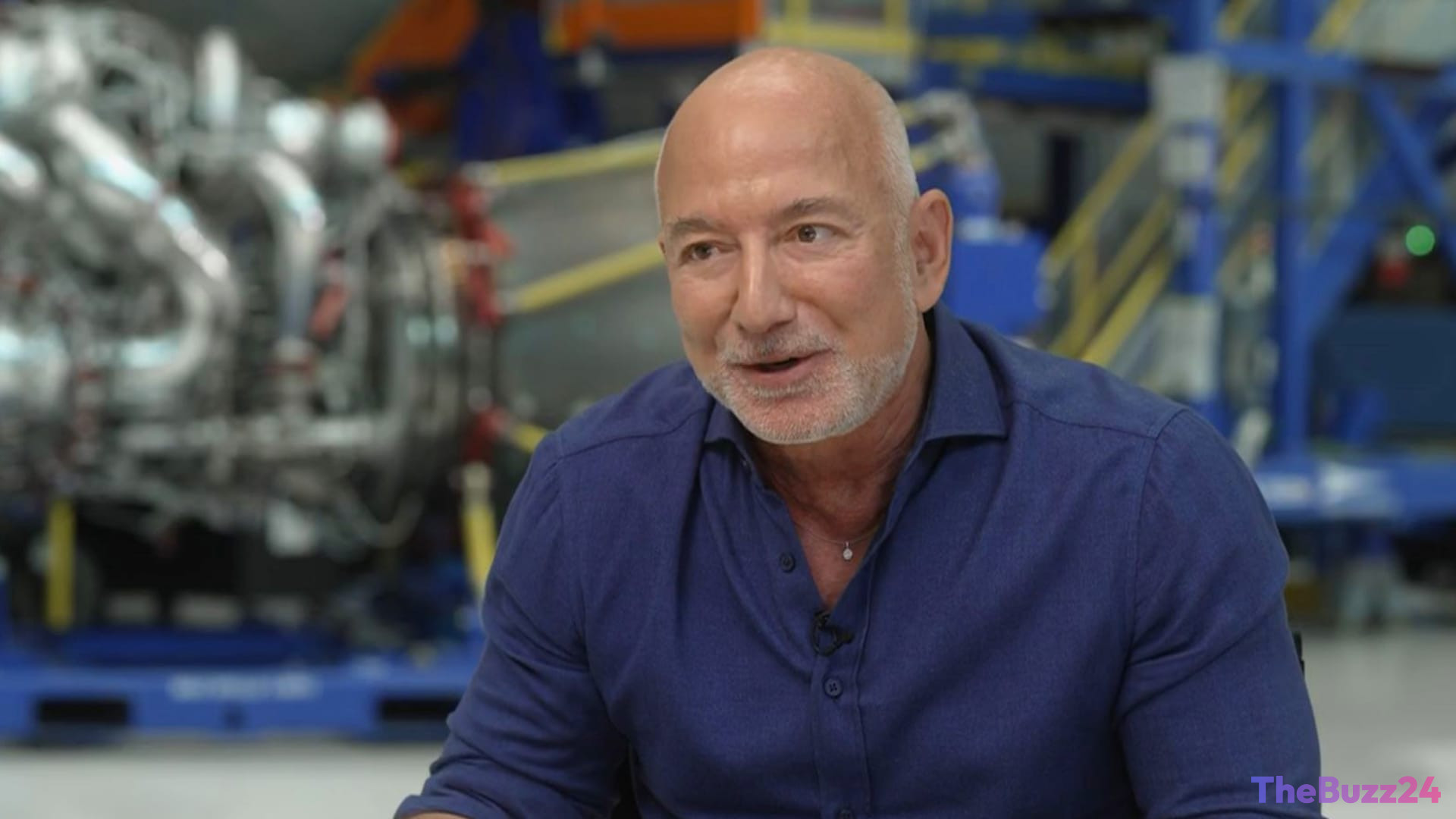
Amazon and Blue Origin founder Jeff Bezos has unveiled a vision for economic reform, calling for the elimination of federal income taxes for the bottom half of American earners. During a recent interview, Bezos highlighted the disparity in the current economic landscape, pointing to the significant tax burden placed on middle-class workers, such as nurses, as evidence that the system requires a fundamental shift. He argued that easing the financial pressure on these individuals would provide more meaningful relief than simply increasing taxes on the wealthy.
Addressing the ongoing national debate regarding wealth inequality, Bezos pushed back against the narrative that taxing the ultra-wealthy is the primary solution to fiscal deficits. He contended that the United States already maintains one of the most progressive tax structures globally and suggested that the root cause of government debt lies in excessive spending rather than a lack of tax revenue. Furthermore, he dismissed claims regarding sophisticated tax-avoidance strategies used by the elite, asserting that such measures are often misunderstood or overstated in their impact on the average worker.
Beyond fiscal policy, Bezos shared a bullish outlook on the future of artificial intelligence. He rejected the notion that AI poses an existential threat to employment, instead framing the technology as a powerful tool for augmentation. By comparing AI to the transition from manual labor to mechanized equipment, he argued that these advancements will drive productivity and lower costs for consumers. He emphasized that AI is designed to empower professionals, such as engineers, by allowing them to accomplish more with greater efficiency.
On the political front, Bezos maintained a stance of pragmatic engagement, noting the importance of business leaders working with any administration. He offered observations on the political climate, including reflections on the leadership style of former President Donald Trump. Bezos stressed that his interactions with political figures are rooted in a nonpartisan approach, aimed at fostering dialogue across the aisle to support innovation and economic growth.
Key Takeaways
- Jeff Bezos advocates for eliminating federal income taxes for the bottom 50% of American earners to alleviate financial strain.
- The Amazon founder argues that fiscal deficits are driven by government spending rather than a lack of tax revenue from the wealthy.
- Bezos views artificial intelligence as a productivity-enhancing tool that will benefit the workforce rather than lead to mass job displacement.
Editor’s Analysis & Impact
Jeff Bezos’s recent commentary signals a strategic pivot in how high-profile tech leaders are engaging with populist economic concerns. By advocating for tax relief for lower-income brackets, Bezos is attempting to reframe the wealth inequality debate, shifting the focus from ‘taxing the rich’ to ‘relieving the working class.’ This approach serves to insulate his own interests while positioning his philosophy as pro-worker. His optimism regarding AI reflects a broader trend among Silicon Valley titans who are eager to normalize the integration of generative AI into the labor market. However, his political commentary—specifically his remarks on the current administration—highlights the delicate tightrope major CEOs must walk to maintain influence in a polarized political environment. The long-term impact of these statements will likely be measured by whether they influence legislative discourse or are dismissed as corporate rhetoric.
Frequently Asked Questions
Q: What is Jeff Bezos's primary argument regarding federal income taxes?
A: Bezos argues that the bottom half of earners should be exempt from federal income taxes to provide immediate relief to those struggling with the current cost of living.
Q: How does Jeff Bezos view the impact of AI on the job market?
A: Bezos believes AI will act as a productivity multiplier that augments human labor, similar to how heavy machinery improved efficiency in the past, rather than replacing human workers.
AI Disclosure: This article is based on verified data and official reports. Our Team and AI have cross-referenced every financial detail with primary sources to ensure total accuracy.
More from this Category