Stellantis Taps Wayve to Accelerate Autonomous Driving Integration by 2028
Automotive conglomerate Stellantis has officially partnered with the artificial intelligence startup Wayve to incorporate advanced autonomous driving software into its global vehicle fleet. The collaboration, unveiled at a recent investor gathering, sets an ambitious timeline to introduce sophisticated hands-free driving capabilities to the company’s diverse brand portfolio, which includes Jeep, Ram, Chrysler, and Dodge, by 2028.
Wayve distinguishes itself in the competitive autonomous vehicle sector through its unique, hardware-agnostic approach. Rather than requiring expensive, specialized sensor suites or high-definition mapping, the startup utilizes an end-to-end neural network capable of adapting to existing vehicle hardware. This flexibility allows manufacturers like Stellantis to integrate cutting-edge AI features without the need for costly, large-scale structural overhauls to their production lines.
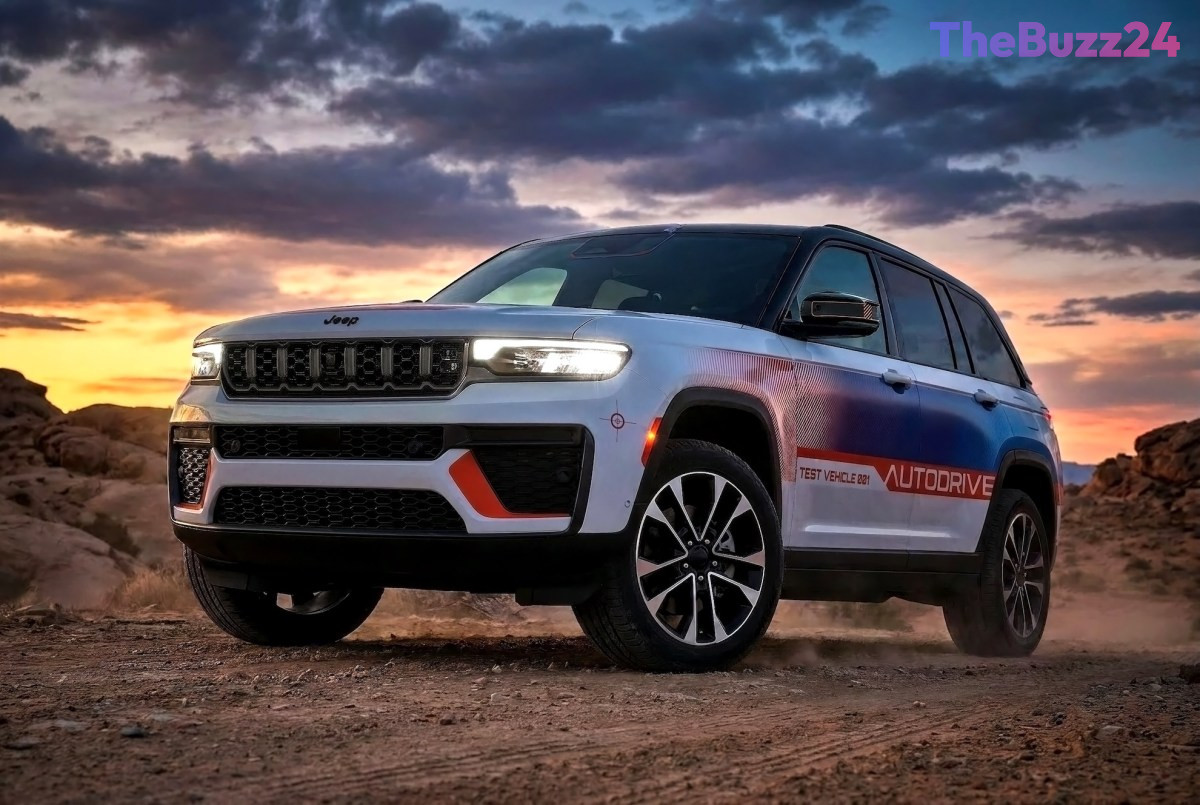
This strategic move aligns with the broader $70 billion transformation plan currently underway at Stellantis, which aims to launch 11 new vehicle models in North America by 2030. While the financial specifics of the deal have not been disclosed, the integration is expected to span a wide range of price points, supporting both supervised hands-off driving and future fully autonomous operations. Early testing has already yielded promising results, with engineers successfully deploying the AI model into test vehicles in just a few weeks.
Key Takeaways
- Stellantis plans to integrate Wayve's AI-driven autonomous software into its vehicle lineup by 2028.
- Wayve’s technology is hardware-agnostic, allowing for easier implementation without requiring specialized sensor suites or high-definition maps.
- The partnership supports the Stellantis $70 billion turnaround strategy, which includes launching 11 new North American vehicle models by 2030.
Editor’s Analysis & Impact
The partnership between Stellantis and Wayve represents a pivotal shift in the autonomous vehicle landscape, moving away from the ‘sensor-heavy’ model toward a more scalable, software-centric approach. By choosing a hardware-agnostic partner, Stellantis is effectively hedging against the high capital expenditure typically associated with self-driving technology. This strategy is crucial for a legacy automaker aiming to maintain affordability while competing with tech-native rivals. If successful, this integration could set a new industry standard for how traditional manufacturers adopt AI, potentially accelerating the mass-market adoption of autonomous features. However, the success of this venture will ultimately depend on the reliability of Wayve’s neural network in diverse, real-world driving conditions, as well as the regulatory environment surrounding autonomous systems as they approach the 2028 target date.
Frequently Asked Questions
Q: What makes Wayve's autonomous technology different from others?
A: Wayve uses a hardware-agnostic, end-to-end neural network that does not rely on high-definition maps or specific proprietary sensor suites, allowing it to adapt to existing vehicle hardware.
Q: Which vehicle brands under Stellantis will benefit from this partnership?
A: The partnership is intended to scale across the diverse range of vehicles offered by Stellantis, including brands such as Jeep, Ram, Chrysler, and Dodge.
AI Disclosure: This article is based on verified data and official reports. Our Team and AI have cross-referenced every financial detail with primary sources to ensure total accuracy.
More from this Category