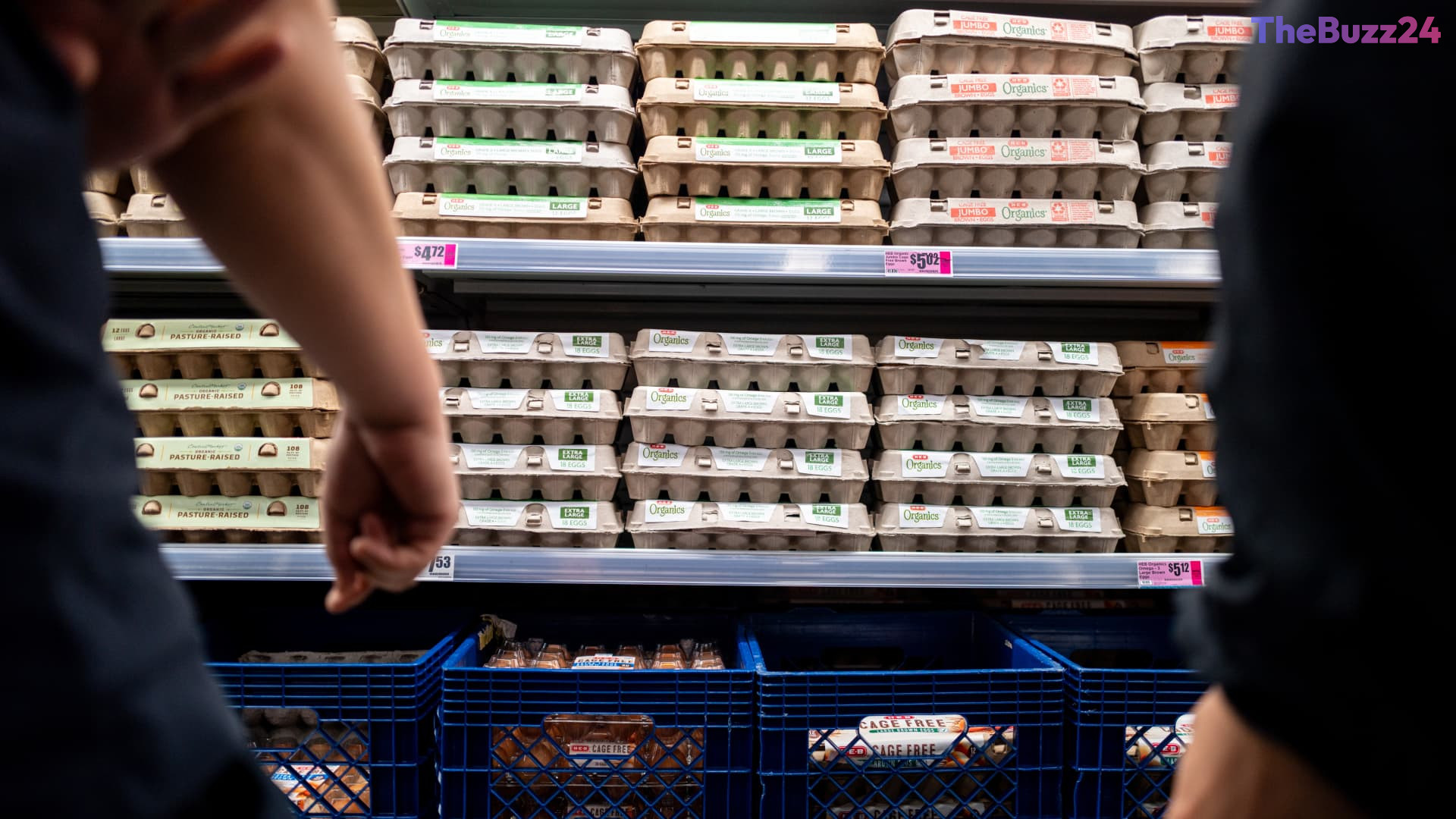
Egg Prices Plummet as Market Surplus Challenges Producers
Consumers are experiencing a notable reprieve at the checkout counter as egg prices have seen a sharp decline, signaling a major shift from the supply shortages that plagued the market during recent avian influenza outbreaks. As of March 2026, egg prices have fallen by nearly 45% compared to the previous year. This rapid correction is largely attributed to successful efforts by the agricultural sector to rebuild flocks and restore production capacity to pre-crisis levels.
However, this positive development for household budgets has introduced significant financial instability for egg producers. While the market is currently saturated with supply, the industry is grappling with a difficult economic environment characterized by a margin squeeze. Producers are facing the dual pressure of plummeting wholesale prices and stubbornly high operational costs. Expenses related to animal feed remain elevated, and recent volatility in fuel prices has further complicated the logistics and transportation of goods.
Major industry players, including Cal-Maine Foods and Pete & Gerry’s, have highlighted that these overhead costs show little sign of retreating, threatening the long-term viability of many operations. Despite these challenges, consumer demand for eggs remains strong, as the product continues to be a staple in protein-focused diets across the country. The current market imbalance is primarily a result of supply growth outpacing consumption, leading to a price correction that has become a central topic in discussions regarding national food inflation.
Key Takeaways
- Egg prices have dropped by approximately 45% year-over-year due to successful flock rebuilding and increased production.
- Producers are facing a financial crisis as wholesale prices fall while operational costs, such as feed and fuel, remain high.
- Consumer demand for eggs remains robust, but the current supply surplus is driving the recent market price correction.
Editor’s Analysis & Impact
The current egg market volatility serves as a classic case study in the ‘bullwhip effect’ within agricultural supply chains. After years of supply-side shocks caused by disease, the industry has successfully over-corrected, leading to a surplus that is currently punishing producers. The broader implication here is the fragility of food pricing; while consumers benefit from lower costs, the lack of margin for producers could lead to market consolidation or future supply contractions if smaller farms are forced out of business. Looking ahead, the industry must find a balance between maintaining sufficient inventory to prevent shortages and managing the high input costs that are currently eroding profitability. If feed and fuel prices do not stabilize, we may see a cycle of production cuts that could eventually lead to another round of price volatility in the coming years.
Frequently Asked Questions
Q: Why have egg prices dropped so significantly?
A: The price drop is primarily due to the successful rebuilding of poultry flocks following previous avian influenza outbreaks, which has led to a surplus of eggs in the market.
Q: Are producers benefiting from the current market conditions?
A: No, producers are currently struggling. While supply is high, they are facing a 'margin squeeze' because their operational costs—such as animal feed and fuel—remain high while the wholesale price they receive for their eggs has fallen.
AI Disclosure: This article is based on verified data and official reports. Our Team and AI have cross-referenced every financial detail with primary sources to ensure total accuracy.
More from this Category