Regional Stability Crumbles as Lebanon Conflict Intensifies
A major surge in military operations has engulfed Lebanon, as a widespread aerial campaign struck over 100 locations across the nation’s southern and eastern regions. This sudden escalation effectively terminates the period of relative stability that followed the mid-April ceasefire, signaling a transition toward more aggressive and sustained combat maneuvers. The human impact has been severe, with health officials reporting at least 11 fatalities, including two children, following a strike in the Bekaa Valley village of Mashghara.
The intensification of these operations follows a directive from Israeli Prime Minister Benjamin Netanyahu to increase pressure on Hezbollah. This strategic shift is framed as a necessary response to persistent rocket and drone attacks launched from Lebanese territory, which have increasingly tested regional defense systems. The announcement of these strikes triggered immediate panic in the southern suburbs of Beirut, leading to mass evacuations as residents flee in anticipation of further military action.
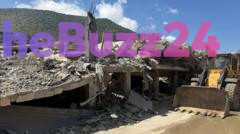
While military leadership maintains that the strikes are precision-targeted to dismantle Hezbollah’s command centers and weapons caches, the humanitarian toll continues to rise. Lebanese authorities report significant casualties and extensive damage to residential neighborhoods and critical infrastructure. With both sides accusing one another of violating ceasefire agreements, international diplomatic efforts have largely stalled. As the situation remains volatile, Hezbollah continues to launch retaliatory strikes, leaving the region in a state of profound uncertainty with little prospect for an immediate diplomatic resolution.
Key Takeaways
- Over 100 aerial strikes have targeted southern and eastern Lebanon, marking a significant escalation in hostilities.
- The conflict has resulted in civilian casualties, including children, and triggered mass evacuations in Beirut.
- Diplomatic efforts to maintain the mid-April ceasefire have failed, with both sides engaging in sustained retaliatory fire.
Editor’s Analysis & Impact
The current escalation represents a critical breakdown in the fragile security architecture of the Levant. By shifting to a more aggressive aerial campaign, the Israeli government is signaling a move away from containment toward a strategy of active degradation of Hezbollah’s military capabilities. This development carries profound implications for regional stability, as it risks drawing in broader geopolitical actors and further destabilizing the Lebanese state, which is already grappling with severe economic and political crises. The failure of diplomatic channels to enforce the mid-April ceasefire suggests that the conflict is entering a protracted phase of attrition. Future outlooks remain grim, as the cycle of retaliation and counter-retaliation creates a feedback loop that makes a negotiated settlement increasingly difficult to achieve without significant external intervention or a fundamental shift in the strategic calculus of both combatants.
Frequently Asked Questions
Q: What triggered the recent escalation in hostilities?
A: The escalation was triggered by a directive from Prime Minister Benjamin Netanyahu to intensify operations against Hezbollah in response to ongoing rocket and drone attacks originating from Lebanon.
Q: What is the current humanitarian situation in the region?
A: The humanitarian situation is dire, with thousands of casualties reported since the conflict began and widespread destruction of residential homes and critical infrastructure, leading to mass evacuations.
AI Disclosure: This article is based on verified data and official reports. Our Team and AI have cross-referenced every financial detail with primary sources to ensure total accuracy.
More from this Category