The Moral and Economic Stakes of the AI Labor Revolution
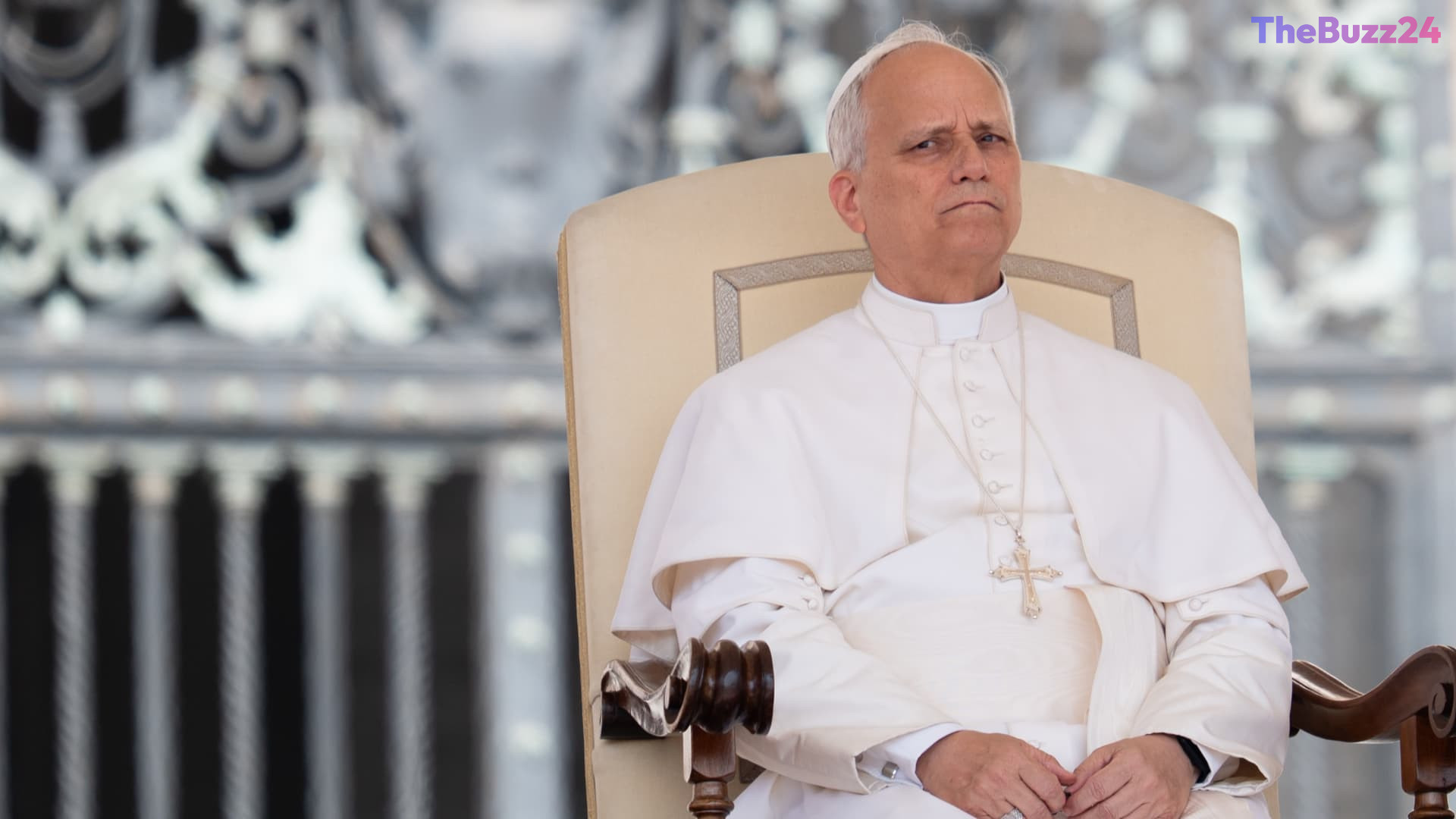
Pope Leo has issued a formal warning regarding the rapid proliferation of artificial intelligence, cautioning that the unchecked adoption of these technologies risks triggering a significant social crisis defined by widespread unemployment. In a recent encyclical, the pontiff emphasized that corporate profitability must not supersede human dignity. He argued that the global economic structure should prioritize the common good, noting that employment serves as a vital component of the human experience by offering individuals a sense of purpose, community, and social integration that cannot be replaced by automated systems.
These concerns are increasingly mirrored in financial markets, where investors are actively hedging against the potential for long-term labor instability. Data from the prediction platform Kalshi reveals that traders currently assign a 60% probability to the U.S. unemployment rate surpassing 8% before 2030. Furthermore, there is a 47% likelihood that joblessness could exceed 9% within the same period. Such figures are historically consistent with severe economic downturns or profound structural shifts in the labor market, fueling ongoing debates about the disruptive potential of AI automation.
While proponents of technological advancement often characterize labor displacement as a temporary phase of economic evolution, the warning from the Vatican suggests that the dangers of forced inactivity and cultural erosion are substantial. Market participants appear to share this apprehension, with current data showing a 78% probability that AI will be cited as the primary catalyst for job losses in the month of May. As policymakers and industry leaders navigate the future of regulation, the tension between rapid technological innovation and the preservation of economic stability remains a critical point of global concern.
Key Takeaways
- Pope Leo warns that AI-driven automation threatens human dignity and social stability by displacing the necessity for meaningful work.
- Financial markets are pricing in significant risk, with traders assigning a 60% probability that U.S. unemployment will exceed 8% by 2030.
- There is a 78% market consensus that artificial intelligence will serve as the primary driver for job losses in the near term.
Editor’s Analysis & Impact
The intersection of moral leadership and financial forecasting highlights a growing consensus that AI is not merely a tool for efficiency, but a structural disruptor of the global labor market. The Pope’s intervention shifts the narrative from purely technical or economic discourse to one of social ethics, potentially pressuring policymakers to accelerate the development of safety nets or regulatory frameworks. From a market perspective, the high probability assigned by traders to rising unemployment suggests that ‘AI-risk’ is being priced into long-term economic outlooks. If these predictions hold, we may see a shift in corporate social responsibility mandates and a push for ‘human-in-the-loop’ requirements in industries most susceptible to automation. The broader implication is a potential decoupling of productivity growth from wage growth, which could necessitate fundamental changes to social welfare systems worldwide.
Frequently Asked Questions
Q: Why is the Pope concerned about artificial intelligence?
A: The Pope is concerned that the rapid adoption of AI prioritizes corporate profit over human dignity, potentially leading to mass unemployment and the loss of the social and personal purpose that work provides.
Q: What do financial markets suggest about the impact of AI on jobs?
A: Financial markets are reflecting significant uncertainty, with traders assigning high probabilities to rising unemployment rates and identifying AI as a primary driver for upcoming job losses.
AI Disclosure: This article is based on verified data and official reports. Our Team and AI have cross-referenced every financial detail with primary sources to ensure total accuracy.
More from this Category