NASA Outlines Ambitious Roadmap for Permanent Lunar Infrastructure
NASA has unveiled a comprehensive strategic framework aimed at establishing a sustained human presence on the Moon. The initiative focuses on constructing critical infrastructure at the lunar South Pole, utilizing a series of robotic missions to prepare the environment for future crewed Artemis landings. By deploying advanced cargo landers and autonomous systems, the agency intends to mitigate operational risks and gather essential data on the lunar surface.
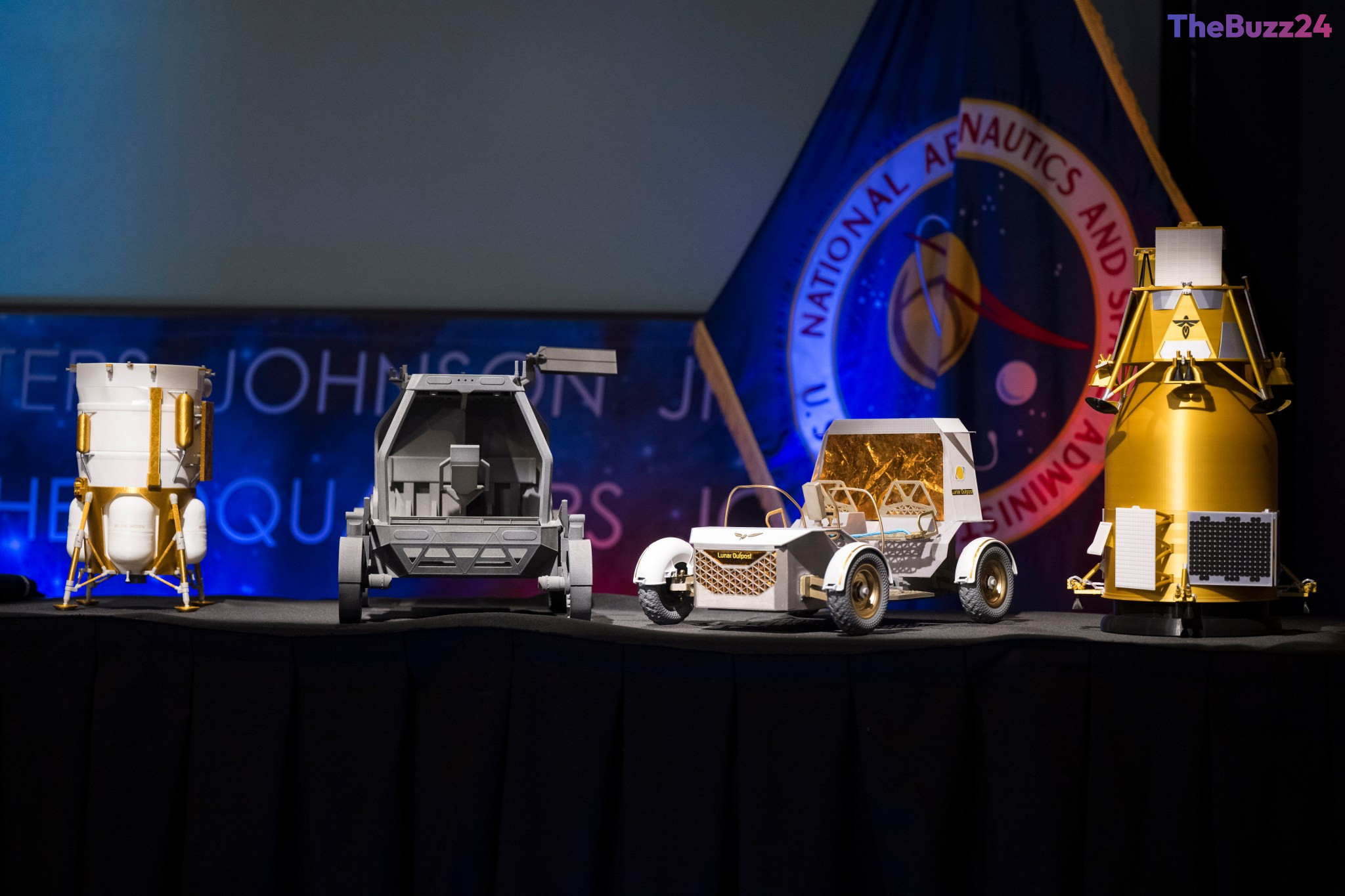
The initial phase of this roadmap involves a series of robotic flights, starting with the deployment of specialized equipment such as laser retroreflective arrays and surface interaction sensors. Key commercial partners, including Blue Origin, Astrobotic, and Intuitive Machines, have been tapped to provide the necessary landers to transport heavy cargo and scientific instruments. These missions are designed to build a foundation of operational knowledge, ensuring that the lunar environment is well-understood before human explorers arrive.
A significant component of the strategy is the development of next-generation Lunar Terrain Vehicles (LTVs). NASA has contracted Astrolab and Lunar Outpost to engineer rovers capable of both manual and autonomous operation. These vehicles, including the CLV-1 and Pegasus models, are slated for deployment by 2028 and will be vital for transporting supplies and conducting long-term scientific research. Furthermore, the MoonFall project will utilize drone fleets to survey potential landing sites, further accelerating the timeline for human exploration.
This shift toward a collaborative, commercial-led model marks a new era in space exploration. By integrating private sector innovation with government objectives, the agency is not only securing a foothold on the Moon but also establishing the logistical and technological framework required for future missions to Mars and deeper reaches of the solar system.
Key Takeaways
- NASA is prioritizing the construction of permanent lunar infrastructure at the South Pole to support long-term Artemis missions.
- Commercial partnerships with companies like Blue Origin, Astrobotic, and Intuitive Machines are central to delivering cargo and scientific equipment.
- Advanced Lunar Terrain Vehicles (LTVs) from Astrolab and Lunar Outpost are scheduled to be operational by 2028 to facilitate surface mobility.
Editor’s Analysis & Impact
The transition toward a commercial-heavy lunar exploration model represents a fundamental shift in how space agencies approach deep-space logistics. By offloading the development of landers and rovers to private entities, NASA is effectively fostering a burgeoning ‘lunar economy’ that reduces the financial burden on taxpayers while accelerating technological innovation. The focus on the lunar South Pole is particularly strategic, as it is believed to hold water ice, a critical resource for life support and fuel production. If successful, this infrastructure will serve as the essential ‘proving ground’ for Mars. The primary challenge remains the coordination of these disparate commercial timelines and the harsh, unpredictable nature of the lunar environment, which could lead to significant cost overruns or delays in the 2028 operational window.
Frequently Asked Questions
Q: What is the primary goal of NASA's new lunar strategy?
A: The primary goal is to establish a permanent, sustainable human presence on the Moon by building critical infrastructure and gathering operational data through robotic missions.
Q: When are the new Lunar Terrain Vehicles expected to be operational?
A: The Lunar Terrain Vehicles (LTVs) being developed by Astrolab and Lunar Outpost are expected to be operational by 2028.
AI Disclosure: This article is based on verified data and official reports. Our Team and AI have cross-referenced every financial detail with primary sources to ensure total accuracy.
More from this Category