European Markets Navigate Geopolitical Uncertainty as Middle East Tensions Persist
European equity markets are entering a period of cautious trading as investors grapple with the dual pressures of regional military instability and shifting energy market dynamics. While the U.K.’s FTSE 100 is anticipated to experience downward pressure, major continental indices, including Germany’s DAX, France’s CAC 40, and Italy’s FTSE MIB, are showing signs of marginal gains at the opening bell. This divergence underscores a broader trend of market hesitation, as participants weigh the resilience of the global economy against the unpredictable nature of current geopolitical events.
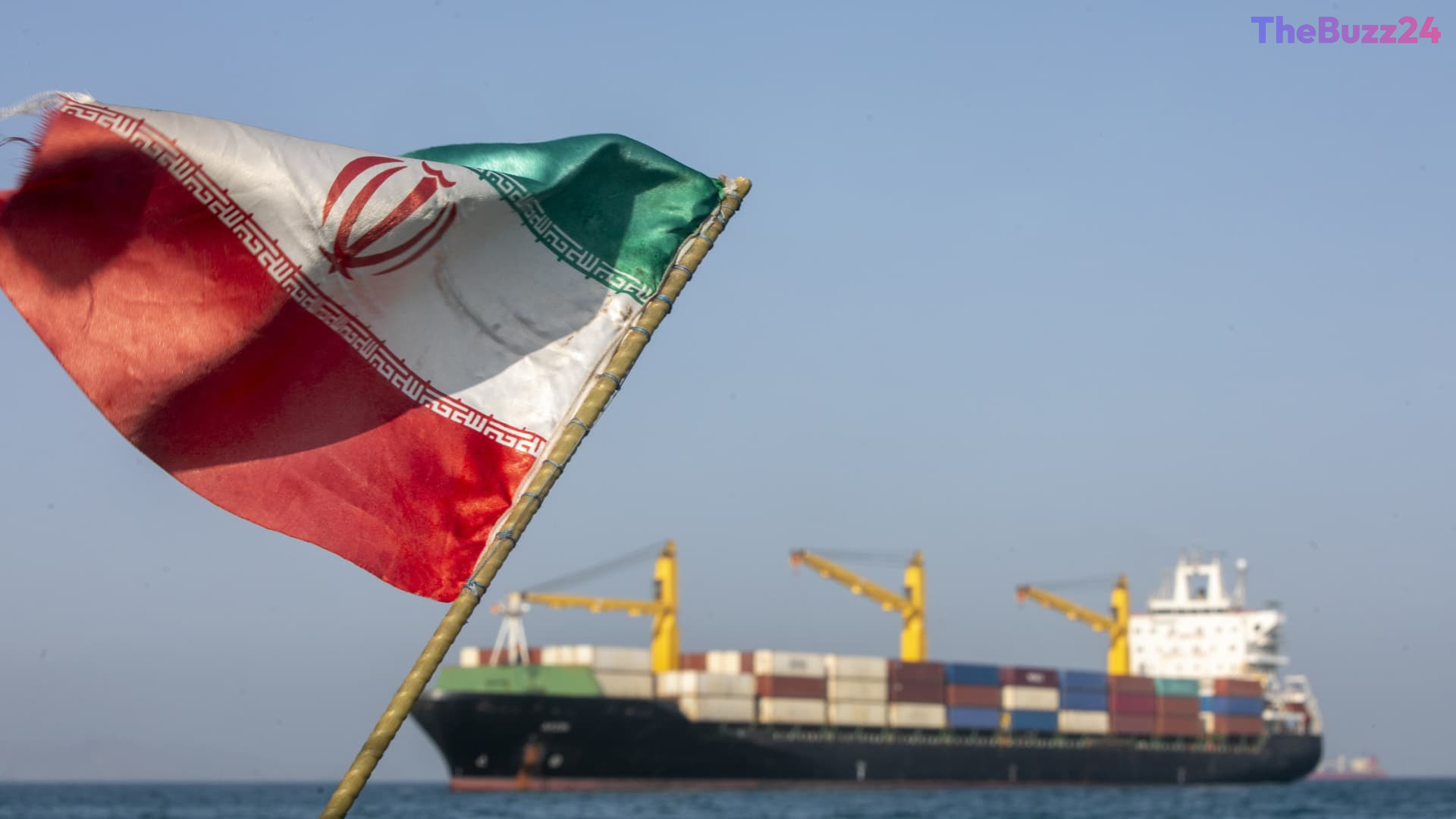
At the heart of this market anxiety is the intensifying military friction between the United States and Iran. Recent U.S. strikes against missile launch sites and naval assets have drawn sharp condemnation from Tehran, which has labeled the actions a violation of existing ceasefire protocols. These developments have effectively eroded recent diplomatic optimism, shifting the focus of global leaders toward the critical necessity of maintaining security in the Strait of Hormuz to prevent disruptions to international trade.
Despite these mounting tensions, the energy sector has provided a surprising degree of stability. Brent crude futures have moderated to approximately $97.89 per barrel, while U.S. West Texas Intermediate has seen a retreat to $91.88. This cooling in oil prices has acted as a vital buffer for investors, helping to maintain market confidence even as other global regions reach record highs. With a light corporate earnings calendar on the horizon, traders are expected to remain hyper-focused on the evolving situation in the Middle East as the primary driver of market sentiment in the coming sessions.
Key Takeaways
- European indices are showing mixed performance as investors balance geopolitical risks against economic resilience.
- Escalating military tensions between the U.S. and Iran have created significant uncertainty, overshadowing previous diplomatic efforts.
- A moderate decline in global oil prices is currently serving as a stabilizing factor for financial markets.
Editor’s Analysis & Impact
The current market environment is characterized by a fragile equilibrium between geopolitical volatility and energy-driven economic relief. The ongoing conflict in the Middle East represents a systemic risk to global supply chains, particularly given the strategic importance of the Strait of Hormuz as a primary artery for energy transit. While the recent cooling of crude prices offers a temporary reprieve for inflation-sensitive sectors, the underlying instability suggests that equity valuations remain highly sensitive to further escalation. Investors are currently favoring risk mitigation and liquidity over aggressive growth. Looking ahead, market performance will be heavily dictated by the success of diplomatic de-escalation efforts. Any further deterioration in the region could trigger a flight to safe-haven assets, potentially reversing the recent gains observed across global indices.
Frequently Asked Questions
Q: Why are oil prices declining despite the ongoing military tensions in the Middle East?
A: Oil prices are currently cooling due to a combination of market adjustments and broader economic factors that are temporarily offsetting the risk premiums typically associated with geopolitical conflict.
Q: Why is the Strait of Hormuz considered so critical to global markets?
A: The Strait of Hormuz is a vital maritime chokepoint for global oil shipments. Ensuring open access to this passage is essential for maintaining global energy security and the stability of international trade routes.
AI Disclosure: This article is based on verified data and official reports. Our Team and AI have cross-referenced every financial detail with primary sources to ensure total accuracy.
More from this Category