Global Markets Reel as Middle East Tensions Trigger Energy Price Spike
Financial markets across the Asia-Pacific region experienced a significant sell-off on Thursday as escalating military conflict in the Middle East rattled investor confidence. The instability follows a series of tactical operations conducted by U.S. forces against military installations near the Strait of Hormuz, which were identified as threats to international shipping lanes. In a direct response, the Islamic Revolutionary Guard Corps launched retaliatory strikes against a U.S. air base, intensifying fears of a broader regional confrontation.
The immediate economic fallout was most visible in the energy sector, where supply chain anxieties drove oil prices upward. West Texas Intermediate futures saw a sharp increase to $92.25 per barrel, while Brent crude climbed to $97.99. The heightened state of alert extended beyond financial markets, as Kuwait activated its national air defense systems in response to detected missile and drone activity in the vicinity.
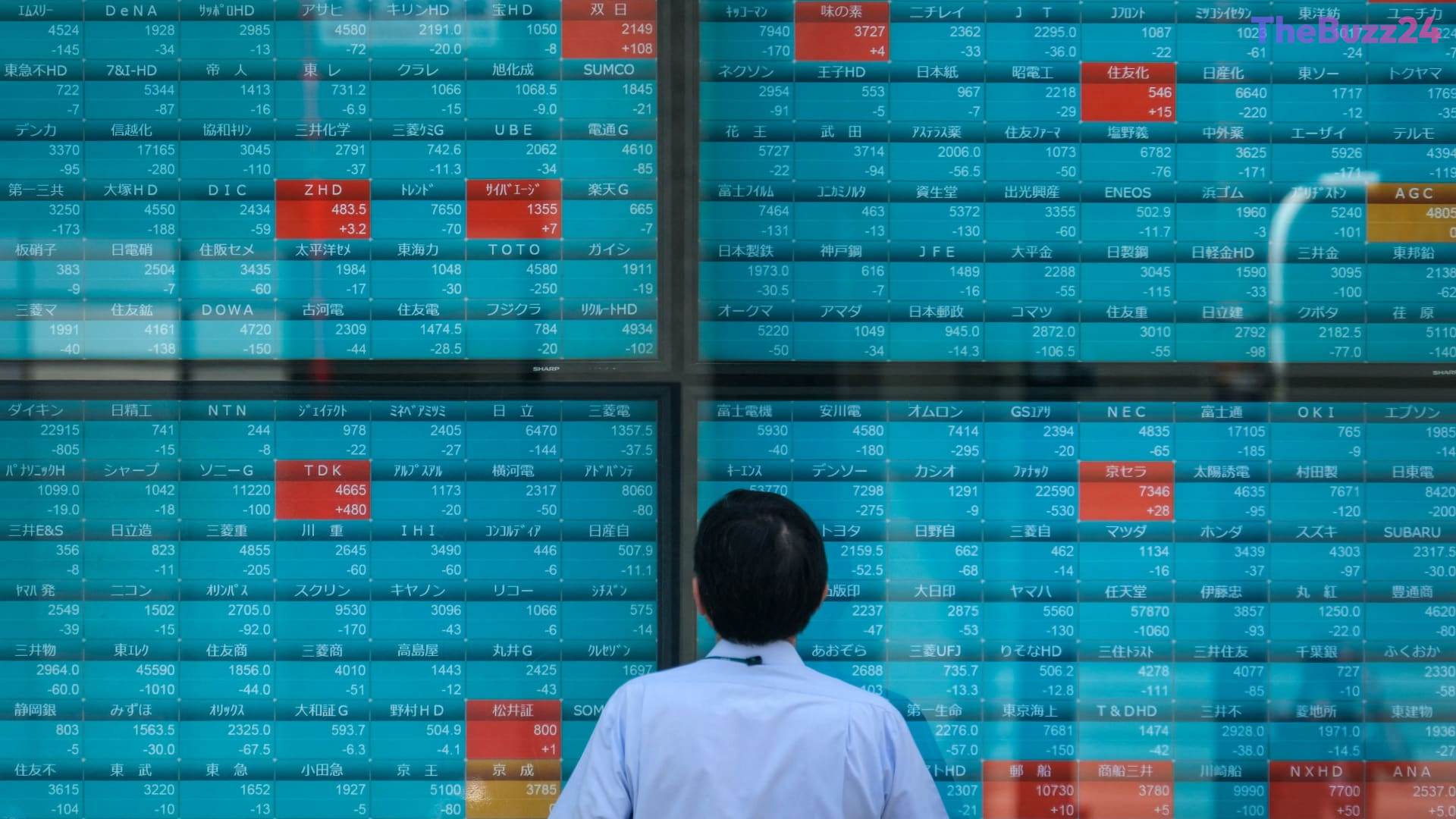
Equity markets across Asia bore the brunt of the geopolitical uncertainty. South Korea’s Kospi index suffered the most severe impact, retreating by more than 3%. Similar downward trends were observed in Japan’s Nikkei 225 and Australia’s S&P/ASX 200, while Hong Kong’s Hang Seng index shed over 2% of its value. Despite the regional volatility, U.S. stock futures have maintained a degree of stability, with investors adopting a cautious ‘wait and see’ approach as the situation continues to evolve.
Key Takeaways
- Geopolitical instability in the Middle East has triggered a sharp downturn in Asia-Pacific stock markets.
- Oil prices surged by over 3% due to fears regarding potential supply chain disruptions in the Strait of Hormuz.
- While Asian indices saw significant losses, U.S. stock futures have remained relatively stable as the situation develops.
Editor’s Analysis & Impact
The recent escalation in the Middle East serves as a stark reminder of the fragility of global supply chains, particularly regarding energy transit through the Strait of Hormuz. The immediate spike in oil prices reflects a market pricing in a ‘risk premium’ associated with potential blockades or infrastructure damage. If the conflict persists or expands, we can expect sustained inflationary pressure on energy costs, which may complicate central bank efforts to manage interest rates globally. Investors are currently caught in a tug-of-war between short-term panic-selling and the hope for diplomatic de-escalation. Moving forward, the primary concern for the global economy is whether this volatility remains contained to regional assets or if it triggers a broader, prolonged retreat from risk-on equities as institutional capital seeks the safety of bonds and gold.
Frequently Asked Questions
Q: Why did oil prices rise following the conflict?
A: Oil prices rose due to concerns that military activity in the Strait of Hormuz could disrupt global shipping routes, potentially limiting the supply of crude oil to international markets.
Q: How did Asian markets react to the news?
A: Asian markets experienced a widespread sell-off, with major indices like the Kospi, Nikkei 225, and Hang Seng all recording significant losses as investors reacted to the increased geopolitical risk.
AI Disclosure: This article is based on verified data and official reports. Our Team and AI have cross-referenced every financial detail with primary sources to ensure total accuracy.
More from this Category