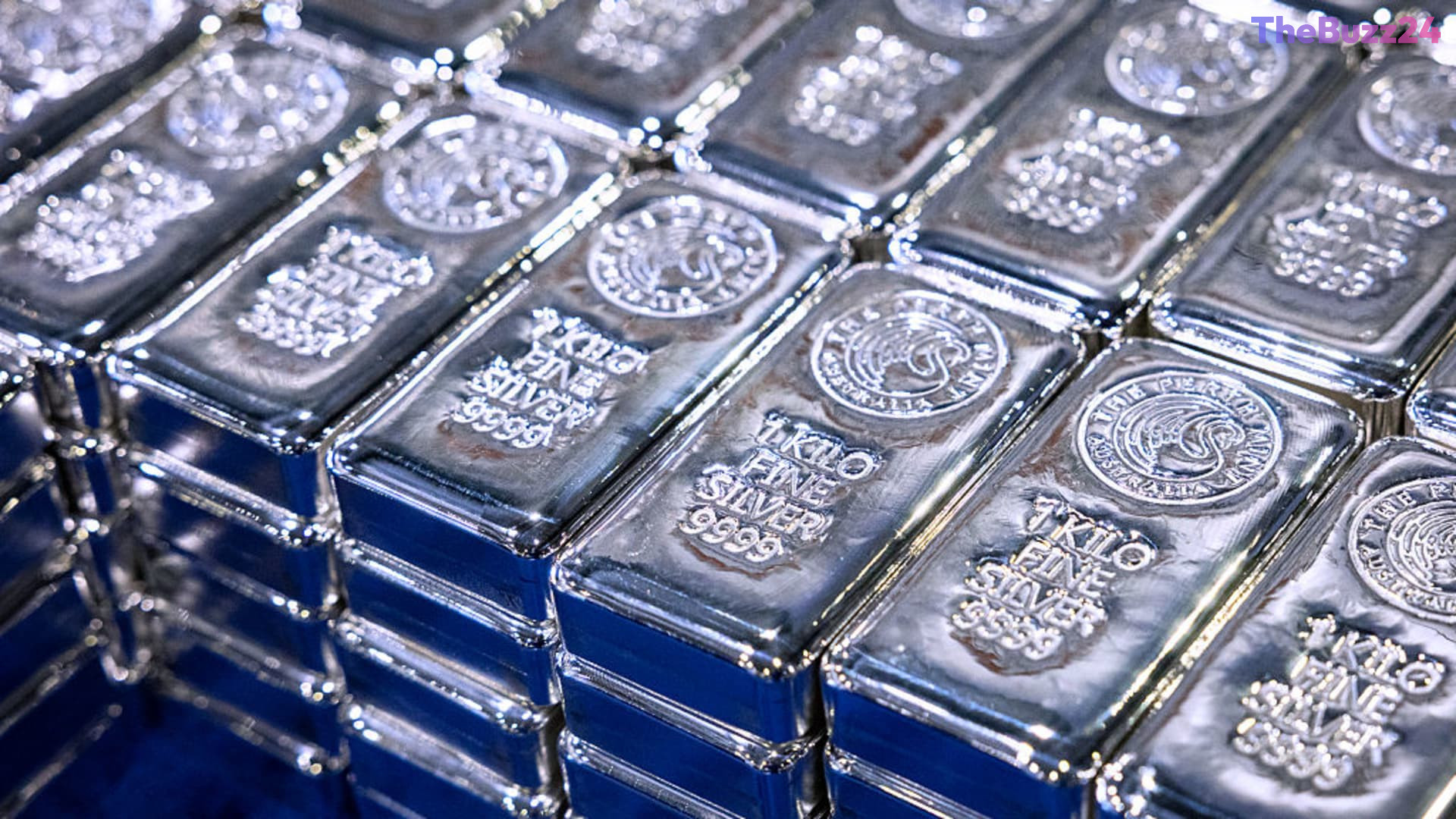
Silver Market Faces Headwinds as Industrial Demand Cools
The silver market is entering a period of turbulence following a massive rally that saw prices surge by over 140%. After such an intense period of growth, the precious metal is hitting significant resistance levels, making it difficult for bulls to sustain the upward trend. This cooling period follows a period of historic gains that has left the market searching for a new equilibrium.
A primary driver of this slowdown is the impact of high prices on industrial consumption. Because silver is a critical component in the manufacturing of solar panels, automotive parts, and various electronic devices, its price is deeply tied to global economic health. Current price levels are beginning to trigger a reduction in orders, as industrial buyers scale back to manage rising input costs, leading to a noticeable erosion in consumption patterns.
This vulnerability is further highlighted by the structural differences between silver and gold. While gold benefits from steady demand via central bank reserves and its role as a strategic asset, silver relies heavily on private investment and industrial utility. This makes silver more susceptible to market swings and economic downturns, as it lacks the same level of institutional support found in the gold market.
Looking forward, the outlook remains cautious. Recent volatility, including sharp single-day price drops, has dampened investor sentiment. With concerns regarding potential overvaluation and a widening gold-to-silver ratio, the metal may face continued pressure unless industrial demand recovers or broader macroeconomic conditions, such as interest rate shifts, provide a more favorable environment for precious metals.
Key Takeaways
- High silver prices are causing industrial sectors like solar and automotive to reduce consumption.
- Silver's reliance on industrial demand and private investment makes it more volatile than gold.
- Analysts warn of potential overvaluation and further price declines as the gold-to-silver ratio shifts.
Editor’s Analysis & Impact
The recent correction in silver prices underscores the delicate balance between its role as a precious metal and its function as an industrial commodity. Unlike gold, which serves as a primary hedge against inflation and a central bank reserve, silver’s price is tethered to the manufacturing sector. The current trend of demand destruction suggests that the market may have reached a ceiling where industrial utility can no longer justify the premium. For investors, this means silver will likely remain highly sensitive to manufacturing indices and global economic growth rates. If the industrial sector continues to contract or faces high input costs, silver could enter a prolonged period of consolidation or further decline, especially if the gold-to-silver ratio continues to expand.
Frequently Asked Questions
Q: Why is silver's price so sensitive to the economy?
A: Silver is widely used in manufacturing, such as in electronics and renewable energy, meaning its demand fluctuates closely with industrial production cycles.
Q: How does silver differ from gold in terms of market stability?
A: Gold is often held by central banks as a stable reserve asset, whereas silver is more dependent on private investors and industrial usage, leading to higher volatility.
AI Disclosure: This article is based on verified data and official reports. Our Team and AI have cross-referenced every financial detail with primary sources to ensure total accuracy.
More from this Category