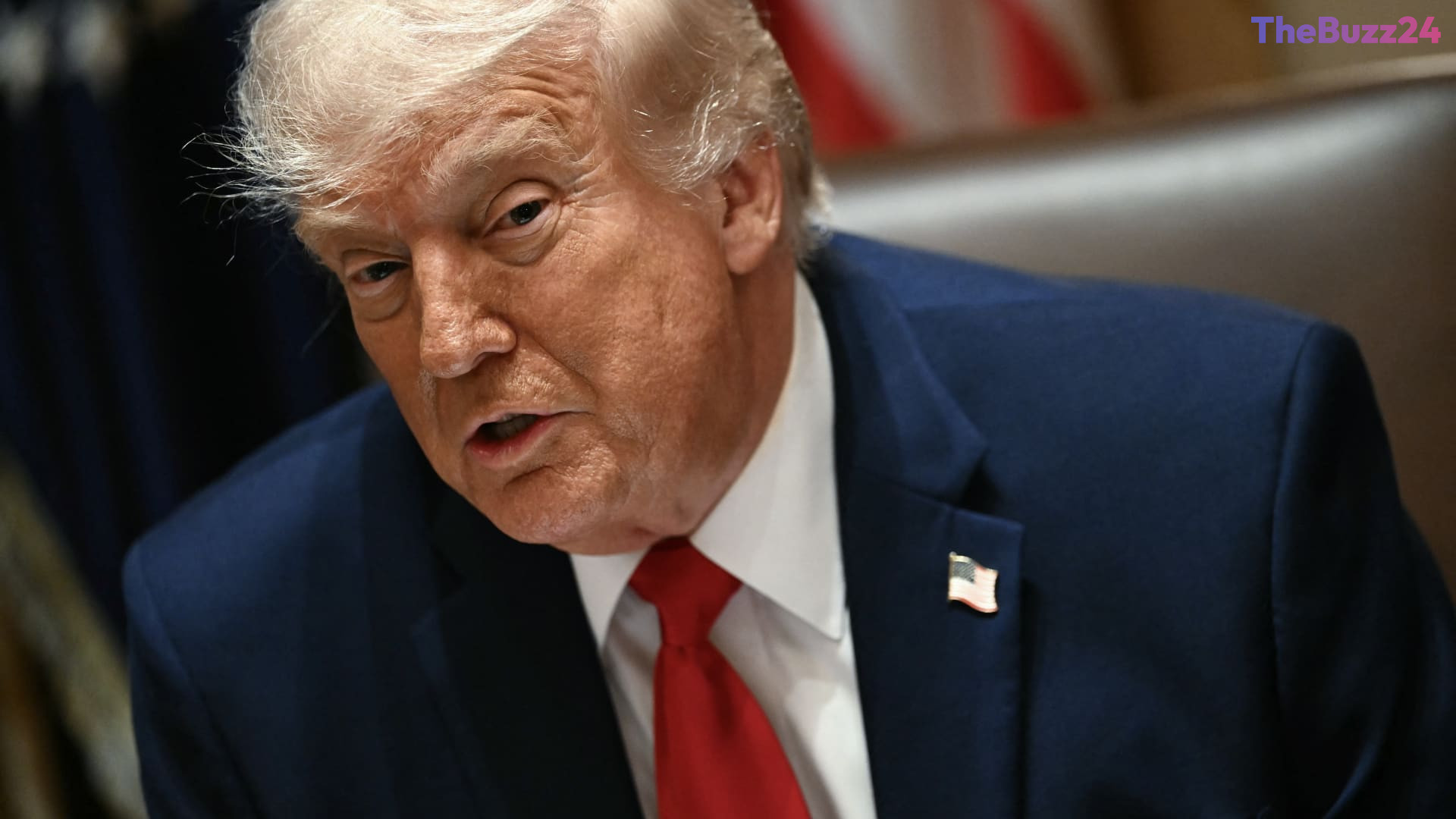
President Trump Sets Non-Negotiable Terms for Potential Iran Peace Accord
President Donald Trump has convened a high-level meeting in the Situation Room to finalize the administration’s stance on a potential peace agreement with Iran. The proposed framework hinges on several strict conditions, most notably a formal renunciation of nuclear weapons development and a guarantee that the Strait of Hormuz will remain open for unrestricted, toll-free international maritime traffic.
As part of the proposed terms, the administration is demanding the destruction of enriched nuclear materials currently stored at various sites, a process intended to be monitored by the International Atomic Energy Agency. While the U.S. has signaled a willingness to lift the current naval blockade in the Gulf of Oman, officials have clarified that no financial concessions or asset releases will be part of the initial negotiations. The administration is currently reviewing a 60-day memorandum of understanding designed to solidify the existing ceasefire and create a roadmap for future diplomatic engagement.
Despite these efforts, the diplomatic path remains fraught with friction. Iranian officials have publicly disputed the administration’s description of the deal, specifically rejecting the demands regarding toll-free shipping and the destruction of nuclear materials. Instead, Tehran continues to insist that the release of frozen assets is a mandatory prerequisite for any meaningful progress.
Regional instability persists as the Pentagon monitors ongoing military activity, including Iranian drone deployments and ballistic missile movements near Kuwait. While the U.S. maintains its strategy of economic pressure through sanctions, Iranian leadership has signaled a continued focus on military readiness, casting doubt on the immediate viability of a diplomatic breakthrough.
Key Takeaways
- The U.S. is demanding Iran renounce nuclear weapons and guarantee toll-free access to the Strait of Hormuz as part of a new peace framework.
- The administration has explicitly ruled out financial exchanges or the release of frozen assets during the initial 60-day negotiation period.
- Iranian officials have rejected several of the U.S. conditions, creating a significant diplomatic impasse despite ongoing ceasefire efforts.
Editor’s Analysis & Impact
The current diplomatic standoff between the U.S. and Iran highlights the extreme difficulty of reconciling long-standing security demands with domestic political pressures in both nations. By conditioning the lifting of naval blockades on the destruction of nuclear materials without offering financial incentives, the administration is adopting a ‘maximum pressure’ approach that leaves little room for immediate compromise. The market impact of this tension is significant, as the Strait of Hormuz remains a critical chokepoint for global energy supplies. Any escalation in military activity or a total collapse of these talks could lead to immediate volatility in global oil prices. Looking ahead, the success of this 60-day memorandum will likely depend on whether either side is willing to move beyond public posturing and address the core issue of frozen assets, which remains the primary obstacle to a sustainable de-escalation.
Frequently Asked Questions
Q: What are the primary conditions set by the U.S. for a deal with Iran?
A: The U.S. is demanding that Iran formally renounce nuclear weapons, destroy existing enriched nuclear materials under international supervision, and guarantee toll-free shipping access through the Strait of Hormuz.
Q: Why is there a disagreement regarding the current state of negotiations?
A: Iranian officials claim that the conditions mentioned by the U.S. administration, particularly regarding toll-free shipping and nuclear material destruction, are not part of the current draft text and are instead demanding the release of frozen assets.
AI Disclosure: This article is based on verified data and official reports. Our Team and AI have cross-referenced every financial detail with primary sources to ensure total accuracy.
More from this Category