Federal Reserve Governor Bowman Advocates for Measured Monetary Policy Amid Energy Price Fluctuations
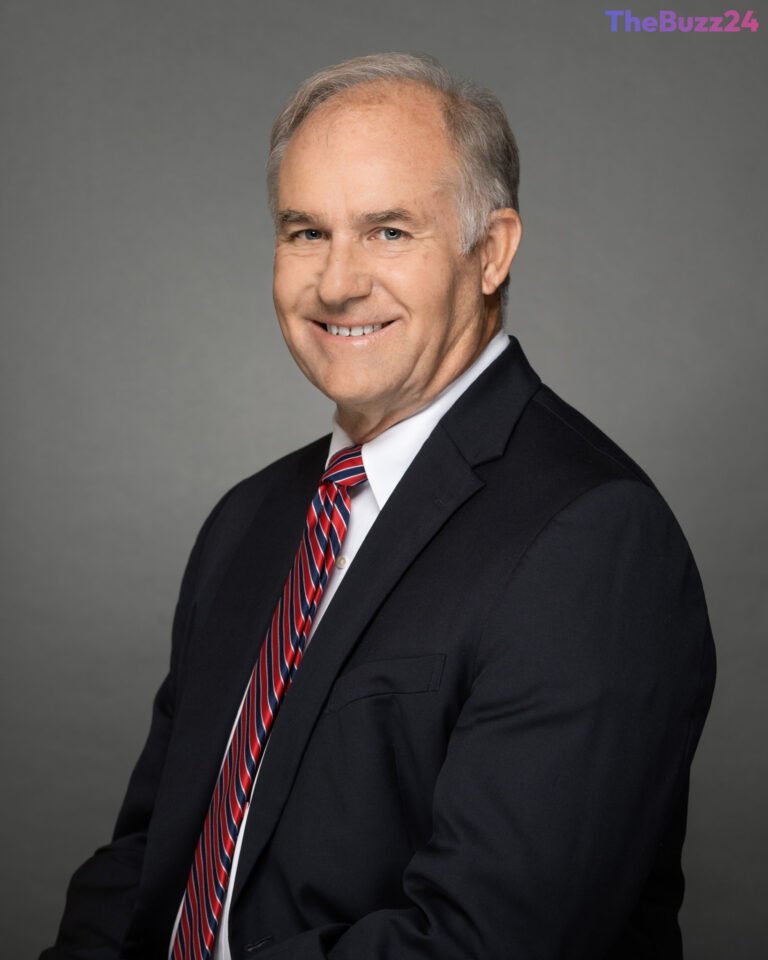
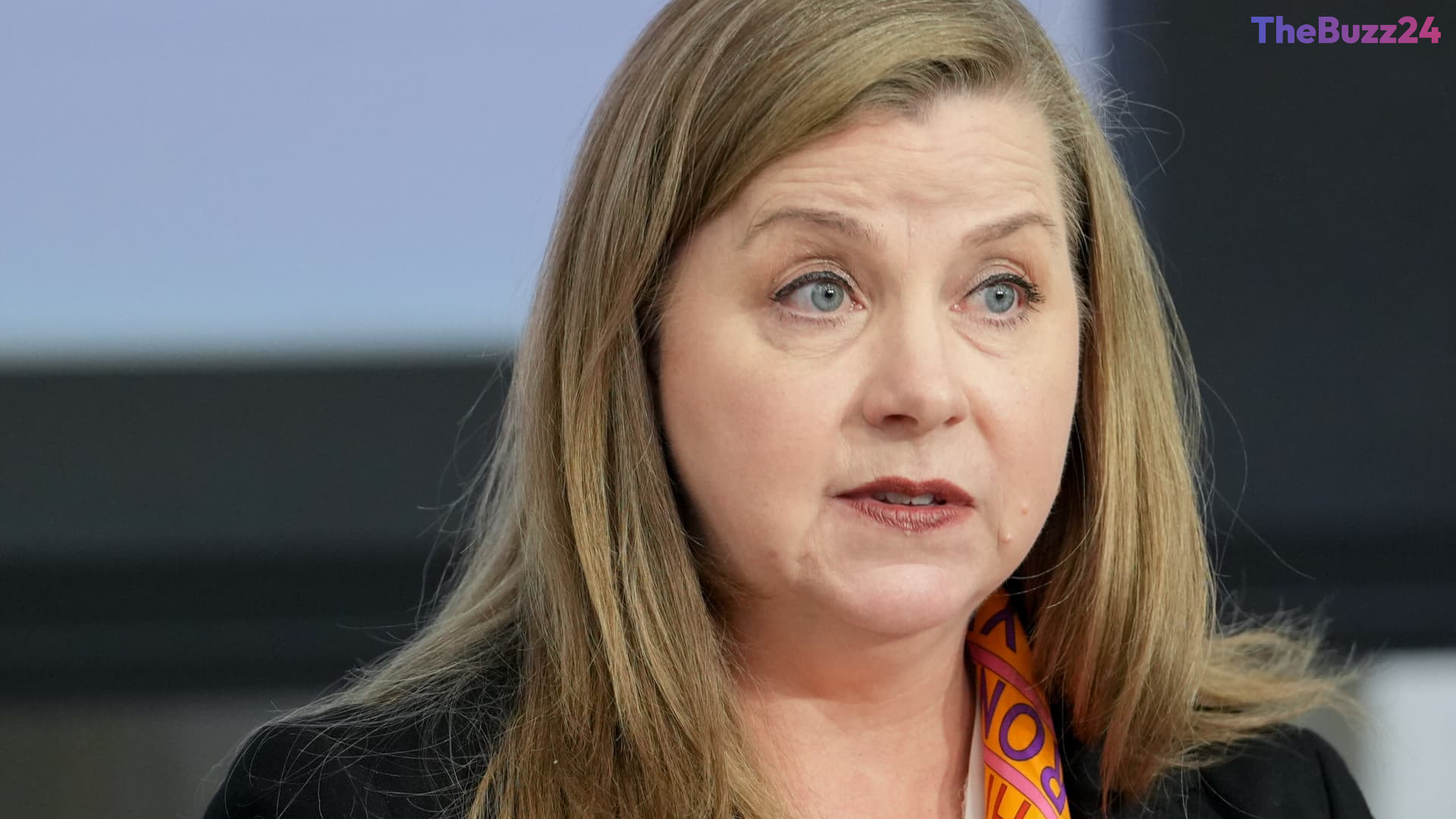
Federal Reserve Governor Michelle Bowman has expressed a preference for a cautious monetary policy stance, cautioning against aggressive interest rate hikes triggered by transient volatility in energy markets. During a recent industry conference in Iceland, Bowman highlighted that reacting too sharply to energy-driven price spikes could inadvertently harm the labor market and place undue pressure on the broader economy without successfully addressing the root causes of inflation.
Although the Federal Reserve remains committed to its 2% inflation target, current economic indicators show that price levels are still above this threshold. Data from the Commerce Department recently placed the personal consumption expenditures price index at 3.8% for April. However, Bowman suggested that headline figures might be misleading. By utilizing alternative metrics like the Dallas Fed’s “trimmed mean” index, she argued that underlying inflationary pressures may be more contained than they appear, justifying a more patient approach to policy adjustments.
Looking toward the future, the central bank’s strategy remains flexible and highly dependent on global geopolitical developments, particularly the ongoing tensions involving Iran. Bowman noted that while she currently supports existing forward guidance that keeps the possibility of rate cuts on the table, she is prepared to reassess the situation if geopolitical instability leads to persistent, long-term inflationary risks. This measured outlook reflects a broader debate within the Federal Open Market Committee regarding the appropriate timing and necessity of future interest rate shifts.
Key Takeaways
- Governor Bowman warns that raising interest rates to combat temporary energy price spikes could unnecessarily damage the labor market.
- Alternative inflation metrics, such as the Dallas Fed’s 'trimmed mean' index, suggest underlying inflation may be closer to target levels than headline data indicates.
- Future Federal Reserve policy remains contingent on geopolitical stability, with officials keeping options open for potential rate cuts.
Editor’s Analysis & Impact
Governor Bowman’s recent comments underscore the delicate balancing act currently facing the Federal Reserve. By emphasizing the distinction between headline inflation and underlying trends, she is signaling a shift toward a more data-dependent, nuanced approach that avoids reactionary policy. This stance is critical for market stability, as it suggests the central bank is wary of over-tightening in an environment already sensitive to geopolitical shocks. The broader implication is that the Fed is prioritizing long-term economic health over short-term volatility management. Investors should anticipate a period of ‘wait-and-see’ policy, where the committee remains highly reactive to external global events. If geopolitical tensions subside, the path toward potential rate cuts remains viable, but any escalation in global conflict will likely force the Fed to maintain a restrictive stance for longer than previously anticipated.
Frequently Asked Questions
Q: Why does Governor Bowman advise against raising rates due to energy price spikes?
A: She argues that energy-driven inflation is often temporary and that aggressive rate hikes in response could unnecessarily strain the labor market and the broader economy without effectively curbing long-term inflation.
Q: What is the 'trimmed mean' index, and why is it significant?
A: The Dallas Fed’s 'trimmed mean' index is an alternative metric that removes extreme price fluctuations to provide a clearer picture of underlying inflation trends, which Bowman believes may be more accurate than headline inflation numbers.
AI Disclosure: This article is based on verified data and official reports. Our Team and AI have cross-referenced every financial detail with primary sources to ensure total accuracy.
More from this Category