Berkshire Hathaway Faces Performance Gap as AI Rally Reshapes Market Dynamics
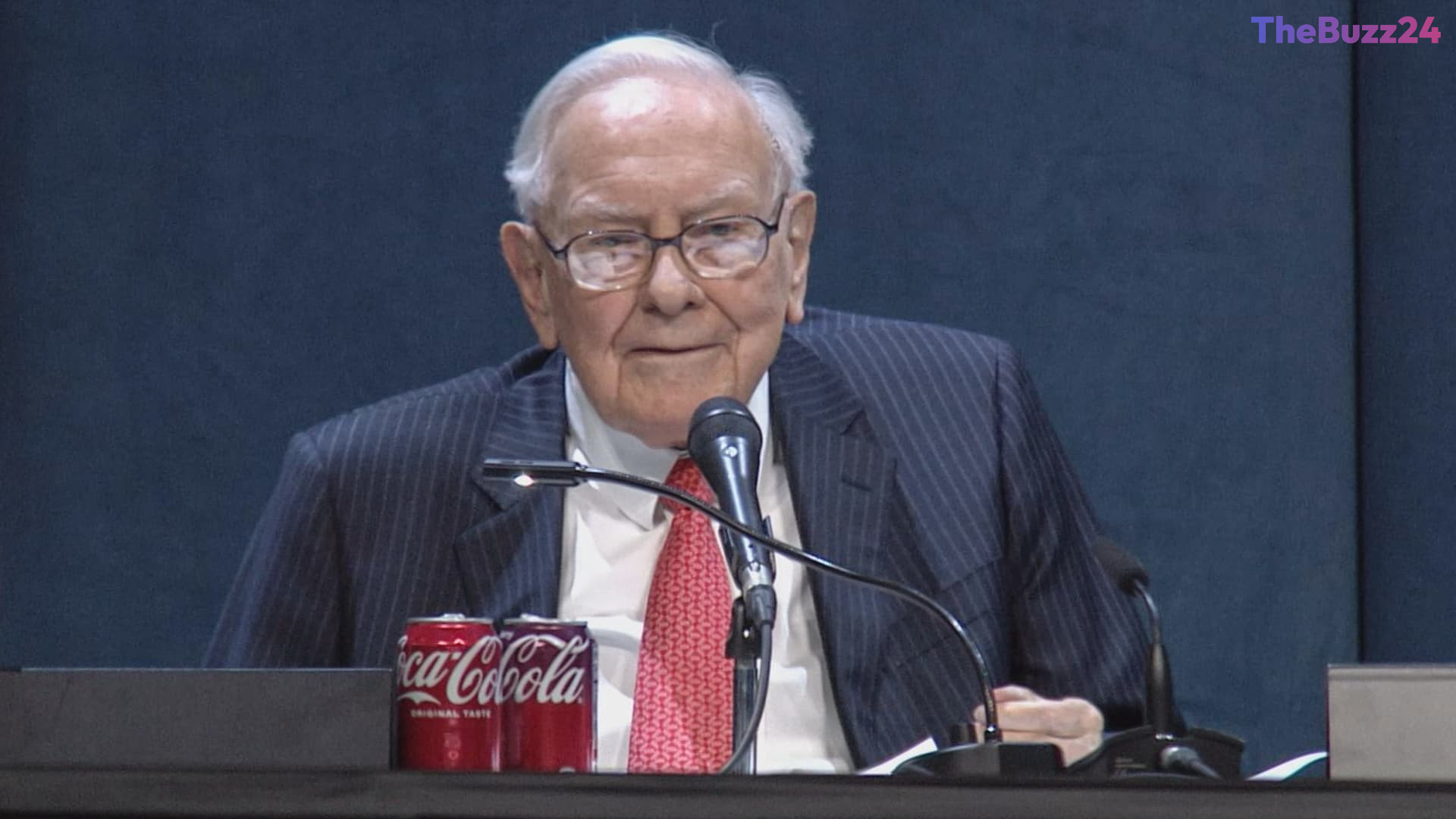
Berkshire Hathaway is currently experiencing its most significant performance lag against the S&P 500 in 2026. While the broader market has surged to record highs, fueled by intense investor enthusiasm for artificial intelligence and related technology sectors, the conglomerate’s B shares have struggled to keep pace. As of late May, Berkshire trails the S&P 500 by 16.3 percentage points year-to-date, a stark contrast to the marginal lead the firm maintained at the end of the first quarter.
This divergence highlights the growing tension between Berkshire’s traditional, cash-heavy investment philosophy and the high-growth volatility currently dominating the tech landscape. With cash reserves nearing $400 billion and a portfolio heavily weighted toward mature, stable operating businesses, the company has remained largely insulated from the speculative fervor driving the current market cycle. Consequently, Berkshire’s stock has seen a 12% decline from its May 2025 peak, even as the wider market continues its upward momentum.
Under the leadership of CEO Greg Abel, there are clear signs of a strategic evolution. Departing from the long-standing investment approach established by Warren Buffett, Berkshire significantly expanded its position in Alphabet during the first quarter, making it the fifth-largest equity holding in its portfolio. This move comes as the performance ratio between Berkshire and the S&P 500 reaches its lowest point since 2007, forcing investors to re-evaluate the conglomerate’s status as a traditional market bellwether.
Meanwhile, Berkshire’s subsidiary, BNSF, continues to navigate a complex regulatory environment. The company is actively opposing the proposed $85 billion merger between Union Pacific and Norfolk Southern, joining a coalition of labor unions and customers to challenge the deal. As the U.S. Surface Transportation Board pauses its review due to competition concerns, BNSF is focusing on internal efforts to enhance its own coast-to-coast logistics efficiency.
Key Takeaways
- Berkshire Hathaway is trailing the S&P 500 by 16.3 percentage points in 2026, marking its largest performance gap in years.
- The company's conservative, cash-rich strategy has left it underperforming during the current AI-driven market rally.
- CEO Greg Abel is signaling a strategic shift, evidenced by a significant increase in Berkshire's stake in Alphabet.
Editor’s Analysis & Impact
The widening performance gap between Berkshire Hathaway and the S&P 500 serves as a critical litmus test for the current market cycle. Berkshire’s massive cash pile, once viewed as a strategic advantage for opportunistic acquisitions, is currently acting as a drag on returns in an environment where capital is aggressively chasing AI-related growth. The shift toward Alphabet suggests that leadership recognizes the need to adapt to a digital-first economy, yet the company remains fundamentally tethered to ‘old economy’ industrial assets like BNSF. The future outlook for Berkshire depends on whether the AI rally sustains its momentum or corrects; if the latter occurs, Berkshire’s defensive posture could quickly transition from a liability to a significant competitive advantage. Investors should watch for further diversification into tech-adjacent sectors as the company attempts to reconcile its traditional value-investing roots with modern market realities.
Frequently Asked Questions
Q: Why is Berkshire Hathaway underperforming the S&P 500?
A: Berkshire's conservative investment strategy and large cash reserves have caused it to miss out on the massive gains seen in AI-driven technology stocks that are currently fueling the S&P 500.
Q: Is Berkshire Hathaway changing its investment strategy?
A: Yes, under CEO Greg Abel, the company has shown a willingness to pivot, most notably by increasing its stake in Alphabet, which is now one of its largest equity holdings.
AI Disclosure: This article is based on verified data and official reports. Our Team and AI have cross-referenced every financial detail with primary sources to ensure total accuracy.
More from this Category