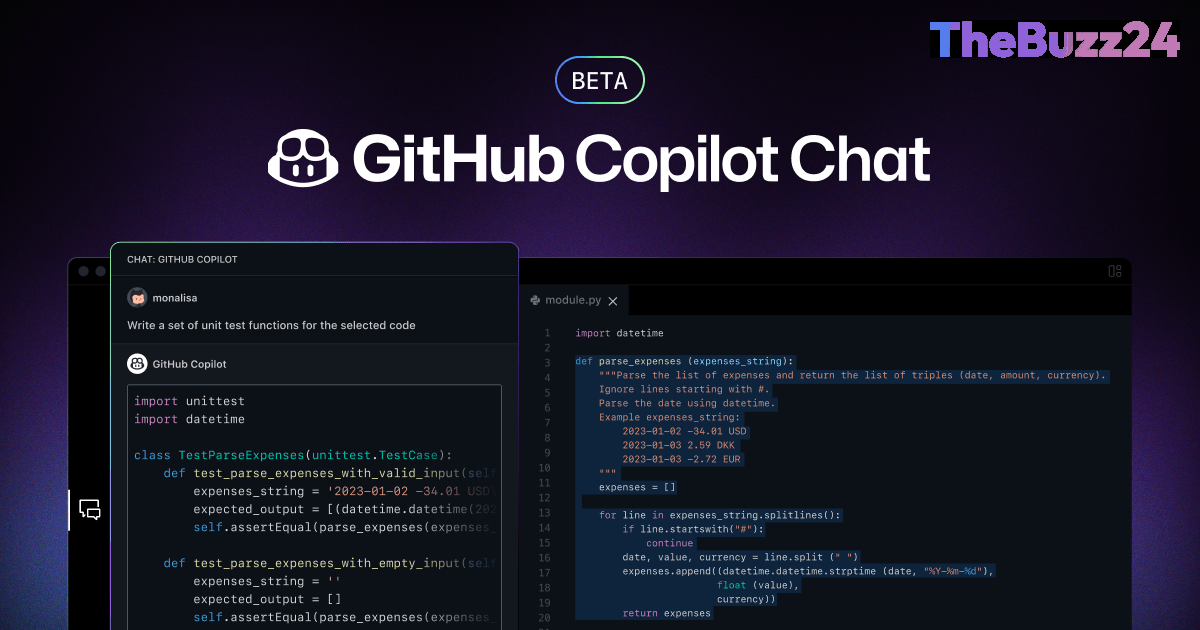
GitHub Copilot Shifts to Token-Based Billing, Triggering Developer Concerns
GitHub Copilot is set to undergo a significant transformation in its financial structure, pivoting from its long-standing flat-rate subscription model to a usage-based, token-centric billing system. Effective June 1, the platform will transition to charging users based on their specific token consumption, marking a departure from the predictable monthly fees that have defined the service since its inception. The company maintains that this adjustment is essential to better align operational costs with individual user activity.
However, the announcement has been met with widespread apprehension within the developer community. Individual programmers and smaller software development firms have expressed concerns regarding the potential for unpredictable and inflated monthly expenses. Preliminary estimates from heavy users suggest that costs could escalate significantly, potentially rising from a fixed monthly rate to hundreds or even thousands of dollars depending on the volume of code generated. This uncertainty has prompted many to reevaluate their reliance on the tool, with some developers openly discussing the possibility of canceling their subscriptions to mitigate financial risk.
Proponents of the new model argue that the previous flat-rate structure was economically unsustainable, as it likely relied on subsidies to accommodate high-volume users. Supporters suggest that the anticipated price hikes are largely a reflection of inefficient usage patterns and that the tool remains a viable asset when used as a targeted assistant rather than a primary code generator. Ultimately, this shift highlights the growing tension between the massive computational expenses required to sustain large-scale artificial intelligence and the budgetary constraints faced by software professionals.
Key Takeaways
- GitHub Copilot is transitioning from a flat-rate subscription to a token-based billing model starting June 1.
- The change has sparked significant backlash from developers who fear unpredictable and substantially higher monthly costs.
- The move reflects the broader industry challenge of balancing the high operational costs of AI inference with user affordability.
Editor’s Analysis & Impact
The transition to token-based billing for AI-powered coding assistants marks a pivotal moment in the monetization of generative AI. For years, providers have subsidized high inference costs to capture market share and drive adoption. As these services reach maturity, the shift to usage-based pricing is a necessary step toward long-term profitability. However, this move risks alienating the core user base that established the tool’s market dominance. The industry now faces a ‘utility-pricing’ dilemma: if AI tools become prohibitively expensive for daily workflows, developers may revert to traditional coding methods or migrate to open-source alternatives with more predictable cost structures. The future success of these platforms will depend on whether they can implement transparent cost-management tools to prevent ‘bill shock’ while maintaining a clear value proposition for professional developers.
Frequently Asked Questions
Q: When does the new token-based billing system take effect?
A: The new pricing model is scheduled to go into effect on June 1.
Q: Why is GitHub Copilot changing its pricing model?
A: The change is intended to align costs with actual usage, as the previous flat-rate model was likely unsustainable given the high computational costs required to run AI-powered code generation.
AI Disclosure: This article is based on verified data and official reports. Our Team and AI have cross-referenced every financial detail with primary sources to ensure total accuracy.
More from this Category