Supreme Court Greenlights Disputed Alabama Voting Map, Impacting Black Representation
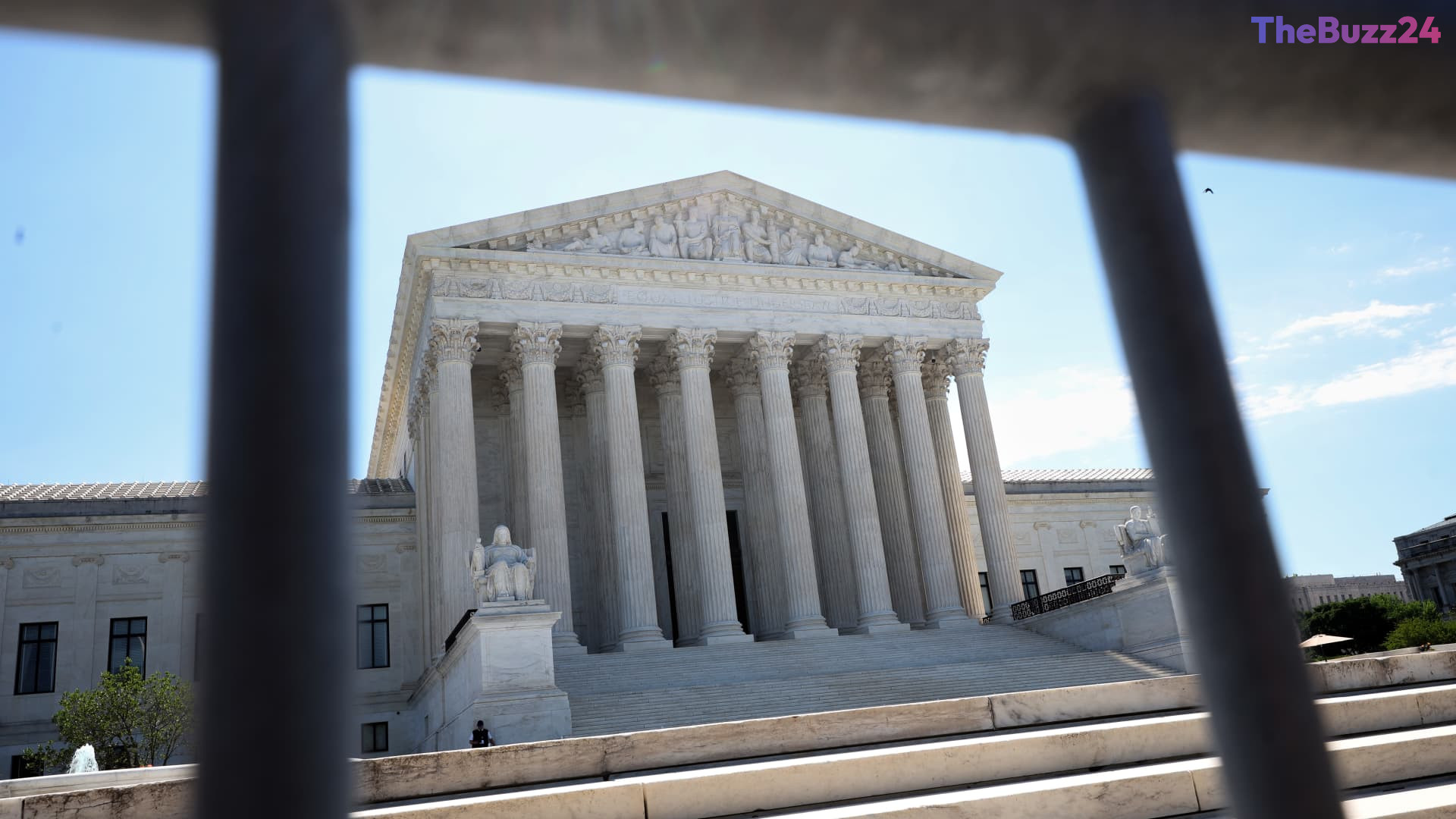
The United States Supreme Court has issued a 6-3 ruling allowing Alabama to proceed with a controversial congressional redistricting map for the upcoming elections. This decision comes despite a lower federal court’s previous determination that the map was racially discriminatory. By permitting the use of this map, the high court effectively removes one of the state’s two majority-Black districts, a move that is expected to have significant implications for the balance of power in the House of Representatives.
The conservative majority’s unsigned opinion suggests that the state is likely to succeed in its legal defense of the map. The ruling emphasizes a “presumption of good faith” regarding the Alabama legislature’s actions, countering the lower court’s finding of discriminatory intent. This intervention allows the state to move forward with the 2023 map while the broader legal battle continues to play out in the judicial system, effectively pausing the injunction that had blocked the map’s use.
In a sharp dissent, Justice Sonia Sotomayor, joined by Justices Elena Kagan and Ketanji Brown Jackson, criticized the decision as a disregard for democratic values and the rule of law. Sotomayor argued that the court chose a path of “chaotic election” over an established map that protected the voting rights of Black Alabamians. The dissent highlighted that the new map requires massive voter registration changes for hundreds of thousands of citizens in a very short timeframe, which could lead to significant confusion at the polls.
The political fallout is expected to be immediate, with the 2nd District seat—currently held by Democrat Shomari Figures—now widely anticipated to flip to Republican control. This shift comes as both major parties engage in aggressive redistricting efforts across various states to secure or expand their narrow margins in Congress. Civil rights organizations, including the NAACP, have expressed outrage, characterizing the ruling as a setback for minority voting power and a disruption of the democratic process.
Key Takeaways
- The Supreme Court's 6-3 decision allows Alabama to use a congressional map previously flagged by a lower court as discriminatory.
- The ruling is expected to eliminate one majority-Black district, likely resulting in a seat gain for Republicans in the House of Representatives.
- Liberal justices issued a stern dissent, warning that the decision undermines voting protections and creates administrative chaos for election officials.
Editor’s Analysis & Impact
This ruling underscores the Supreme Court’s shifting stance on the Voting Rights Act and the criteria for identifying racial gerrymandering. By applying a ‘presumption of good faith’ to state legislatures, the conservative majority is raising the bar for plaintiffs seeking to prove discriminatory intent in redistricting cases. This trend suggests a broader judicial philosophy that favors state-led map-drawing over federal court intervention. The immediate impact is a likely shift in the House of Representatives’ composition, but the long-term consequence may be a significant weakening of minority voting protections. As more states look to this precedent, we can expect a surge in aggressive redistricting strategies ahead of future election cycles, potentially leading to a more polarized and less representative electoral landscape.
Frequently Asked Questions
Q: Why was the Alabama map initially blocked?
A: A lower federal court panel found that the 2023 map intentionally discriminated against Black voters by diluting their collective voting power into fewer districts.
Q: What is the immediate political impact of this ruling?
A: It is expected to result in Republicans gaining a House seat in Alabama's 2nd District, which is currently held by a Democrat, potentially strengthening the GOP's slim majority.
Q: What was the core argument of the dissenting justices?
A: The dissenting justices argued that the majority ignored evidence of discrimination and chose a path that creates election chaos and disenfranchises Black voters.
AI Disclosure: This article is based on verified data and official reports. Our Team and AI have cross-referenced every financial detail with primary sources to ensure total accuracy.
More from this Category