Xi Jinping Embarks on Rare North Korea Visit Amid Shifting Geopolitical Tides
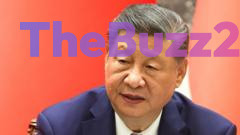
Chinese President Xi Jinping is set to make a significant, albeit rare, visit to North Korea, marking his first trip to the isolated nation in nearly seven years. Scheduled for June 8-9, the visit comes at the invitation of North Korean leader Kim Jong Un, underscoring the enduring, though complex, relationship between the two countries.
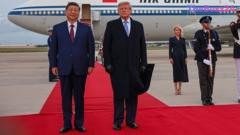
This high-level engagement occurs in a period of heightened geopolitical activity for Beijing, following recent meetings between Xi and both U.S. President Donald Trump and Russian President Vladimir Putin. North Korea, a long-standing ally of China, relies heavily on Beijing for economic and political support, particularly as it navigates extensive international sanctions stemming from its nuclear program and human rights record. The visit also takes place against a backdrop of increasing alignment between North Korea and Russia, a development that Beijing is reportedly observing with caution.
The strategic importance of this visit is amplified by the 65th anniversary of the defense treaty between China and North Korea, a pact that mandates mutual support in case of attack. This treaty, unique in China’s international agreements, highlights the deep historical ties and shared security interests. For Kim Jong Un, Xi’s presence offers a substantial propaganda victory, bolstering his international standing and showcasing his regime’s resilience amidst global challenges and its defiance of U.S. pressure.
North Korea is expected to leverage this visit to seek increased economic cooperation, potentially through expanded trade along their shared border and a boost in tourism to its newly developed facilities. Meanwhile, Seoul is hopeful that Xi might act as a mediator, encouraging Pyongyang to re-engage in dialogue with both South Korea and the United States. This comes after Kim Jong Un declared an end to reunification efforts and severed communication channels with the South, a stance recently highlighted by the frosty reception of a North Korean football team in Seoul.
Key Takeaways
- Chinese President Xi Jinping will visit North Korea on June 8-9, his first trip in seven years.
- The visit highlights the strategic alliance between China and North Korea, especially with the 65th anniversary of their defense treaty.
- North Korea is expected to seek economic benefits from the visit, while Seoul hopes for renewed dialogue with Pyongyang.
Editor’s Analysis & Impact
Xi Jinping’s rare visit to North Korea signals a complex geopolitical maneuver, balancing China’s traditional alliance with Pyongyang against its broader international relations, particularly with the U.S. and Russia. The visit underscores North Korea’s strategic importance to Beijing, especially in light of the escalating Russia-North Korea ties and the ongoing nuclear standoff. For Kim Jong Un, this is a crucial opportunity to solidify his regime’s international standing and extract economic concessions. The implications for regional stability are significant, as Seoul and Washington will be closely watching for any shifts in inter-Korean relations and the potential for renewed denuclearization talks, though Pyongyang’s firm stance on its nuclear capabilities suggests limited immediate progress on that front.
Frequently Asked Questions
Q: Why is Xi Jinping's visit to North Korea considered rare?
A: Xi Jinping's visit is rare because it is his first trip to North Korea in nearly seven years, indicating a significant diplomatic event given the usual infrequency of such high-level exchanges between the two nations.
Q: What is the significance of the defense treaty between China and North Korea?
A: The defense treaty, celebrating its 65th anniversary, mandates mutual support if either country is attacked. It is the only defense pact China has with any nation, underscoring the deep historical and security ties between Beijing and Pyongyang.
Q: What does South Korea hope to achieve from this visit?
A: South Korea hopes that President Xi will use his influence to mediate and encourage North Korea to resume dialogue with both Seoul and Washington, particularly concerning denuclearization efforts and inter-Korean relations.
AI Disclosure: This article is based on verified data and official reports. Our Team and AI have cross-referenced every financial detail with primary sources to ensure total accuracy.
More from this Category