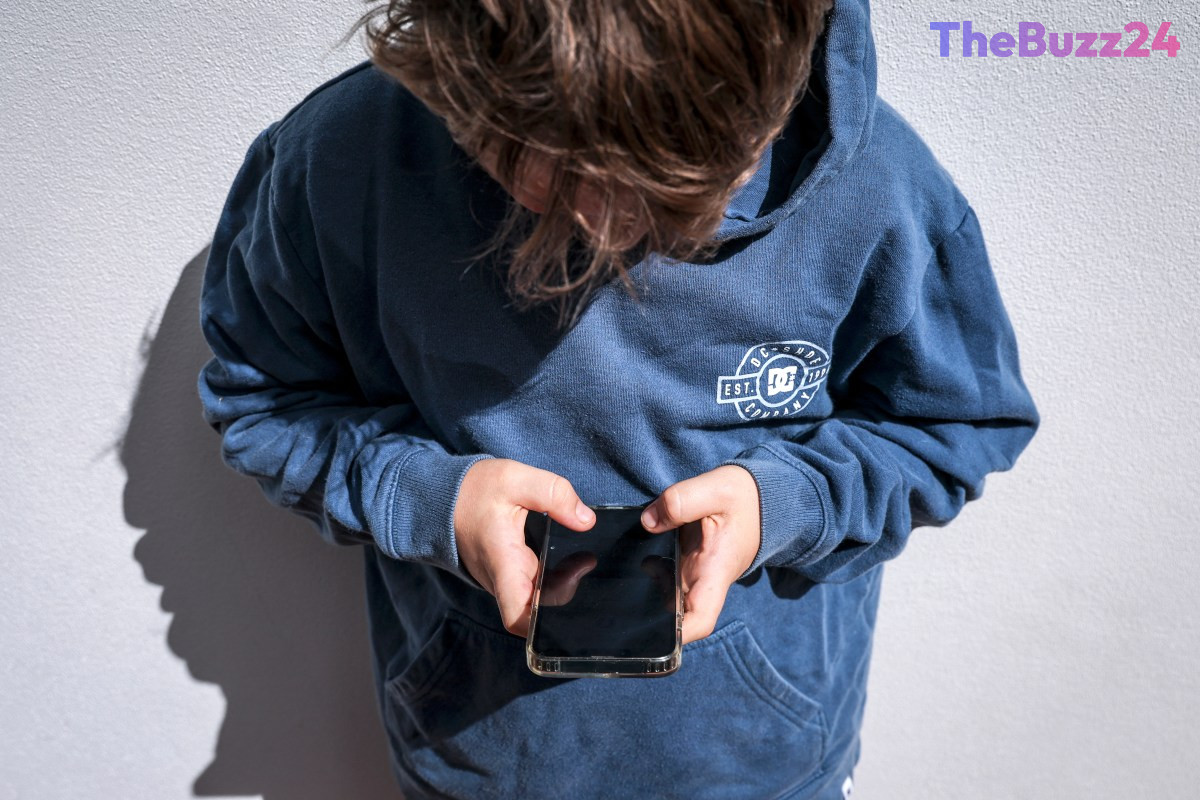
The Global Movement to Restrict Social Media Access for Minors
A growing number of nations are implementing or drafting legislation to restrict social media access for children and teenagers, signaling a significant shift in how governments approach digital safety. Australia led this global trend in late 2025 by becoming the first country to enforce a ban on social media for users under 16, setting a precedent that has prompted other countries to evaluate similar protective measures. These initiatives are primarily driven by concerns over cyberbullying, platform addiction, mental health decline, and the exposure of minors to online predators.
While the specific age thresholds and implementation strategies vary by country, the common goal is to hold technology companies accountable for the digital environments they create. For instance, Australia’s regulations impose substantial financial penalties on platforms that fail to implement robust age verification systems. Similar legislative efforts are currently underway in countries including Canada, Denmark, France, Greece, Indonesia, Malaysia, Poland, Slovenia, Spain, and Turkey, with many governments targeting age limits between 14 and 16 years old.
Despite the momentum behind these bans, the policy approach remains controversial. Privacy advocates and civil society organizations have raised concerns regarding the invasiveness of mandatory age verification tools and the potential for excessive government overreach. Critics argue that outright bans may prove ineffective at curbing the underlying issues and fail to address the digital realities of younger generations. Nevertheless, as governments continue to prioritize the well-being of youth, the pressure on social media giants to redesign their platforms and enforce stricter access controls is expected to intensify globally.
Key Takeaways
- Australia has established a global precedent by enforcing a social media ban for children under 16, with significant financial penalties for non-compliant platforms.
- Numerous countries, including Canada, France, and Indonesia, are actively drafting or passing legislation to restrict social media access for minors to combat mental health issues and addiction.
- The movement faces significant criticism from privacy advocates who argue that age verification requirements are invasive and that bans may not effectively address the root causes of online harm.
Editor’s Analysis & Impact
The global push to restrict social media for minors represents a pivotal moment in the regulation of Big Tech. For years, platforms have operated with minimal oversight regarding their impact on adolescent development, but the tide is clearly turning toward state-mandated safety. From a market perspective, this creates a complex compliance landscape; social media companies must now invest heavily in sophisticated, privacy-compliant age verification technologies or risk massive fines. The long-term implication is a potential fragmentation of the global digital experience, where platforms may be forced to offer ‘gated’ versions of their services. If these bans prove successful in improving youth mental health metrics, we can expect a domino effect, with more nations adopting similar restrictive frameworks, ultimately forcing a fundamental redesign of how social media platforms monetize and engage younger demographics.
Frequently Asked Questions
Q: Why are countries banning social media for children?
A: Governments are implementing these bans to protect minors from risks such as cyberbullying, platform addiction, mental health issues, and exposure to inappropriate content or predators.
Q: What are the primary criticisms of these social media bans?
A: Critics, including privacy advocates, argue that the bans are difficult to enforce, rely on invasive age verification methods that threaten user privacy, and fail to address the root causes of the problems they aim to solve.
AI Disclosure: This article is based on verified data and official reports. Our Team and AI have cross-referenced every financial detail with primary sources to ensure total accuracy.
More from this Category