Sydney Beach Closed Following Severe Shark Attack
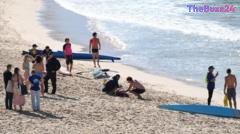
A 35-year-old woman is recovering in the hospital after sustaining serious injuries in a shark attack at a Sydney beach. Bystanders at the scene acted quickly, pulling the victim from the water and administering emergency first aid before professional medical teams arrived. The woman suffered significant injuries to her arms and legs and was subsequently transported to a medical facility via air ambulance.
In response to the incident, local authorities have closed several nearby beaches as a precautionary measure to ensure public safety. Eyewitness accounts described a chaotic scene, noting heavy splashing and blood in the water before a ski paddler intervened to help bring the victim to shore. The area remains under surveillance as officials assess the risk to swimmers.
This incident follows a series of shark-related encounters across Australia, including a fatal attack on a diver near Perth just last week. While shark attacks are statistically more frequent in Australian waters compared to many other regions globally, fatal encounters remain relatively rare. Historical data indicates that since 1791, there have been nearly 1,300 recorded attacks, with approximately 20% resulting in fatalities. Coastal communities continue to utilize various protective measures, such as shark nets and aerial surveillance, to mitigate risks at popular swimming and surfing destinations.
Key Takeaways
- A 35-year-old woman was airlifted to the hospital with serious arm and leg injuries following a shark attack in Sydney.
- Local authorities closed multiple beaches in the vicinity as a safety precaution following the encounter.
- This event is part of a recent string of shark-related incidents in Australia, prompting renewed focus on coastal safety protocols.
Editor’s Analysis & Impact
The recent surge in shark encounters across Australian coastal waters presents a significant challenge for local tourism and emergency management sectors. While shark attacks remain statistically infrequent, the psychological impact on the public and the subsequent closure of popular beaches can have immediate economic consequences for local businesses. From an industry perspective, this trend is likely to accelerate the adoption of advanced shark-detection technologies, such as drone surveillance and sonar-based warning systems. Future policy discussions will likely focus on balancing environmental conservation efforts with the necessity of human safety. As climate patterns shift and marine ecosystems change, authorities must refine their mitigation strategies to maintain public confidence in beach safety without disrupting the delicate ecological balance of these coastal habitats.
Frequently Asked Questions
Q: Are shark attacks common in Australia?
A: While shark attacks occur more frequently in Australia than in many other parts of the world, they are relatively rare, and only a small percentage of these encounters result in fatalities.
Q: What measures are being taken to protect swimmers?
A: Authorities typically implement beach closures, utilize shark nets, and employ aerial surveillance to monitor for shark activity at popular swimming and surfing spots.
AI Disclosure: This article is based on verified data and official reports. Our Team and AI have cross-referenced every financial detail with primary sources to ensure total accuracy.
More from this Category