US and Iran Poised for Landmark Peace Agreement Amid Diplomatic Push
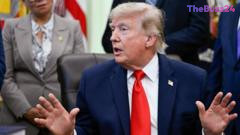
A significant diplomatic breakthrough appears imminent as the United States and Iran move toward finalizing a peace agreement aimed at de-escalating regional tensions. President Donald Trump announced that the deal is scheduled for signing this Sunday, a move expected to restore stability to the Strait of Hormuz, a critical global shipping artery that has been effectively closed during the recent conflict. The agreement is framed as a comprehensive effort to curb nuclear proliferation, with the administration emphasizing that the pact will serve as a definitive barrier against the development of nuclear weaponry.
International mediation efforts, led in part by Pakistan, have been instrumental in reaching this stage. Pakistani Prime Minister Shehbaz Sharif confirmed that preparations for an electronic signing ceremony are underway, signaling that both parties are closer to a resolution than at any point since the conflict intensified in late February. While the US administration has expressed optimism regarding the timeline, Iranian officials have maintained a more cautious stance, suggesting that while a deal is near, the exact date of formalization remains subject to ongoing diplomatic coordination.
The proposed agreement reportedly encompasses several key pillars, including the reopening of the Strait of Hormuz and the lifting of US-imposed blockades on Iranian ports. Furthermore, the deal addresses the broader regional conflict, with reports indicating it includes provisions for ending hostilities between Israel and Hezbollah in Lebanon. While the nuclear component remains a central focus, officials suggest that technical discussions regarding Iran’s nuclear program and the eventual disposal of enriched uranium stockpiles will follow the initial signing, contingent upon Tehran meeting its specified obligations.
Key Takeaways
- The US and Iran are nearing a peace deal that aims to reopen the Strait of Hormuz and de-escalate regional military conflicts.
- The agreement includes provisions to prevent nuclear proliferation, with future technical talks planned to address Iran's nuclear program.
- Pakistan has played a significant role as a mediator, with officials preparing for an electronic signing of the memorandum of understanding.
Editor’s Analysis & Impact
The potential signing of this agreement represents a massive shift in Middle Eastern geopolitics. By addressing both the immediate maritime security crisis in the Strait of Hormuz and the long-standing nuclear standoff, the deal could stabilize global energy markets that have been rattled by recent supply chain disruptions. However, the success of this agreement hinges on the ‘technical level talks’ mentioned by mediators. Historically, the gap between a memorandum of understanding and full compliance on nuclear enrichment is wide. If successful, this could signal a new era of managed competition; if it fails, the ‘ultimate alternative’ mentioned by the US administration suggests a return to high-intensity conflict. Investors should monitor the reopening of shipping lanes as a primary indicator of the deal’s immediate efficacy, while long-term stability remains tied to the verification of nuclear commitments.
Frequently Asked Questions
Q: What is the primary goal of the US-Iran peace deal?
A: The deal aims to end the current conflict, reopen the Strait of Hormuz for international shipping, and establish a framework to prevent Iran from developing nuclear weapons.
Q: What role is Pakistan playing in these negotiations?
A: Pakistan is acting as a key mediator, facilitating communication between the two nations and preparing the infrastructure for the electronic signing of the peace agreement.
AI Disclosure: This article is based on verified data and official reports. Our Team and AI have cross-referenced every financial detail with primary sources to ensure total accuracy.
More from this Category