Stellar Survivors: Unexpected X-Ray Activity Found in Supernova Remnants
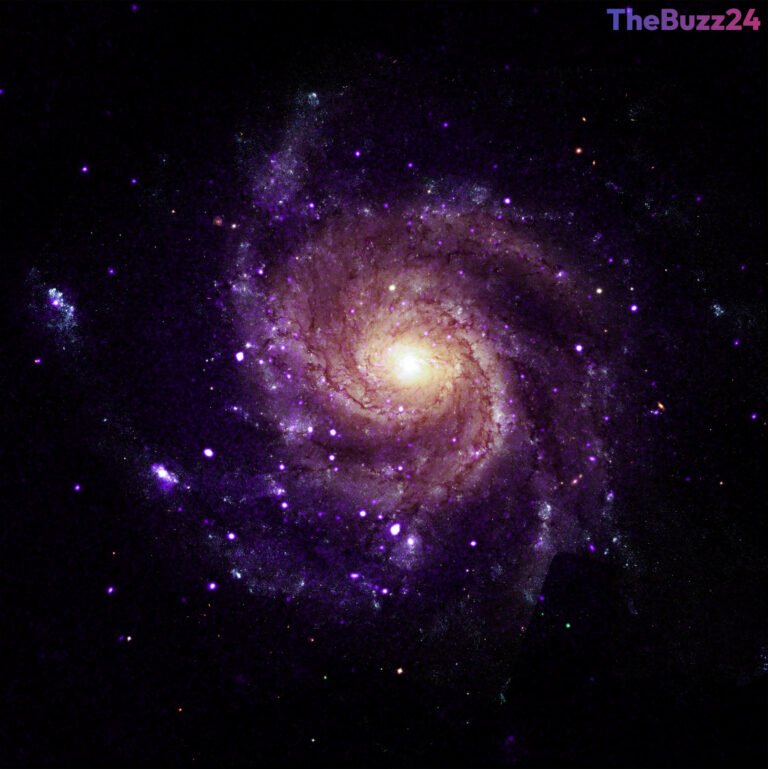
Astronomers analyzing data from the Chandra X-ray Observatory have uncovered a surprising phenomenon within the nearby galaxy Messier 83 (M83). Contrary to the long-held belief that supernova remnants—the debris left behind after a star explodes—gradually fade over time, researchers observed significant and dramatic fluctuations in X-ray brightness across a large portion of these remnants. The study, which spanned 14 years of observations, revealed that nearly half of the 22 identified supernova remnants in the sample exhibited these unexpected changes.
The findings challenge existing models of stellar evolution and the aftermath of supernovae. While one specific remnant, SN 1957D, was found to be flaring due to its collision with surrounding interstellar material, this mechanism could not account for the widespread variability observed in the other sources. The research team suggests that these remnants may actually be home to “stellar survivors”—binary systems where one star exploded into a black hole or neutron star, while its companion star remained intact.
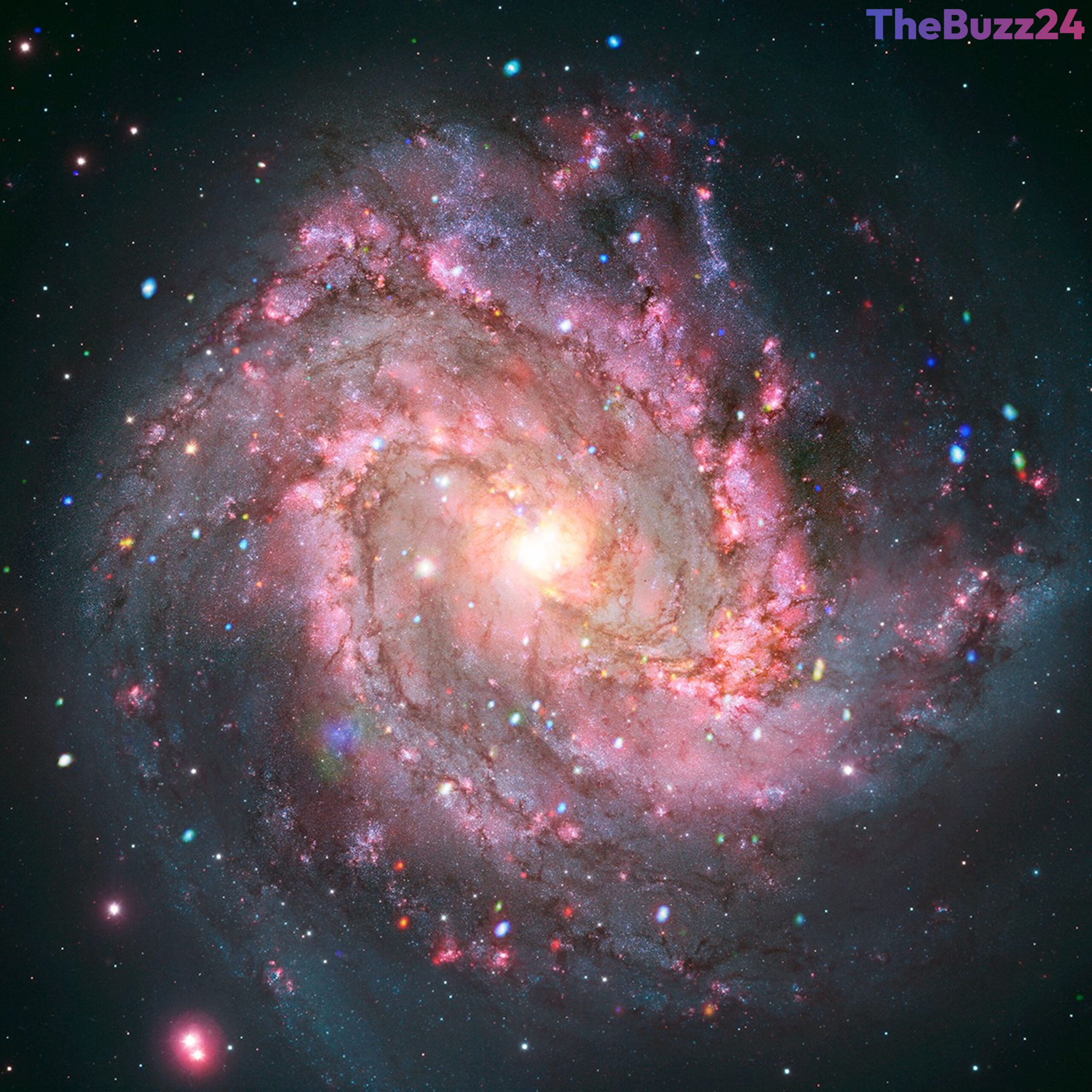
In these high-mass X-ray binary systems, the dense remnant of the exploded star exerts a powerful gravitational pull on its surviving partner, stripping away material that is then superheated, resulting in the intense X-ray emissions detected by the observatory. Alternatively, researchers propose that some of these variations could be caused by “cosmic recycling,” where debris from the original explosion falls back onto the newly formed compact object. Similar patterns have since been identified in the galaxy M51, suggesting that this behavior may be a common characteristic of galaxies undergoing rapid star formation.
Key Takeaways
- Researchers discovered that many supernova remnants exhibit dramatic, unexpected changes in X-ray brightness rather than fading steadily.
- The variability is likely caused by binary systems where a surviving star feeds material to a black hole or neutron star created by a supernova.
- Similar patterns of X-ray activity have been observed in other star-forming galaxies, indicating this may be a widespread cosmic phenomenon.
Editor’s Analysis & Impact
This discovery represents a significant shift in our understanding of stellar death and the lifecycle of binary systems. By identifying a large population of variable X-ray sources within supernova remnants, astronomers have opened a new window into the complex interactions that occur after a massive star collapses. The implication that these systems are common in star-forming galaxies suggests that binary interactions are a fundamental, rather than anomalous, part of galactic evolution. Future research will likely focus on refining the ‘cosmic recycling’ theory versus the binary accretion model, potentially providing deeper insights into how black holes and neutron stars interact with their immediate environments. This study underscores the importance of long-term, multi-year observational data in identifying transient phenomena that would otherwise be missed in shorter-term surveys.
Frequently Asked Questions
Q: Why were the X-ray brightness changes unexpected?
A: Standard astronomical models predicted that supernova remnants should fade gradually over time. Finding that nearly half of the observed remnants showed significant fluctuations in brightness contradicted these expectations.
Q: What is a high-mass X-ray binary (HMXB)?
A: An HMXB is a system consisting of a compact object, such as a black hole or neutron star, and a massive companion star. The compact object pulls material from the companion, which heats up and emits intense X-rays.
AI Disclosure: This article is based on verified data and official reports. Our Team and AI have cross-referenced every financial detail with primary sources to ensure total accuracy.
More from this Category