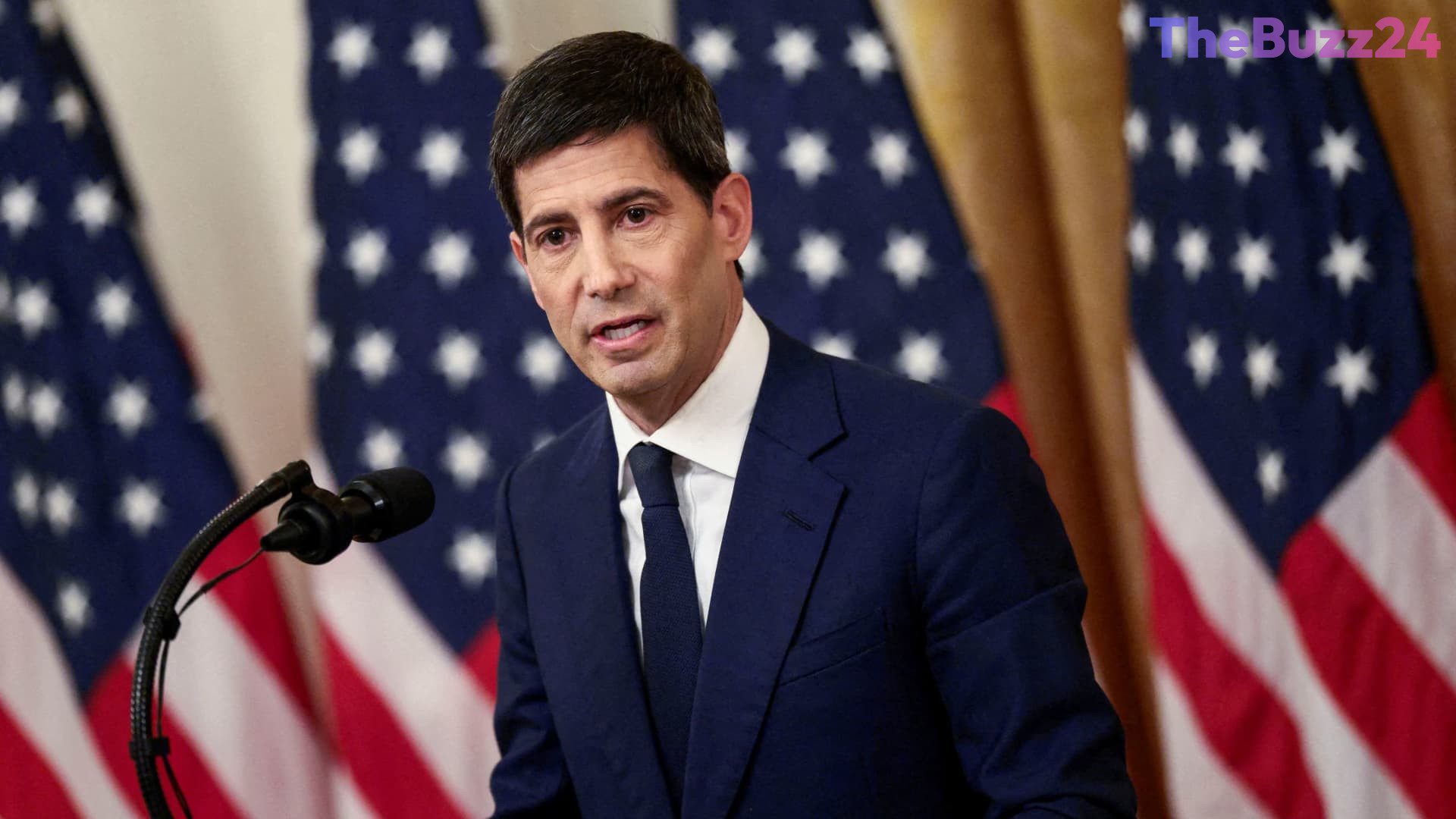
Warsh Era Begins: Federal Reserve Expected to Hold Rates Steady Through 2027 Amid Inflation Pressures
As Kevin Warsh prepares to lead his inaugural meeting as Chairman of the Federal Reserve, financial market experts anticipate a period of prolonged policy stability. A consensus among prominent economists, fund managers, and strategists suggests that the central bank will maintain its benchmark interest rate at the current level of 3.62% through 2027. Despite this projected pause on rate adjustments, a significant 88% of market observers expect the Fed to eliminate its “easing bias” during this week’s meeting, signaling an official end to expectations of near-term rate cuts.
Warsh takes the helm during a complex economic juncture. Nominated by a presidential administration that has historically advocated for lower borrowing costs, the new chairman must navigate persistent inflationary pressures. These pressures, exacerbated by international trade tariffs and geopolitical tensions in the Middle East, have effectively sidelined immediate rate cuts. However, analysts note that Warsh may enjoy greater operational flexibility and breathing room due to a strong relationship of trust with the executive branch, even as some policymakers push to keep rate hikes on the table if inflation remains stubborn.
Despite these challenges, the broader U.S. economy continues to demonstrate remarkable resilience. Forecasters have upgraded their GDP growth outlook to 2.2% for this year and 2.3% for next year, while lowering the estimated probability of a recession from 33% down to 25%. Unemployment is projected to hold steady at around 4.3%. This economic strength has led some analysts, such as John Ryding of Brean Capital, to urge the central bank to prioritize curbing inflation expectations rather than focusing on labor market fragility.
Beyond interest rates, Warsh’s proposed reforms to Federal Reserve communications are gaining traction. A majority of financial professionals agree that central bank officials communicate too frequently, supporting Warsh’s preference for a more reserved public profile. Additionally, more than half of surveyed experts advocate for the complete elimination of the “dot plot” interest rate projections. Meanwhile, broader market concerns persist, with 84% of respondents warning that artificial intelligence stocks remain significantly overvalued, posing a potential risk to equity markets and consumer wealth.
Key Takeaways
- Kevin Warsh's Federal Reserve is projected to keep interest rates steady at 3.62% through 2027, with 88% of experts expecting the removal of the easing bias this week.
- U.S. economic growth forecasts have improved to 2.2% for this year, with the probability of a recession falling to 25%.
- Market experts largely support Warsh's plans to streamline Fed communications, including reducing public commentary and potentially eliminating the 'dot plot'.
Editor’s Analysis & Impact
The transition to Kevin Warsh’s leadership at the Federal Reserve marks a critical pivot point for U.S. monetary policy. By signaling a shift away from an easing bias, the Fed is acknowledging that the path to lower inflation remains highly non-linear, complicated by fiscal policies like tariffs and geopolitical supply shocks. While Warsh was initially perceived as a dovish appointment, the reality of a resilient labor market and sticky inflation will force him to adopt a more hawkish, or at least neutral, stance to maintain institutional credibility. Furthermore, his proposed communication reforms—such as scaling back public speeches and reassessing the ‘dot plot’—could significantly reduce market noise and volatility. However, the underlying risk of an AI market correction remains a wildcard that could abruptly alter the Fed’s long-term trajectory if a sudden loss of equity wealth dampens consumer spending.
Frequently Asked Questions
Q: Why is the Federal Reserve expected to remove its easing bias?
A: The removal of the easing bias indicates that the central bank is moving away from signaling imminent rate cuts, primarily due to persistent inflation pressures driven by tariffs, geopolitical tensions, and a highly resilient labor market.
Q: What are Kevin Warsh's proposed changes to Fed communications?
A: Warsh has advocated for less public commentary from Fed officials to reduce market noise. Additionally, there is strong support among market experts to eliminate the 'dot plot'—the chart showing policymakers' individual interest rate projections.
Q: How is the overall U.S. economic outlook shaping up under the new Fed leadership?
A: The economic outlook remains strong, with GDP growth projections upgraded to 2.2% for this year and the estimated probability of a recession dropping to 25%, while unemployment is expected to remain stable at 4.3%.
AI Disclosure: This article is based on verified data and official reports. Our Team and AI have cross-referenced every financial detail with primary sources to ensure total accuracy.
More from this Category