Treasury Yields Dip as Markets Anticipate Kevin Warsh’s First Federal Reserve Meeting
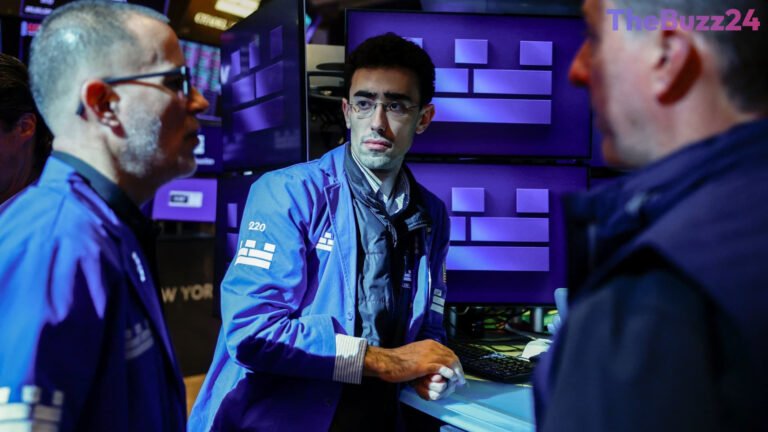
U.S. Treasury yields experienced a decline on Tuesday as market participants shifted their focus toward the upcoming Federal Reserve policy meeting. This two-day gathering marks the inaugural session led by new Federal Reserve Chairman Kevin Warsh, drawing significant attention from investors who are recalibrating their expectations regarding inflation and potential interest rate adjustments.
The benchmark 10-year U.S. Treasury note yield saw a decrease of more than 2 basis points, settling at 4.443%. Similarly, the 30-year Treasury bond yield dropped by over 2 basis points to 4.944%, while the 2-year note, which is highly sensitive to short-term monetary policy shifts, saw a marginal decline to 4.056%. These movements reflect a broader cooling of rate-hike expectations as the market digests recent geopolitical developments.
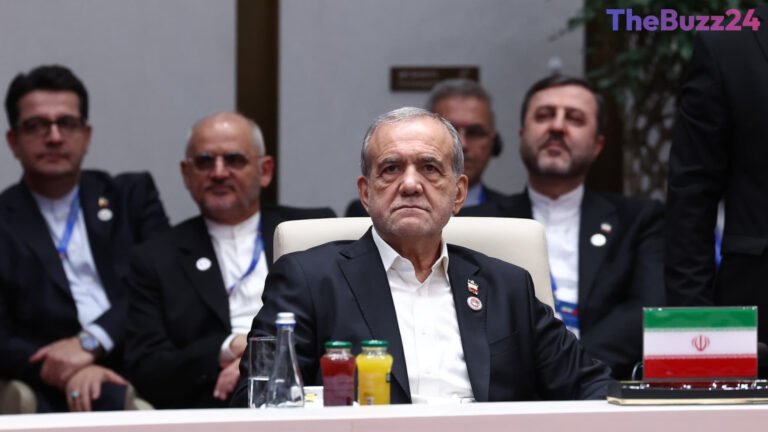
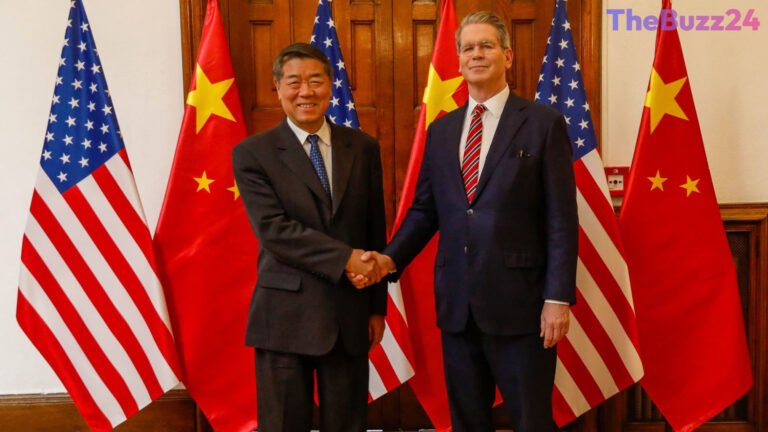
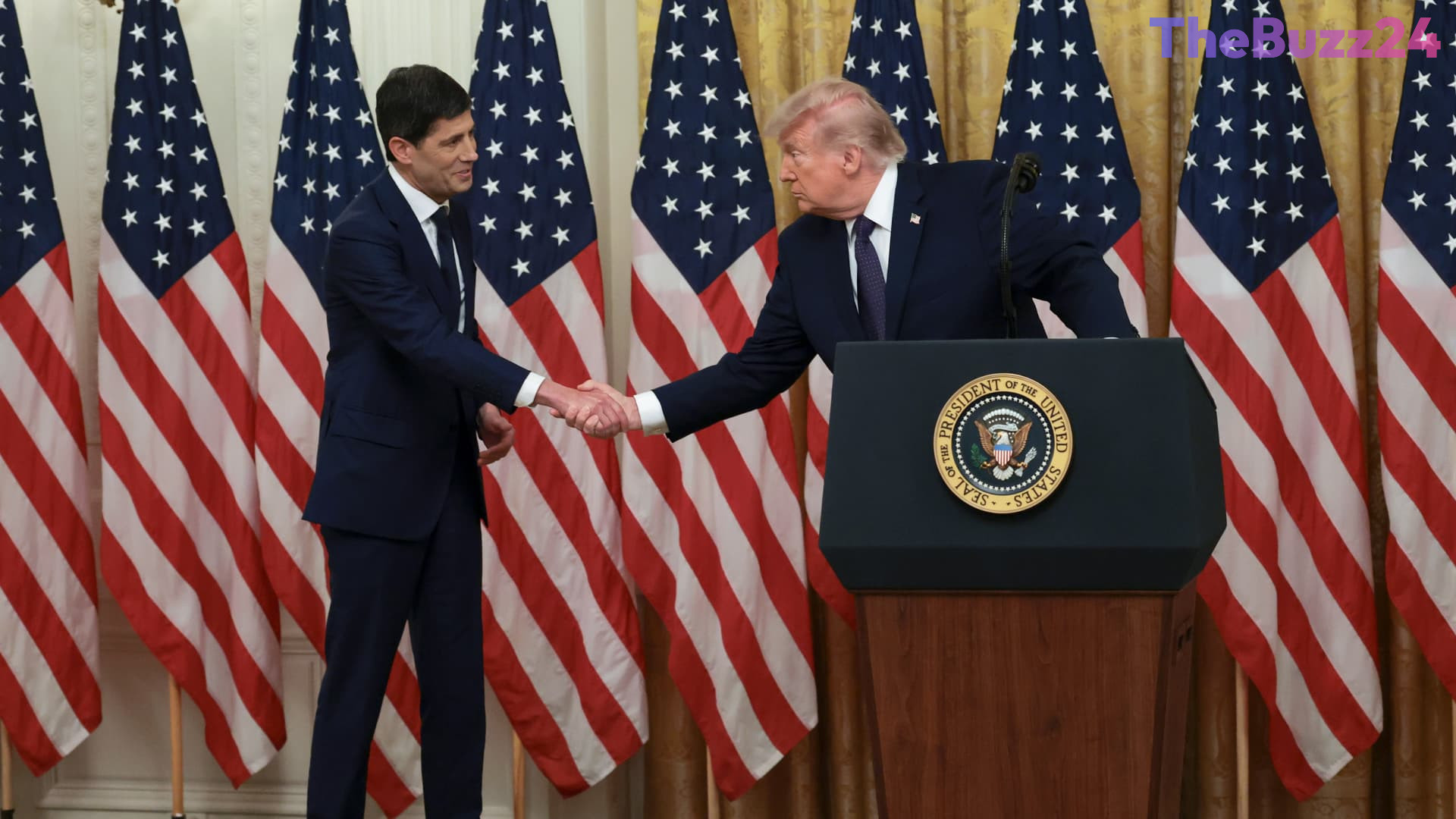
Market sentiment has been bolstered by the announcement of a provisional peace agreement between Washington and Tehran. President Donald Trump confirmed that the framework, which includes the reopening of the Strait of Hormuz to international shipping, is set for a formal signing ceremony in Geneva this Friday. This diplomatic breakthrough is expected to alleviate pressure on global energy prices, thereby reducing the inflationary concerns that have previously forced central banks to consider more aggressive monetary tightening.
As the Federal Reserve begins its deliberations, current market pricing suggests the central bank will maintain its benchmark lending rate within the 3.50% to 3.75% range. Investors are also preparing for upcoming economic data releases, including May housing and retail sales figures, which will provide further clarity on the health of the U.S. economy under the new leadership at the Fed.
Key Takeaways
- U.S. Treasury yields fell across the board as investors anticipate the first Federal Reserve meeting under Chairman Kevin Warsh.
- A provisional peace agreement between the U.S. and Iran, involving the reopening of the Strait of Hormuz, has helped ease inflationary fears.
- The Federal Reserve is widely expected to hold interest rates steady at the current 3.50% to 3.75% range during this week's policy meeting.
Editor’s Analysis & Impact
The current market environment is defined by a delicate balance between geopolitical stabilization and monetary policy transition. The easing of tensions in the Strait of Hormuz is a critical development, as it directly addresses the supply-side inflationary pressures that have complicated the Federal Reserve’s mandate. With Kevin Warsh taking the helm, the market is looking for signals regarding his long-term stance on interest rates. If the Fed maintains a steady hand, it could signal a shift toward a more cautious, data-dependent approach to policy. Investors should remain vigilant, as the combination of cooling energy prices and stable interest rates could provide a favorable backdrop for equities, provided that upcoming retail and housing data do not indicate a sharper-than-expected economic slowdown.
Frequently Asked Questions
Q: What is the significance of the 10-year Treasury note yield?
A: The 10-year Treasury note yield serves as a primary benchmark for U.S. government borrowing costs and is widely used to gauge investor sentiment regarding long-term economic growth and inflation.
Q: How does the reopening of the Strait of Hormuz affect the economy?
A: The Strait of Hormuz is a vital maritime chokepoint for global oil shipments. Its reopening is expected to stabilize energy supplies and reduce oil prices, which helps lower overall inflation and reduces the pressure on central banks to raise interest rates.
AI Disclosure: This article is based on verified data and official reports. Our Team and AI have cross-referenced every financial detail with primary sources to ensure total accuracy.
More from this Category