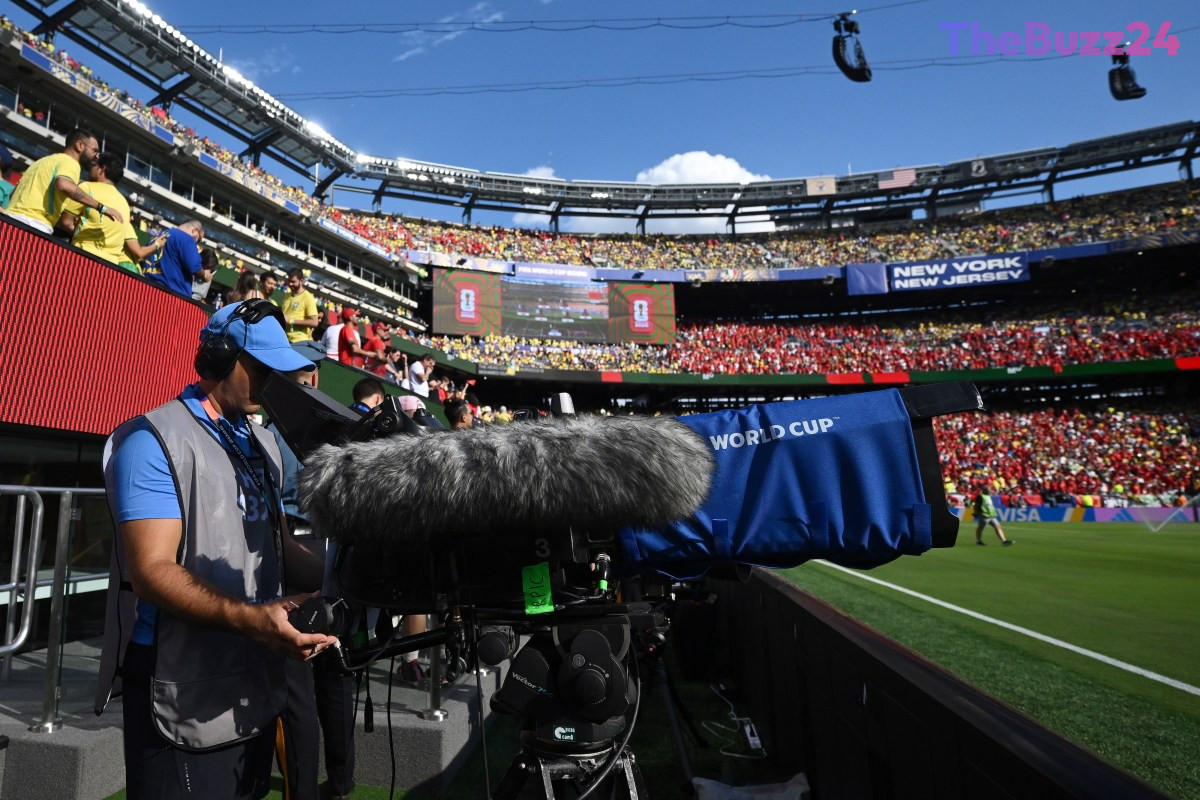
Security Vulnerability Exposed FIFA World Cup Broadcast Systems to Unauthorized Access
A significant security vulnerability within FIFA’s internal digital infrastructure recently exposed the organization’s global broadcast control systems to potential manipulation. A security researcher discovered that by registering a standard account on the official FIFA agent portal, they could exploit a flaw in the back-end API that failed to verify user authorization levels. This oversight granted access to sensitive internal platforms that were never intended for public view.
Among the systems compromised was the interface used by broadcasters to manage live feeds and on-screen graphics for World Cup matches. The researcher noted that the flaw provided the capability to intercept and potentially alter the video streams being broadcast to millions of viewers worldwide, as well as the data displayed on commentators’ monitors. The potential for disruption was immense, with the researcher suggesting that an attacker could have hijacked camera feeds or replaced broadcast content entirely.
Upon discovering the vulnerability, the researcher disclosed the findings to FIFA. The organization addressed the security gap within a few hours of the report. Despite the severity of the potential breach, FIFA has not issued a formal statement regarding the incident or the nature of the unauthorized access.
Key Takeaways
- A flaw in FIFA's back-end API allowed unauthorized users to access internal broadcast control systems.
- The vulnerability could have allowed an attacker to manipulate live World Cup TV feeds and commentator displays.
- FIFA patched the security hole shortly after the researcher reported the issue.
Editor’s Analysis & Impact
This incident highlights a critical vulnerability in the digital supply chain of major global sporting events. As sports broadcasting becomes increasingly reliant on cloud-based APIs and interconnected internal platforms, the attack surface for malicious actors expands significantly. The fact that a simple registration process could bypass authorization checks suggests a lack of robust ‘Zero Trust’ architecture within FIFA’s digital ecosystem. For the industry, this serves as a stark reminder that back-end API security is just as vital as front-end consumer protection. Moving forward, large-scale event organizers must prioritize rigorous penetration testing and automated authorization audits to prevent similar breaches, which could have catastrophic consequences for both brand reputation and the integrity of live global broadcasts.
Frequently Asked Questions
Q: How was the security flaw discovered?
A: The flaw was identified by a security researcher who registered for a standard account on FIFA's agent portal and discovered that the back-end API did not properly validate user authorization.
Q: Was any broadcast content actually altered during the incident?
A: No, the researcher identified the vulnerability and reported it to FIFA, who patched the issue before any malicious activity or broadcast manipulation occurred.
AI Disclosure: This article is based on verified data and official reports. Our Team and AI have cross-referenced every financial detail with primary sources to ensure total accuracy.
More from this Category