Uber Targets Houston for 2027 Robotaxi Expansion in Strategic Partnership with Lucid and Nuro
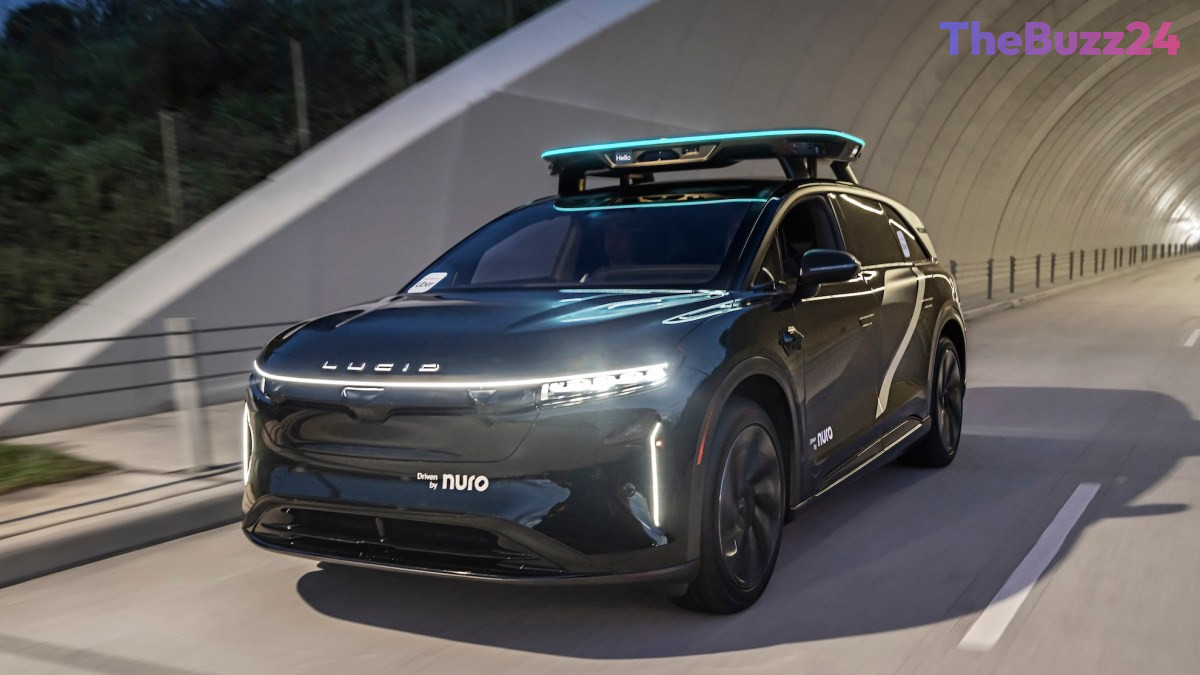
Uber has officially announced plans to introduce its premium robotaxi service to Houston by mid-2027. This expansion marks a significant milestone in the company’s collaborative efforts with electric vehicle manufacturer Lucid and autonomous technology firm Nuro, positioning Houston as the second major U.S. market for the initiative following an upcoming launch in the San Francisco Bay Area.
The service will utilize Lucid Gravity SUVs, which are currently undergoing rigorous testing equipped with Nuro’s proprietary self-driving technology. While the vehicles are currently operating with safety drivers behind the wheel, the companies are actively utilizing simulation and closed-course testing to prepare for fully autonomous public operations. To support this infrastructure, Uber has established a 50,000-square-foot operations hub in Houston, complete with dedicated charging facilities.
This move places Uber in direct competition with established players like Waymo, which already maintains a presence in both San Francisco and Houston. The partnership is bolstered by substantial financial commitments, including Uber’s $500 million investments in both Nuro and Lucid. As part of the agreement, Uber has committed to purchasing at least 35,000 robotaxi-ready vehicles from Lucid, signaling a long-term strategy to scale autonomous ride-hailing services across dozens of cities in the coming years.
Key Takeaways
- Uber plans to launch a premium robotaxi service in Houston by mid-2027 using Lucid Gravity SUVs integrated with Nuro's autonomous technology.
- The company has invested $500 million each into Nuro and Lucid, with a commitment to acquire at least 35,000 robotaxi-ready vehicles.
- Uber is establishing a 50,000-square-foot operations depot in Houston to support the fleet, setting the stage for direct competition with Waymo.
Editor’s Analysis & Impact
Uber’s aggressive push into the robotaxi space represents a critical pivot toward securing a future where ride-hailing is decoupled from human labor costs. By aligning with Lucid and Nuro, Uber is effectively hedging its bets against competitors like Waymo and Tesla. The financial commitment of $500 million to both partners underscores a ‘vertical integration’ strategy, ensuring Uber has a reliable supply chain for specialized hardware while maintaining control over the user experience. If successful, this model could drastically improve Uber’s margins by removing the volatility of driver supply. However, the company faces significant regulatory hurdles and the challenge of proving safety in complex urban environments. The success of this rollout will likely dictate the pace of autonomous adoption across the broader transportation sector over the next decade.
Frequently Asked Questions
Q: What vehicles will be used for Uber's robotaxi service?
A: The service will utilize the Lucid Gravity SUV, which is being outfitted with Nuro’s high-resolution cameras, solid-state lidar, and radar sensors.
Q: How does this partnership impact the competitive landscape in Houston?
A: The launch will place Uber in direct competition with Waymo, which currently operates commercial autonomous vehicle services in the Houston market.
AI Disclosure: This article is based on verified data and official reports. Our Team and AI have cross-referenced every financial detail with primary sources to ensure total accuracy.
More from this Category