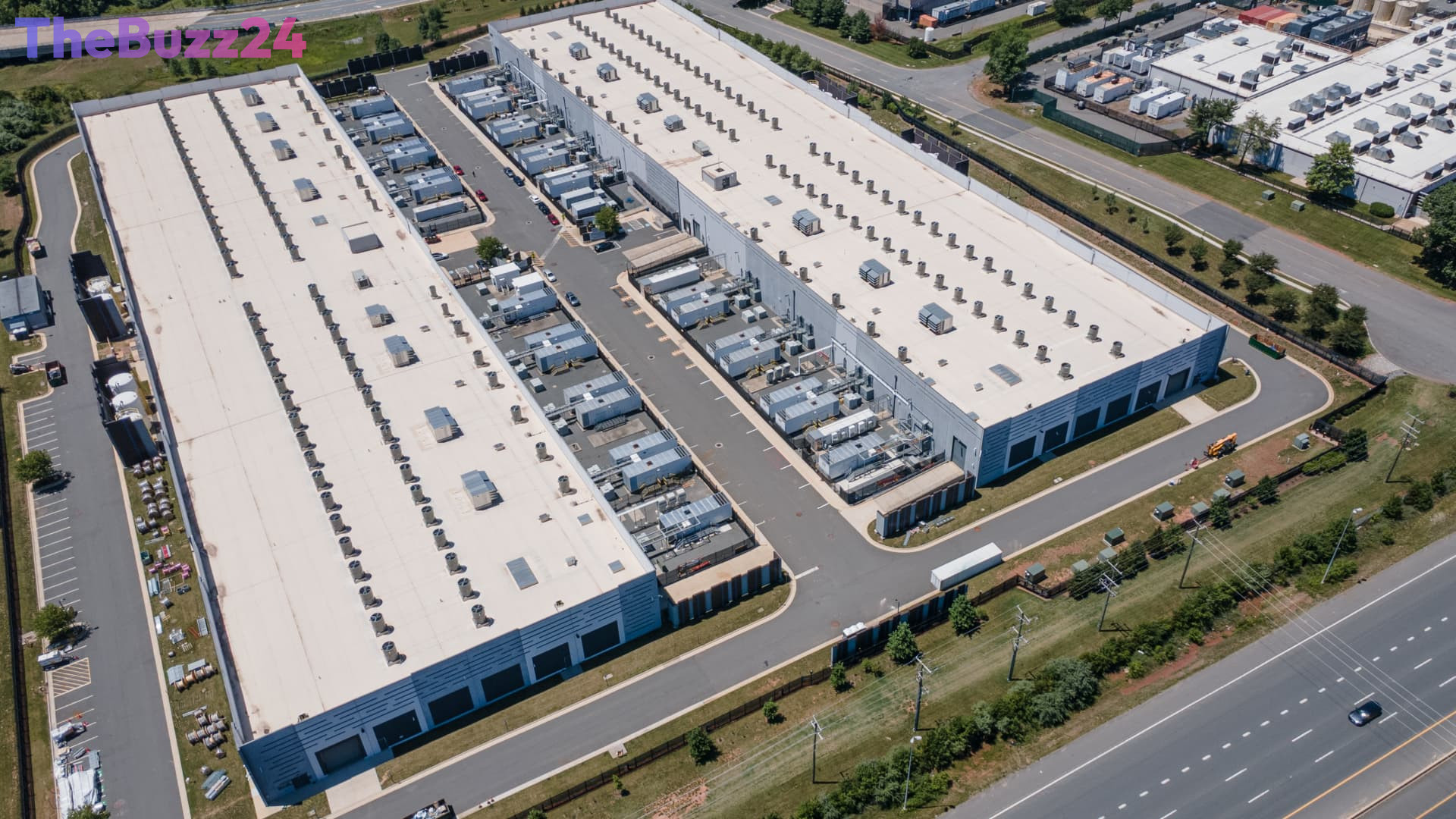
Climate Change Poses Significant Threat to Global Data Center Infrastructure
A comprehensive study has revealed that a substantial majority of the world’s data center capacity, nearly 80%, is at an elevated risk from climate-related hazards such as flooding and wildfires. The report, compiled by climate risk analytics firm First Street, analyzed 97 global data center markets and found that 79% of capacity faces acute risks from severe weather events. These events can lead to operational disruptions, extended downtime, and increased costs for insurance and repairs.
Beyond immediate threats, the study also highlighted that over half of global data center markets are situated in areas experiencing chronic climate stress, including extreme heat and drought. These ongoing conditions can significantly impact energy efficiency and drive up operational expenses. Experts caution that traditional investment models, which often rely on historical data, may not adequately account for the escalating and unpredictable nature of the current climate, potentially leading to mispriced risks for long-term infrastructure investments.
The findings indicate a critical need for the industry to reassess its risk assessment methodologies. As data centers are designed for decades of operation, investors and developers must incorporate forward-looking climate projections rather than solely relying on past climate patterns. This shift in perspective is crucial for identifying resilient markets and ensuring the long-term viability of digital infrastructure. Companies that proactively integrate these climate considerations into their planning and capital allocation are likely to be better positioned in the evolving landscape.
Geographically, the Asia-Pacific region shows the highest percentage of data center capacity at risk, with 89% exposed, followed by the Americas at 50% and Europe, the Middle East, and Africa at 46%. Notably, some of the fastest-growing data center markets, including Northern Virginia in the U.S., Johor in Malaysia, and Marseille in France, are among those most vulnerable. In contrast, Nordic markets appear to present the lowest climate-related risks.
Key Takeaways
- Nearly 80% of global data center capacity is exposed to acute climate hazards like flooding and wildfires.
- Over half of data centers are located in regions facing chronic climate stress, impacting efficiency and costs.
- Traditional risk assessment models are insufficient, necessitating a shift towards forward-looking climate projections for investment decisions.
Editor’s Analysis & Impact
This study underscores a critical vulnerability within the digital economy’s backbone. The reliance on historical data for infrastructure planning is becoming increasingly untenable as climate change intensifies. The findings suggest a significant market inefficiency where long-term risks are potentially underestimated, leading to misallocated capital. Companies that embrace climate-resilient design and strategic site selection will likely gain a competitive advantage. This could spur innovation in cooling technologies, energy efficiency, and disaster preparedness within the data center industry, potentially driving up costs for less resilient operators and influencing future development trends towards regions with lower climate risk.
Frequently Asked Questions
Q: What are the primary climate risks facing data centers?
A: The primary climate risks include acute events like flooding, wildfires, and extreme winds, which can cause immediate damage and downtime. Additionally, chronic stresses such as extreme heat and drought can degrade performance, increase energy consumption for cooling, and lead to higher operational costs over time.
Q: Why are traditional risk assessment models insufficient for data centers?
A: Traditional models often rely on historical climate data, which no longer accurately predicts future weather patterns due to climate change. The increasing frequency and intensity of extreme weather events, along with gradual shifts like rising temperatures and altered precipitation, mean that past performance is not a reliable indicator of future risk.
Q: Which regions are most affected by climate risks for data centers?
A: The Asia-Pacific region has the highest percentage of data center capacity at risk (89%). Some rapidly expanding markets like Northern Virginia (USA), Johor (Malaysia), and Marseille (France) are also highly exposed. Nordic markets generally show the lowest risk.
AI Disclosure: This article is based on verified data and official reports. Our Team and AI have cross-referenced every financial detail with primary sources to ensure total accuracy.
More from this Category