U.S.-Iran Peace Talks Stumble Amid Escalating Regional Tensions
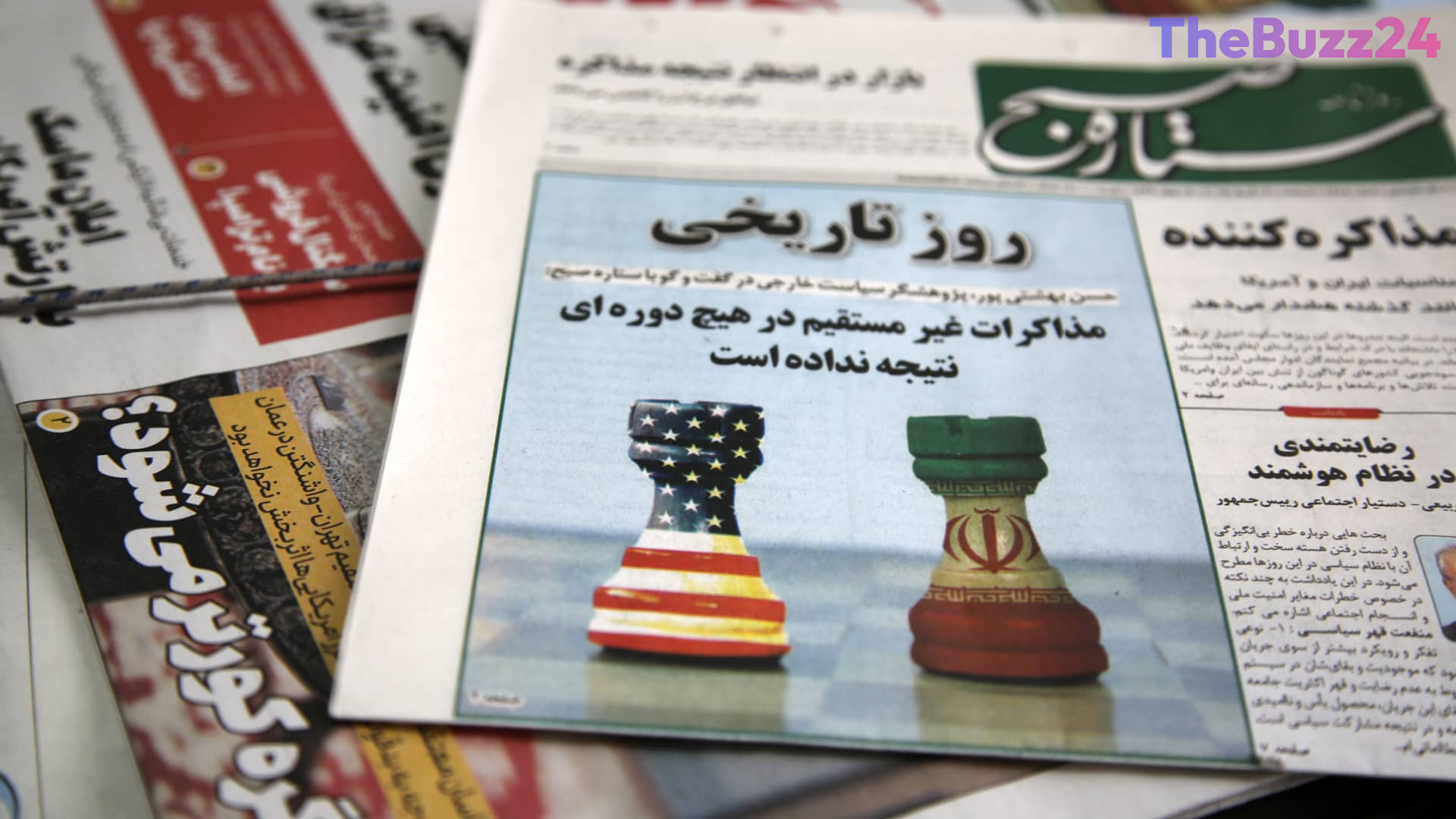
An interim peace agreement between the United States and Iran, initially hailed as a step towards de-escalation, has encountered an early setback. Follow-up discussions scheduled in Switzerland were abruptly called off, casting fresh doubt on the path to a lasting resolution for the months-long conflict. While the White House cited unresolved logistical issues for Vice President JD Vance’s canceled trip to Bürgenstock, reports suggest a more volatile reason for the postponement.
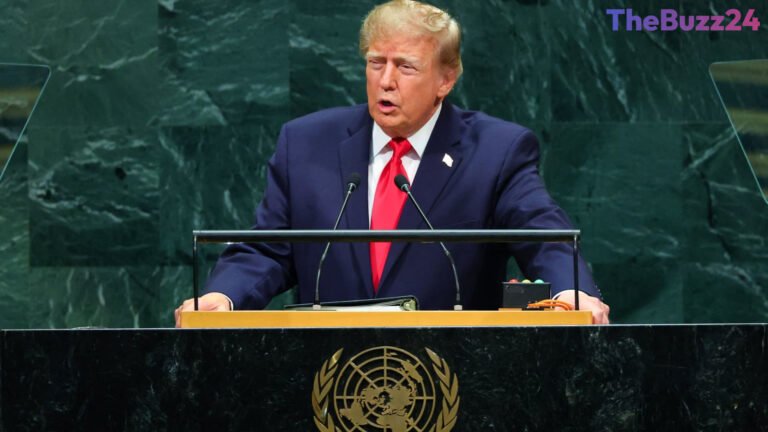
The developments unfolded just a day after President Donald Trump and Iranian President Masoud Pezeshkian signed a memorandum of understanding (MOU). This 14-point agreement aimed to establish a permanent peace deal, extending the ceasefire to regions like Lebanon and ensuring the reopening of the strategically vital Strait of Hormuz. However, the fragility of the regional situation was starkly highlighted when renewed Israeli airstrikes against Lebanon reportedly led to the cancellation of Friday’s talks. Lebanon’s Health Ministry reported 18 fatalities in the south following the Israeli operations, while Israel confirmed the deaths of four of its soldiers. Israeli Prime Minister Benjamin Netanyahu stated his directive to the Israel Defense Forces was to strike Hezbollah “with full force” in response to what he termed a “heinous attack” by the Iran-backed group, vowing to maintain a security presence in southern Lebanon.
Experts caution that the U.S.-Iran agreement represents merely an initial stride toward a comprehensive settlement. Analysts from institutions like UBS and the Australian Strategic Policy Institute point to several “sticky points” that remain unresolved, particularly Israel’s ongoing campaign in Lebanon, warning that a return to conflict remains a possibility. The deal has also drawn criticism, with some arguing that the U.S. conceded too much to Iran, potentially strengthening Iran’s position in the Gulf and limiting external interference in its domestic affairs. Strategists like David Roche of Quantum Strategy expressed concerns that Iran’s enhanced influence could destabilize the Middle East in the long term, predicting Israel’s likely rejection of the agreement and Iran’s continued pursuit of nuclear ambitions.
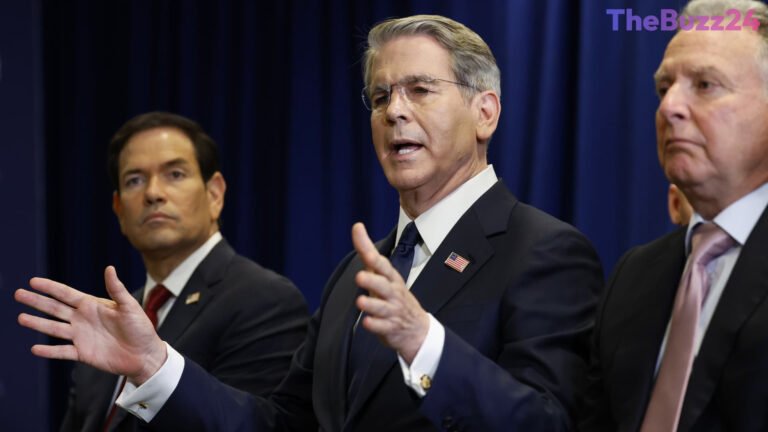
Despite the lingering uncertainty, the interim agreement had initially eased disruptions in the Strait of Hormuz, benefiting economies reliant on imported oil by potentially lowering prices and mitigating inflation. Both President Trump and Vice President Vance have defended the deal against critics. Vance emphasized that the U.S. was not providing any financial concessions to Iran, while Trump, in a social media post, dismissed critics as “jealous, bad people, or stupid,” highlighting record stock market highs and falling oil prices as indicators of the deal’s success.
Key Takeaways
- Follow-up talks for the U.S.-Iran interim peace deal were canceled due to logistical issues and escalating Israeli-Lebanese conflict.
- The agreement, signed by Presidents Trump and Pezeshkian, aimed to extend a ceasefire and reopen the Strait of Hormuz, but faces significant "sticky points."
- Analysts express skepticism about the deal's long-term stability, citing regional volatility and concerns about Iran's strengthened position, despite initial positive impacts on oil markets.
Editor’s Analysis & Impact
The immediate stumble in U.S.-Iran peace talks underscores the profound fragility of diplomatic efforts in a volatile Middle East. While the initial agreement offered a glimmer of hope for easing tensions and stabilizing oil markets by securing the Strait of Hormuz, the swift cancellation of follow-up discussions due to renewed Israeli-Lebanese hostilities highlights the region’s complex and interconnected conflicts. This incident suggests that broader peace initiatives are highly susceptible to localized escalations, making a lasting settlement a formidable challenge. For markets, this introduces renewed uncertainty, potentially reversing any positive sentiment regarding oil prices and shipping stability. The broader implication is a continued test of U.S. foreign policy in balancing regional alliances with de-escalation efforts, as the path to peace remains fraught with entrenched geopolitical rivalries.
Frequently Asked Questions
Q: What was the purpose of the U.S.-Iran interim agreement?
A: The 14-point Memorandum of Understanding (MOU) aimed to establish a permanent peace deal, extend the ceasefire to areas like Lebanon, and reopen the strategically important Strait of Hormuz.
Q: Why were the follow-up talks in Switzerland canceled?
A: The White House cited unresolved logistical issues. However, reports also linked the cancellation to renewed Israeli airstrikes against Lebanon, which escalated regional tensions.
Q: What are the main criticisms of the U.S.-Iran deal?
A: Critics argue that the U.S. conceded too much to Iran, potentially strengthening Iran's regional influence and limiting external interference. Concerns also exist about the deal's ability to address Iran's nuclear ambitions and ensure long-term stability in the Middle East.
AI Disclosure: This article is based on verified data and official reports. Our Team and AI have cross-referenced every financial detail with primary sources to ensure total accuracy.
More from this Category