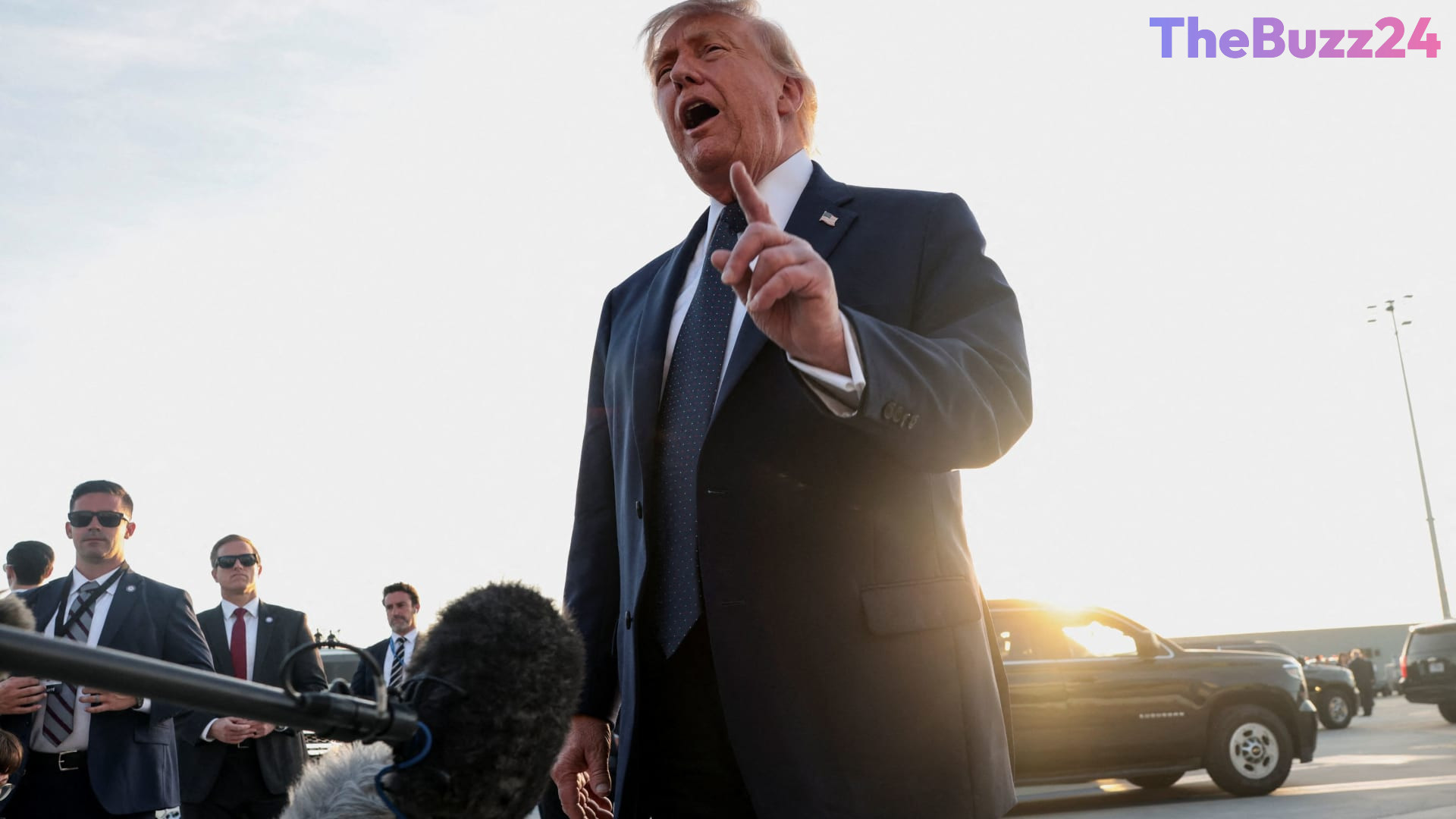
President Trump Softens Stance on Anthropic Following AI Security Compliance
President Donald Trump has indicated a shift in his administration’s posture toward artificial intelligence firm Anthropic, stating that he no longer considers the company a national security threat. This development follows a period of heightened tension regarding the accessibility of the company’s advanced AI models, specifically Fable 5 and Mythos 5, to foreign nationals.
Last week, the administration issued a directive requiring Anthropic to restrict access to these high-level models, prompting the company to temporarily disable them for all users. The move was part of a broader effort to ensure that sensitive AI technology does not fall into the hands of foreign entities that could pose a risk to national security. Following the order, Anthropic’s technical staff engaged in high-level discussions with government officials to address these concerns.
During a recent summit in France, where G7 leaders convened with prominent technology executives, President Trump acknowledged that Anthropic CEO Dario Amodei responded to the administration’s export control directives with speed and responsibility. While the President noted that he previously viewed the company as a potential risk, he confirmed that the current situation has been de-escalated. Despite this progress, the administration has not explicitly ruled out the future use of the Defense Production Act, though the President suggested such measures may currently be unnecessary.
Key Takeaways
- President Trump has officially walked back his characterization of Anthropic as a national security threat.
- Anthropic complied with administration directives to restrict foreign access to its Fable 5 and Mythos 5 AI models.
- While the immediate threat assessment has been lowered, the administration maintains the potential to invoke the Defense Production Act if future compliance issues arise.
Editor’s Analysis & Impact
The resolution of the dispute between the Trump administration and Anthropic highlights the growing intersection of national security policy and the rapid development of generative AI. By leveraging executive pressure and the threat of the Defense Production Act, the administration has signaled that AI companies will be held to strict export control standards, similar to those applied to traditional defense contractors. This sets a significant precedent for the industry, suggesting that AI developers must prioritize government alignment and security protocols to avoid regulatory intervention. Moving forward, the industry should expect increased scrutiny regarding the deployment of ‘frontier’ models, as governments globally seek to maintain a competitive advantage while mitigating the risks of dual-use technology. The collaborative tone struck by both parties suggests a model for future public-private partnerships in the AI sector.
Frequently Asked Questions
Q: Why was Anthropic initially considered a national security threat?
A: The administration was concerned about foreign nationals gaining access to Anthropic's advanced AI models, Fable 5 and Mythos 5, which could potentially be used in ways that compromise national security.
Q: What is the Defense Production Act in this context?
A: The Defense Production Act is a law that grants the President broad authority to direct private companies to prioritize government contracts and national security needs, which could be used to force compliance from AI firms.
AI Disclosure: This article is based on verified data and official reports. Our Team and AI have cross-referenced every financial detail with primary sources to ensure total accuracy.
More from this Category