Oil Flows Resume: Hormuz Traffic Jumps After U.S.-Iran Agreement
Oil tanker traffic through the Strait of Hormuz has seen a significant surge, reaching its highest levels in months following a recent agreement between the United States and Iran to reopen the critical sea lane to commercial shipping. This development marks a notable de-escalation in a vital global energy chokepoint, facilitating the movement of crude oil and other goods.
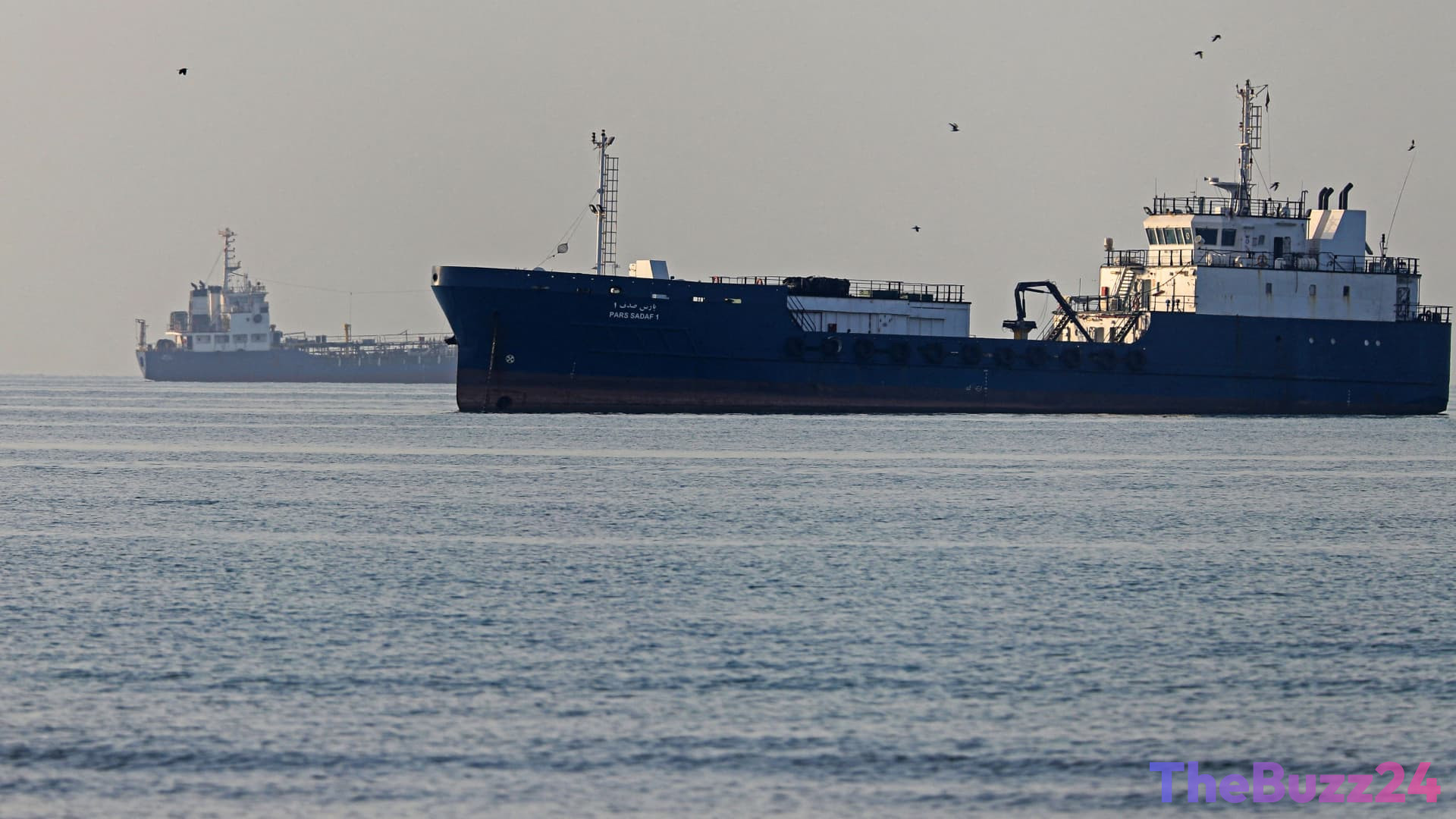
On a recent Thursday, at least 20 oil tankers traversed the Strait, marking the highest volume of traffic recorded since June 2. This increase includes the visible return of Iranian supertankers, which are now openly transmitting their transponder signals as they depart the region, a practice that had been suspended during a period of heightened tensions. Analysts note that this transparency suggests a gradual return to more conventional operating patterns for Iranian crude trade.
The renewed activity comes after the U.S. Navy concluded its blockade of Iran, while Tehran has, in turn, allowed ships to cross the Strait of Hormuz for a 60-day period without incurring tolls. U.S. Vice President JD Vance confirmed that Iran is upholding its commitments under the agreement. The traffic observed was broadly balanced, with an almost equal number of vessels moving in both directions, and included supertankers from Saudi Arabia and the United Arab Emirates, capable of carrying up to 2 million barrels of oil each.
Despite the recent surge, overall traffic remains below pre-conflict levels, which saw over 100 ships, including dozens of tankers, transiting daily. The agreement also sets the stage for future discussions on the governance of the Strait. After the initial toll-free period concludes, Iran is slated to engage in talks with Oman and other Gulf states to determine how the waterway will be administered, leaving open the possibility of future tolls and raising questions about the long-term framework for this crucial maritime passage.
Key Takeaways
- Oil tanker traffic in the Strait of Hormuz has significantly increased, reaching its highest level since June 2, following a U.S.-Iran agreement to reopen the sea lane.
- Iranian supertankers are now openly transmitting their positions, indicating a return to more normalized shipping operations after a period of operating 'dark'.
- The agreement includes a 60-day toll-free period, after which Iran will discuss future governance and potential tolls with regional partners, raising questions about long-term administration of the strait.
Editor’s Analysis & Impact
This development signals a significant de-escalation of tensions in a critical global energy chokepoint. The increased traffic and the transparency from Iranian vessels could lead to greater stability in oil markets, potentially easing supply concerns and contributing to more predictable pricing. For the shipping industry, it means safer and more efficient transit through the Strait, reducing insurance premiums and operational risks. The upcoming discussions on governance and potential tolls, however, introduce an element of uncertainty. While the immediate outlook is positive for trade and regional stability, the long-term implications will depend on the success of these negotiations and whether a sustainable framework for the Strait’s administration can be established, avoiding future disruptions. This move could also be a tentative step towards broader diplomatic engagement between the U.S. and Iran.
Frequently Asked Questions
Q: What is the significance of the Strait of Hormuz?
A: The Strait of Hormuz is a vital maritime chokepoint connecting the Persian Gulf to the open ocean. It is crucial for global energy markets, as a significant portion of the world's seaborne oil passes through it daily.
Q: Why did oil tanker traffic increase recently?
A: Traffic increased following an agreement between the United States and Iran to reopen the sea lane to commercial shipping. This deal ended a period of heightened tensions and blockades, allowing vessels to transit more freely.
Q: What does it mean for Iranian supertankers to 'switch on their transponders'?
A: During periods of conflict or sanctions, some Iranian tankers would 'go dark' by turning off their transponders to avoid detection. Switching them back on indicates a return to more transparent and normalized shipping operations, signaling reduced risk and greater adherence to international maritime practices.
AI Disclosure: This article is based on verified data and official reports. Our Team and AI have cross-referenced every financial detail with primary sources to ensure total accuracy.
More from this Category