From Software Engineer to Cafe Owner: How One Entrepreneur Mastered the Matcha Market
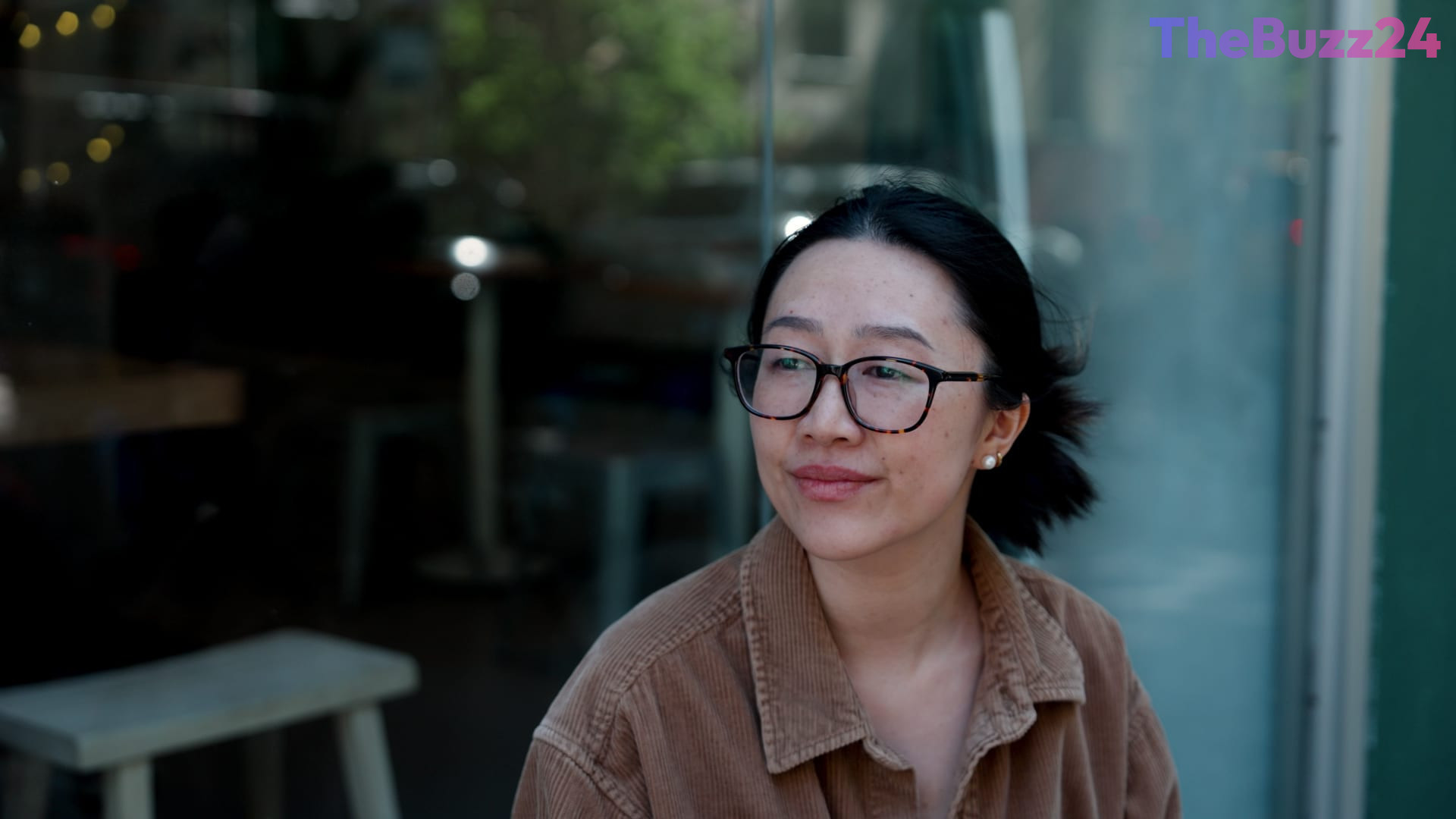
Michelle Yeung, a 29-year-old former software engineer, has successfully pivoted from a high-paying corporate career to the world of hospitality. Despite earning a salary of approximately $250,000 in the tech sector, Yeung felt a growing disconnect from her work and sought a path that offered more direct, positive human interaction. Her journey toward entrepreneurship was marked by meticulous planning and a unique ‘undercover’ apprenticeship that prepared her for the realities of the food service industry.
Before launching her venture, Yeung spent months conducting deep research, which included traveling to Japan to study authentic matcha sourcing and preparation techniques. To bridge the gap in her own experience, she took on early morning shifts at a major coffee chain, working from 5 a.m. to 10 a.m. before beginning her software engineering duties. This hands-on training provided her with essential operational knowledge, from workflow management to customer service standards, which proved invaluable when she eventually opened her own storefront.
In July 2025, Yeung launched Matcha House on Manhattan’s Lower East Side. The transition was not without its hurdles; the business faced significant construction delays and even a flooding incident just hours before its soft opening. However, through the support of her network and her own rigorous preparation, the cafe has become a success. Currently, the business is on track to reach profitability within its first year, allowing Yeung to transition from working 12-hour days behind the counter to managing a team of ten part-time employees.
Today, Yeung prioritizes personal fulfillment over the high salary she once commanded. While she is reinvesting most of the cafe’s earnings back into the business, she maintains a lean personal budget and expresses deep satisfaction with her new career trajectory. Her story serves as a testament to the power of strategic planning and the willingness to start from the bottom to build a sustainable, passion-driven business.
Key Takeaways
- Michelle Yeung transitioned from a $250,000 tech career to opening a successful matcha cafe in Manhattan.
- The entrepreneur gained practical industry experience by working 'undercover' shifts at a coffee chain while still employed as a software engineer.
- Matcha House is on track for first-year profitability, with Yeung successfully scaling operations to include a team of part-time staff.
Editor’s Analysis & Impact
This transition highlights a growing trend of high-earning professionals prioritizing purpose-driven work over traditional corporate compensation. Yeung’s approach—treating her career pivot as a research-heavy project rather than an impulsive exit—is a blueprint for successful entrepreneurship. By combining the financial discipline of a tech salary with the operational insights gained from ‘undercover’ work, she mitigated the high failure rate typically associated with first-time hospitality ventures. The broader implication is that the ‘Great Resignation’ has evolved into a ‘Great Pivot,’ where individuals are leveraging their existing professional skills to disrupt smaller, niche markets. As she continues to reinvest in her business, the long-term outlook for Matcha House remains positive, provided she can maintain the quality standards that defined her initial success.
Frequently Asked Questions
Q: How did Michelle Yeung prepare for opening her cafe while working in tech?
A: She conducted extensive research in Japan, tested recipes with friends, and worked early morning shifts at a coffee chain to learn operational workflows.
Q: Is Matcha House profitable?
A: Yes, the business is on track to be profitable within its first year of operation, with the owner reinvesting earnings back into the company.
AI Disclosure: This article is based on verified data and official reports. Our Team and AI have cross-referenced every financial detail with primary sources to ensure total accuracy.
More from this Category