SpaceX Market Valuation Dips Below $2 Trillion Amid Sustained Sell-Off
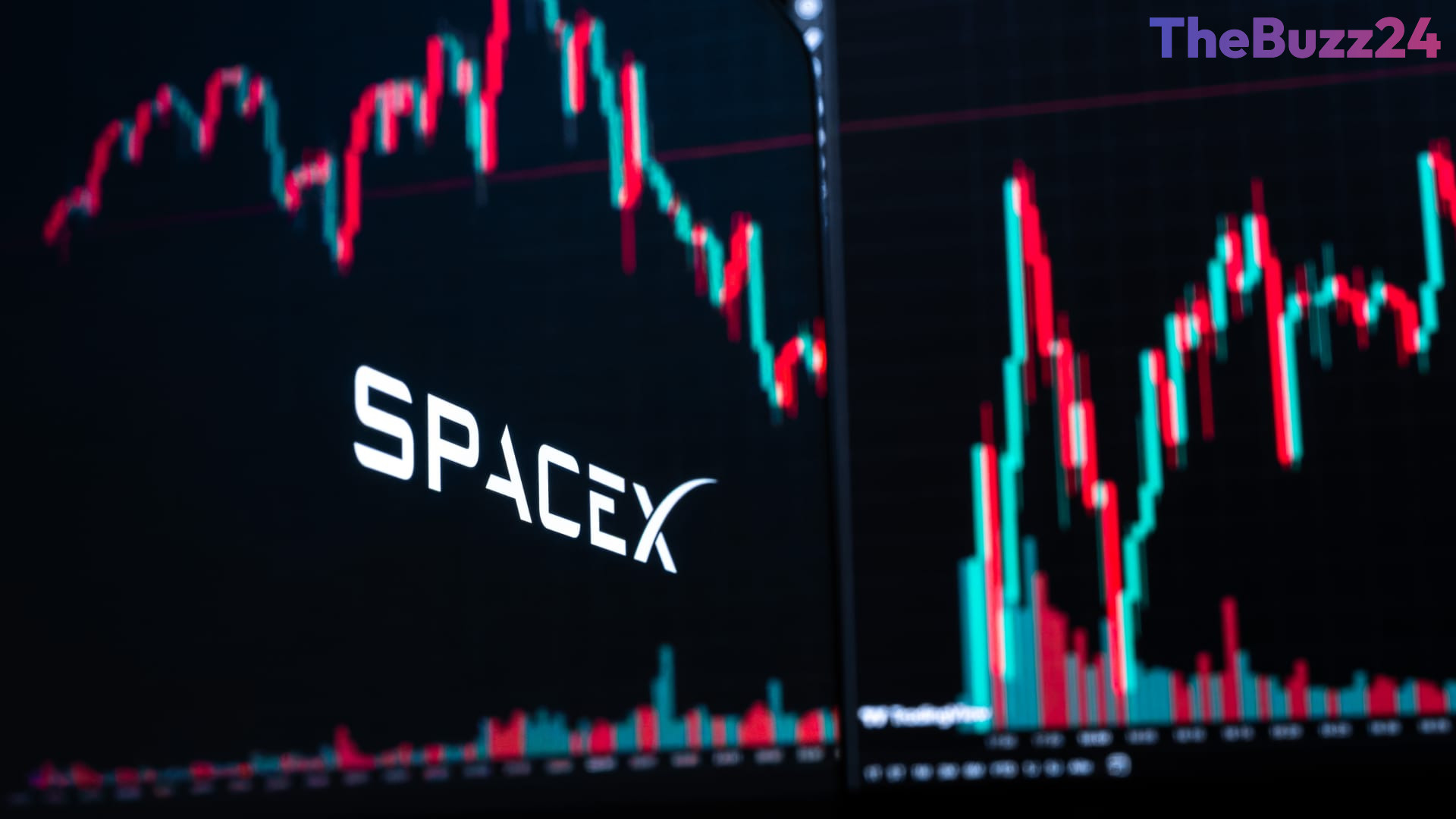
SpaceX shares have experienced a significant downturn, falling below the $150 threshold established during the company’s initial public offering just two weeks ago. This decline has pushed the aerospace and artificial intelligence firm’s total market capitalization under the $2 trillion mark, marking a sharp reversal from the record-breaking momentum seen during its mid-June debut.
The recent slide follows a turbulent Monday session, during which the company saw a $400 billion reduction in market value. This marks the fourth consecutive day of losses for the stock, as investor sentiment shifts away from the initial enthusiasm that briefly propelled SpaceX to valuations exceeding those of tech giants like Amazon and Microsoft.
Despite the market volatility, the company remains active in its financial and operational planning. SpaceX recently announced a new offering of senior unsecured notes and disclosed a robust cash position of $100.8 billion as of June 19. Furthermore, the firm has entered into a strategic computing power agreement with the AI startup Reflection, granting the startup access to the company’s proprietary Colossus infrastructure to bolster its development efforts.
Key Takeaways
- SpaceX shares have fallen below their $150 IPO price, causing the company's market cap to drop under $2 trillion.
- The stock is currently enduring a four-day losing streak, erasing the significant gains achieved immediately following its June 12 debut.
- The company maintains a strong liquidity position with over $100 billion in cash and is expanding its AI footprint through a new partnership with Reflection.
Editor’s Analysis & Impact
The rapid cooling of SpaceX stock highlights the volatility inherent in high-profile IPOs that are driven by speculative fervor rather than immediate earnings stability. While the company’s underlying infrastructure—specifically its Colossus computing power—remains a significant long-term asset, the market is clearly recalibrating its expectations. The shift from a valuation exceeding $2 trillion to current levels suggests that investors are moving from a ‘growth at any cost’ mindset to a more cautious evaluation of the company’s capital-intensive projects. Moving forward, SpaceX’s ability to maintain its market position will depend on its success in monetizing its AI infrastructure and proving that its ambitious space-faring goals can generate consistent shareholder value despite the current macroeconomic headwinds.
Frequently Asked Questions
Q: Why did SpaceX's market cap fall below $2 trillion?
A: The market cap fell due to a sustained sell-off that saw shares drop below their initial $150 offering price, following a period of cooling investor sentiment after the company's record-breaking IPO.
Q: What is the significance of the agreement with Reflection?
A: The agreement allows the AI startup Reflection to utilize SpaceX's Colossus infrastructure, signaling the company's intent to leverage its massive computing resources as a core part of its business model.
AI Disclosure: This article is based on verified data and official reports. Our Team and AI have cross-referenced every financial detail with primary sources to ensure total accuracy.
More from this Category