U.S. Grants 60-Day Sanctions Waiver, Allowing Iran to Resume Dollar-Denominated Oil Trade
In a significant shift in foreign policy, the United States has issued a sweeping 60-day exemption that allows Iran to produce and sell crude oil, petrochemicals, and petroleum products using U.S. dollars. This move, formalized through the U.S. Treasury’s General License X, marks the most substantial rollback of American oil sanctions against Tehran since the 1979 Islamic Revolution. The authorization, which remains in effect until August 21, effectively removes long-standing banking frictions that previously forced Iran to rely on opaque, shadow-banking intermediaries to process international transactions.
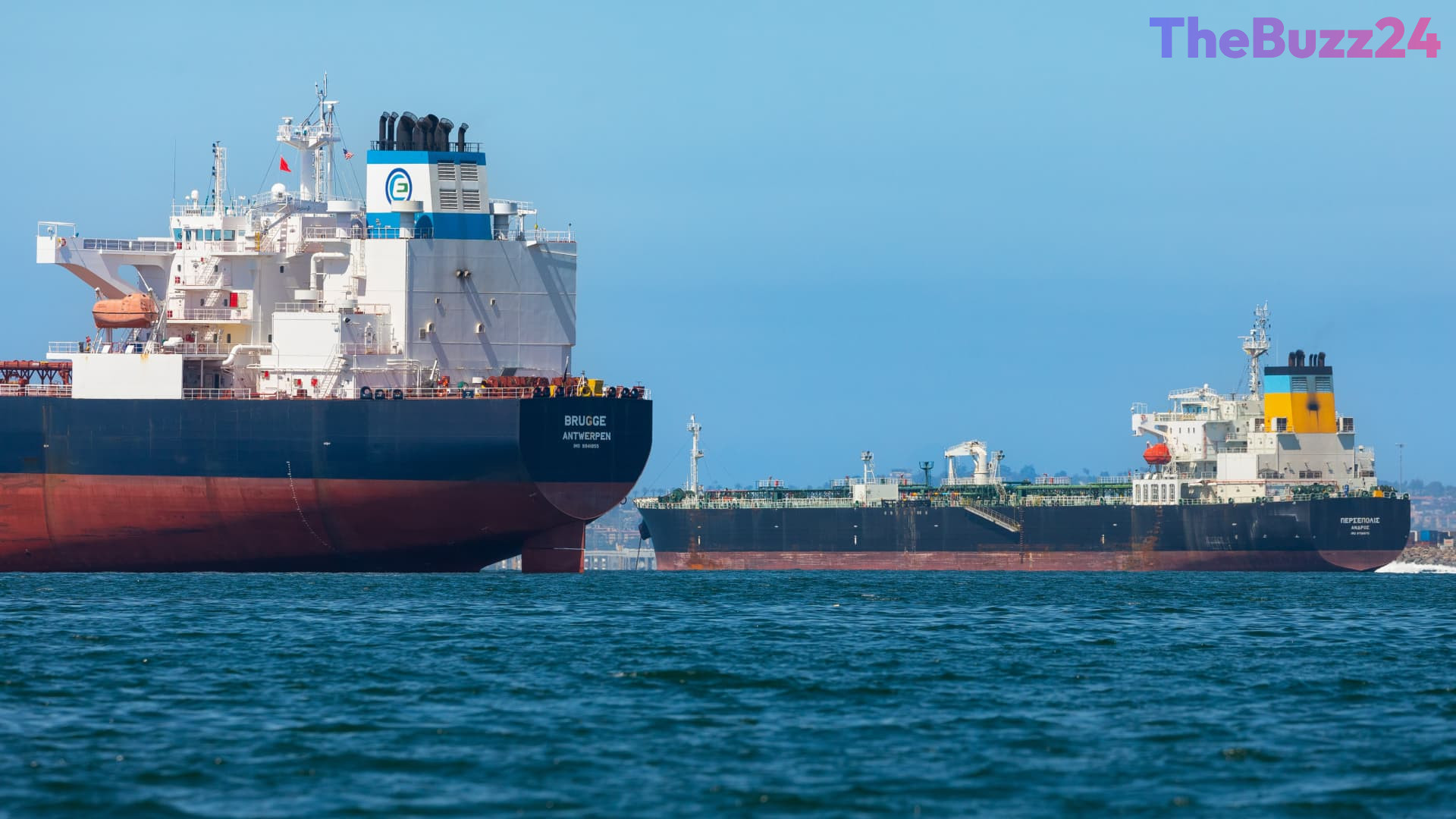
The policy change is expected to provide a substantial financial boost to the Iranian economy, potentially unlocking a floating inventory of approximately 67 million barrels of crude currently stranded in the Gulf. Analysts estimate this windfall could generate between $8 billion and $9 billion in revenue for the Iranian regime. By permitting dollar-denominated trade, the U.S. has cleared the path for state-run and independent refineries—particularly in China, which currently accounts for roughly 90% of Iran’s oil exports—to ramp up purchasing activities without the fear of secondary sanctions.
While the administration has framed the relief as a strategic step toward a permanent peace deal, the move has sparked intense debate regarding its long-term economic and geopolitical consequences. As global markets adjust to the influx of Iranian supply, industry experts anticipate a rapid ‘top-off’ cycle, with buyers rushing to secure contracts and replenish stockpiles before the 60-day window closes. The exemption also theoretically reopens the door for U.S. imports of Iranian crude, a trade route that has remained dormant for decades.
Key Takeaways
- The U.S. has issued a 60-day waiver allowing Iran to conduct oil and petrochemical transactions in U.S. dollars.
- The policy change could unlock 67 million barrels of stranded crude, providing Iran with an estimated $8 to $9 billion in revenue.
- Chinese refineries are expected to be the primary beneficiaries, as the waiver removes the need for complex, shadow-banking payment channels.
Editor’s Analysis & Impact
The decision to grant a 60-day sanctions waiver represents a high-stakes gamble in Middle Eastern diplomacy. By facilitating a direct revenue stream for Iran, the U.S. is attempting to incentivize progress in ongoing peace negotiations. From a market perspective, the sudden re-entry of Iranian crude into the global supply chain could exert downward pressure on oil prices, provided that logistics and infrastructure can handle the surge in volume. However, the short-term nature of the license creates a ‘use-it-or-lose-it’ dynamic, likely leading to a frantic period of procurement by Chinese buyers. The broader implication is a potential realignment of energy trade routes and a test of whether economic integration can serve as a viable substitute for the ‘maximum pressure’ campaigns of the past. Future stability will depend on whether this window leads to a durable diplomatic framework or merely a temporary economic reprieve.
Frequently Asked Questions
Q: What does the 60-day waiver allow Iran to do?
A: The waiver allows Iran to produce and sell crude oil, petrochemicals, and petroleum products using U.S. dollars, and permits vessels and entities previously under sanctions to engage in these transactions.
Q: Why is this waiver significant for China?
A: China is the largest importer of Iranian oil. The waiver removes the need for Chinese buyers to use opaque, shadow-banking channels to settle payments, making it easier and more efficient for them to purchase Iranian crude.
AI Disclosure: This article is based on verified data and official reports. Our Team and AI have cross-referenced every financial detail with primary sources to ensure total accuracy.
More from this Category