Prediction Markets Forecast Mixed Results for Mayor Mamdani’s Endorsed Candidates
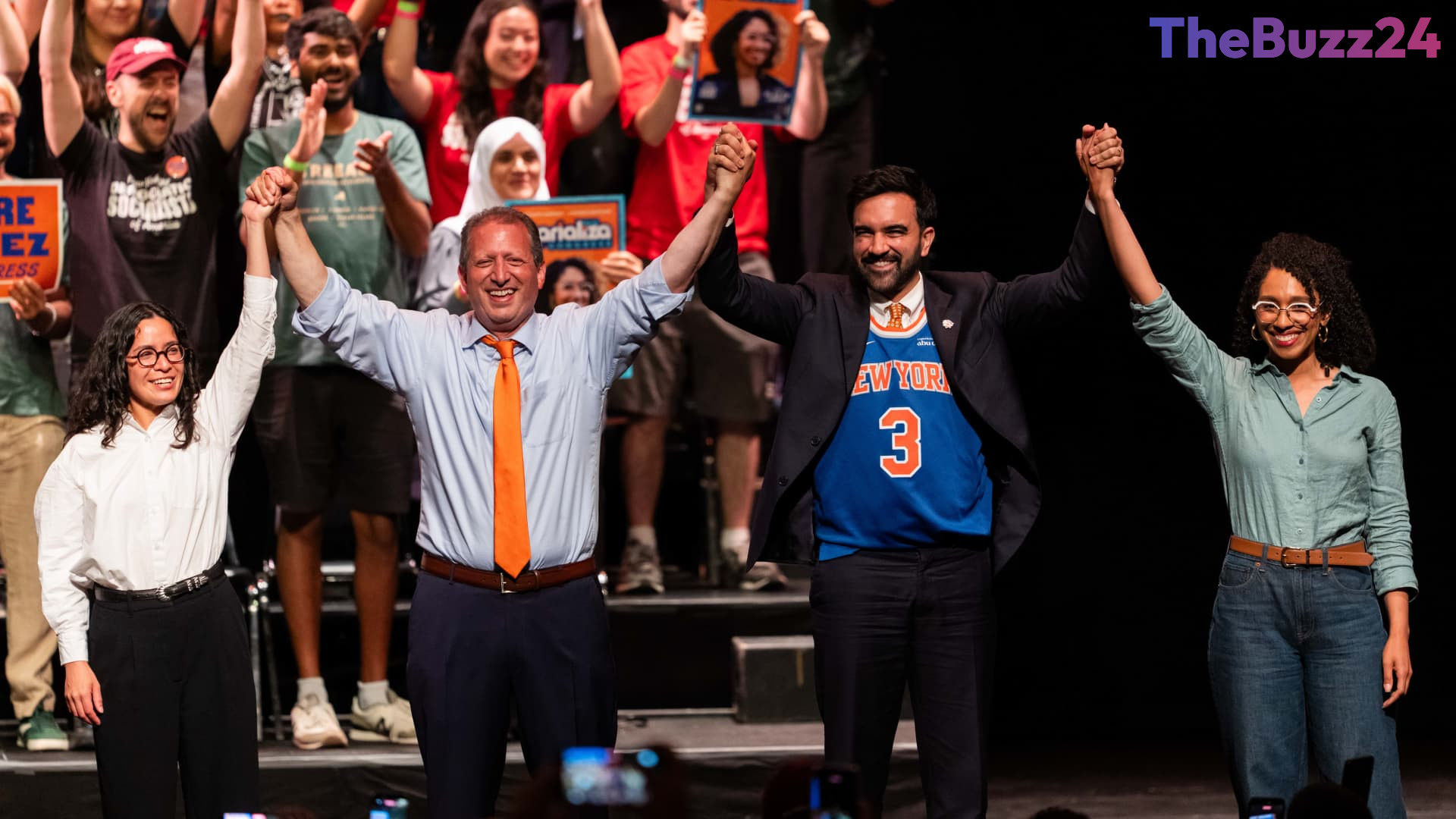
As New York City voters head to the polls for a series of high-stakes Democratic congressional primaries, prediction market participants are weighing in on the electoral influence of Mayor Zohran Mamdani. While the mayor himself is not on the ballot, his political capital is being tested through his endorsements of three specific candidates: Brad Lander, Claire Valdez, and Darializa Avila Chevalier. Traders on the prediction platform Kalshi currently anticipate a split outcome, projecting that two of the three candidates backed by the mayor are likely to secure their party’s nominations.
Market data suggests a strong path to victory for former New York City Comptroller Brad Lander in the 10th Congressional District and state Assemblymember Claire Valdez in the 7th District. Conversely, first-time candidate Darializa Avila Chevalier faces a more difficult path in the 13th District, where she is currently viewed as an underdog against incumbent Rep. Adriano Espaillat. These projections are derived from complex ‘combo contracts’ that track the collective success or failure of the mayor’s slate of candidates.
Beyond the mayor’s direct endorsements, the primary season has seen significant financial activity in the 12th Congressional District. The race has become a focal point for the technology sector, with massive spending from super PACs linked to major AI firms. While state Assemblymember Alex Bores has drawn substantial attention due to his stance on AI regulation, market participants currently favor his opponent, Micah Lasher, to win the nomination. It is important to note that these prediction market odds are distinct from traditional polling methodologies and serve as speculative indicators rather than definitive electoral forecasts.
Key Takeaways
- Prediction markets forecast that two out of three candidates endorsed by Mayor Zohran Mamdani are likely to win their respective Democratic primaries.
- The 12th Congressional District race has attracted millions in spending from AI-affiliated super PACs, though market traders currently favor Micah Lasher over Alex Bores.
- Prediction market odds are based on speculative trading contracts and should not be conflated with traditional scientific political polling.
Editor’s Analysis & Impact
The integration of prediction markets into political discourse represents a growing trend in how stakeholders analyze electoral risk and momentum. By quantifying political outcomes through financial incentives, these platforms provide a real-time sentiment gauge that often reacts faster than traditional polling. The significant capital influx from AI-focused super PACs in the 12th District highlights a broader trend: the increasing role of single-issue technology lobbying in local and congressional races. As AI regulation becomes a central pillar of legislative platforms, we can expect tech-sector spending to become a permanent fixture in primary elections. The outcome of these races will likely signal whether grassroots progressive endorsements or well-funded industry-backed campaigns hold more sway with the modern Democratic electorate, setting a precedent for future campaign strategies across the country.
Frequently Asked Questions
Q: What are prediction market 'combo contracts'?
A: Combo contracts are financial instruments on platforms like Kalshi where a trader bets on the collective outcome of multiple events—in this case, the success or failure of all three of Mayor Mamdani's endorsed candidates simultaneously.
Q: Are prediction market odds the same as political polls?
A: No. Prediction markets rely on the collective speculation of traders who are betting on outcomes, whereas traditional political polls use statistical sampling and demographic weighting to estimate voter intent.
AI Disclosure: This article is based on verified data and official reports. Our Team and AI have cross-referenced every financial detail with primary sources to ensure total accuracy.
More from this Category