UN Watchdog Affirms Access to Iran Nuclear Sites as Tehran Pushes Back
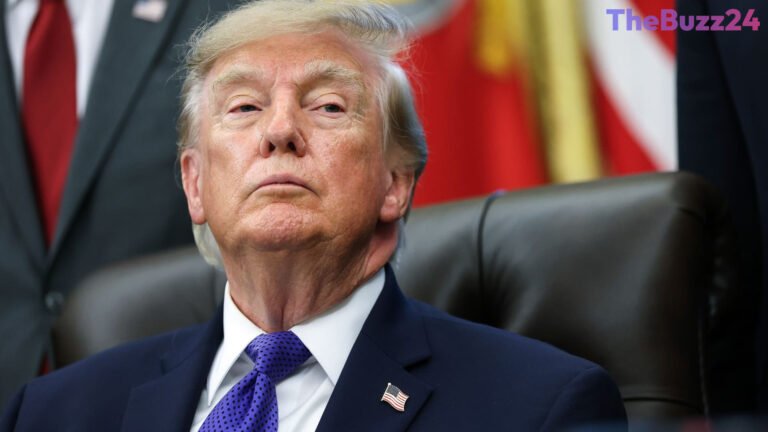
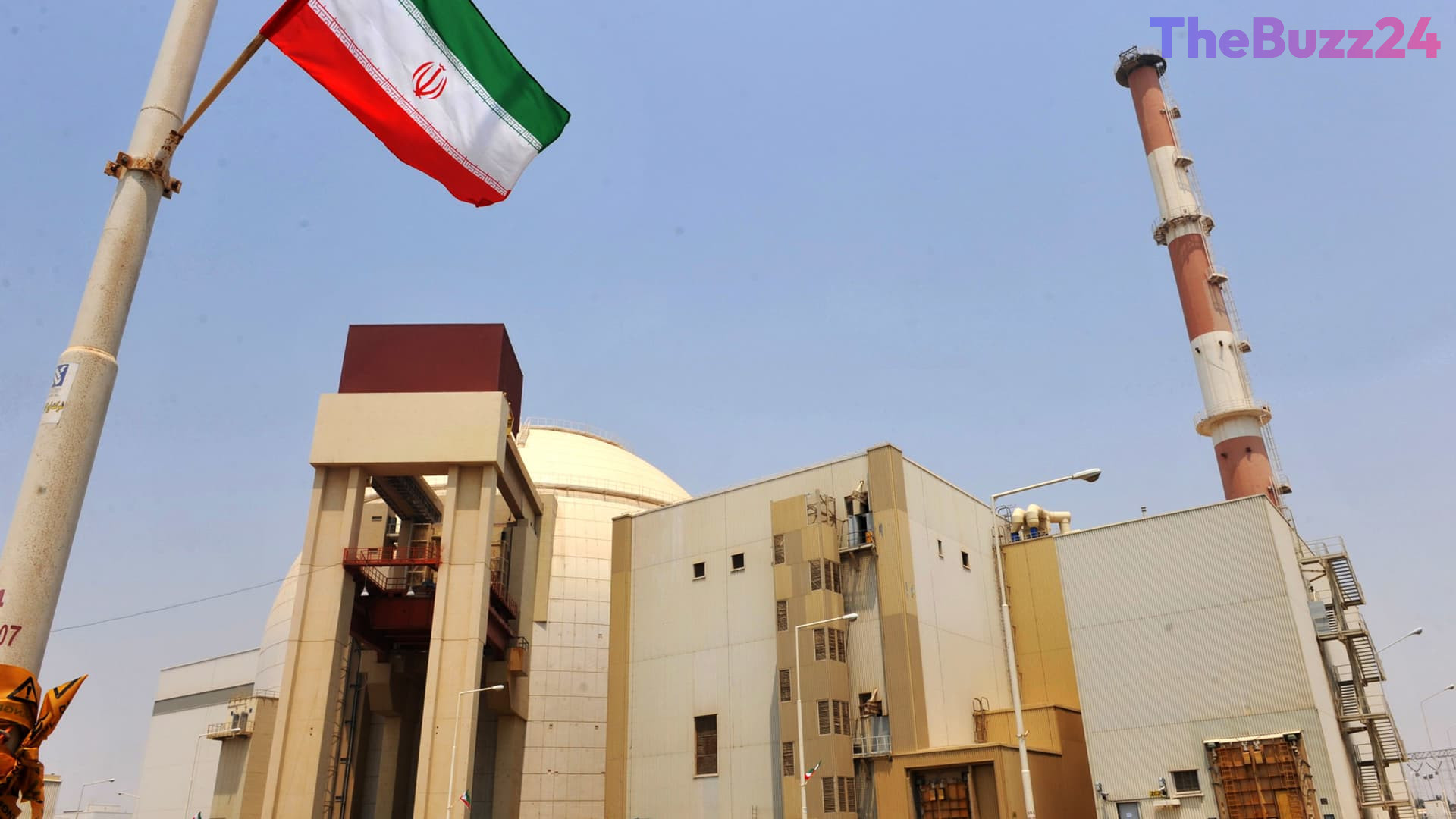
The head of the International Atomic Energy Agency (IAEA) has stated that an interim peace agreement between the United States and Iran grants international inspectors access to Iran’s nuclear facilities. This assertion by IAEA chief Rafael Grossi comes amidst conflicting statements, as U.S. President Donald Trump indicated Iran had agreed to inspections, while Tehran has denied any new commitment to allow UN inspectors into the country, particularly to sites reportedly damaged by U.S. and Israeli strikes.
Speaking from Japan, Grossi emphasized the necessity of inspections for effective supervision. “In order to supervise, we need to inspect. There is no other way,” he stated, acknowledging a “war of statements” surrounding the agreement. He confirmed that a Memorandum of Understanding (MOU) explicitly mandates IAEA supervision of the nuclear aspects, and technical work to facilitate this access has already commenced, with the agency hoping to deploy inspectors soon.
Beyond nuclear oversight, the interim peace deal, signed last week, aims to de-escalate the broader Middle East conflict. Key provisions include the reopening of the strategically vital Strait of Hormuz for 60 days, free of tolls, and a cessation of hostilities, particularly in Lebanon, where fighting has persisted between Israel and Iran-backed Hezbollah. The agreement has drawn scrutiny from critics who question its value after nearly four months of conflict and have drawn parallels to the Joint Comprehensive Plan of Action (JCPOA), the 2015 nuclear deal with Tehran that the Trump administration previously abandoned.
Former U.S. President Barack Obama, whose administration brokered the JCPOA, had expressed skepticism prior to the interim deal’s announcement, doubting any new agreement would significantly differ from the original. President Trump, however, has defended the MOU against detractors, dismissing critics as “jealous, bad people or stupid” for questioning his administration’s approach to Tehran.
Key Takeaways
- IAEA chief Rafael Grossi asserts that an interim U.S.-Iran peace deal includes provisions for international inspectors to access Iran's nuclear sites.
- Iran has publicly denied agreeing to new nuclear inspections, creating a direct contradiction with statements from the IAEA and U.S. President Donald Trump.
- The broader agreement also aims to end regional hostilities and reopen the Strait of Hormuz, drawing comparisons to the Obama-era JCPOA.
Editor’s Analysis & Impact
This interim U.S.-Iran peace deal, particularly the dispute over nuclear inspections, introduces significant uncertainty into global geopolitical stability. While the reopening of the Strait of Hormuz could offer temporary relief to oil markets and international shipping, the fundamental disagreement on nuclear access poses a substantial risk to the agreement’s long-term viability. The “war of statements” between Tehran and the IAEA/U.S. could quickly erode trust, potentially leading to renewed tensions and a breakdown of the fragile peace. For the non-proliferation regime, the clarity and enforceability of inspection protocols are paramount. The deal’s comparison to the JCPOA highlights the ongoing challenge of achieving a durable resolution to Iran’s nuclear program and its regional influence, suggesting that a comprehensive, mutually accepted framework remains elusive.
Frequently Asked Questions
Q: What is the core disagreement regarding the interim deal?
A: The primary disagreement centers on whether the interim peace deal grants international inspectors from the IAEA access to Iran's nuclear sites. The IAEA chief and U.S. President Donald Trump assert that it does, while Iran explicitly denies having agreed to new inspections.
Q: What other provisions are included in the U.S.-Iran interim peace deal?
A: Beyond the nuclear aspect, the deal includes agreements to reopen the strategically vital Strait of Hormuz toll-free for at least 60 days and to end all hostilities, particularly in Lebanon, where fighting has occurred between Israel and Iran-backed Hezbollah.
Q: How does this deal compare to the Joint Comprehensive Plan of Action (JCPOA)?
A: Critics and former U.S. President Barack Obama have drawn comparisons to the JCPOA, the 2015 nuclear deal with Iran that the Trump administration withdrew from. While the full details of the new interim deal's nuclear provisions are disputed, the comparison highlights ongoing debates about the effectiveness and scope of agreements with Tehran.
AI Disclosure: This article is based on verified data and official reports. Our Team and AI have cross-referenced every financial detail with primary sources to ensure total accuracy.
More from this Category