Minneapolis Fed President Signals Shift Toward Interest Rate Hike Amid Inflation Concerns
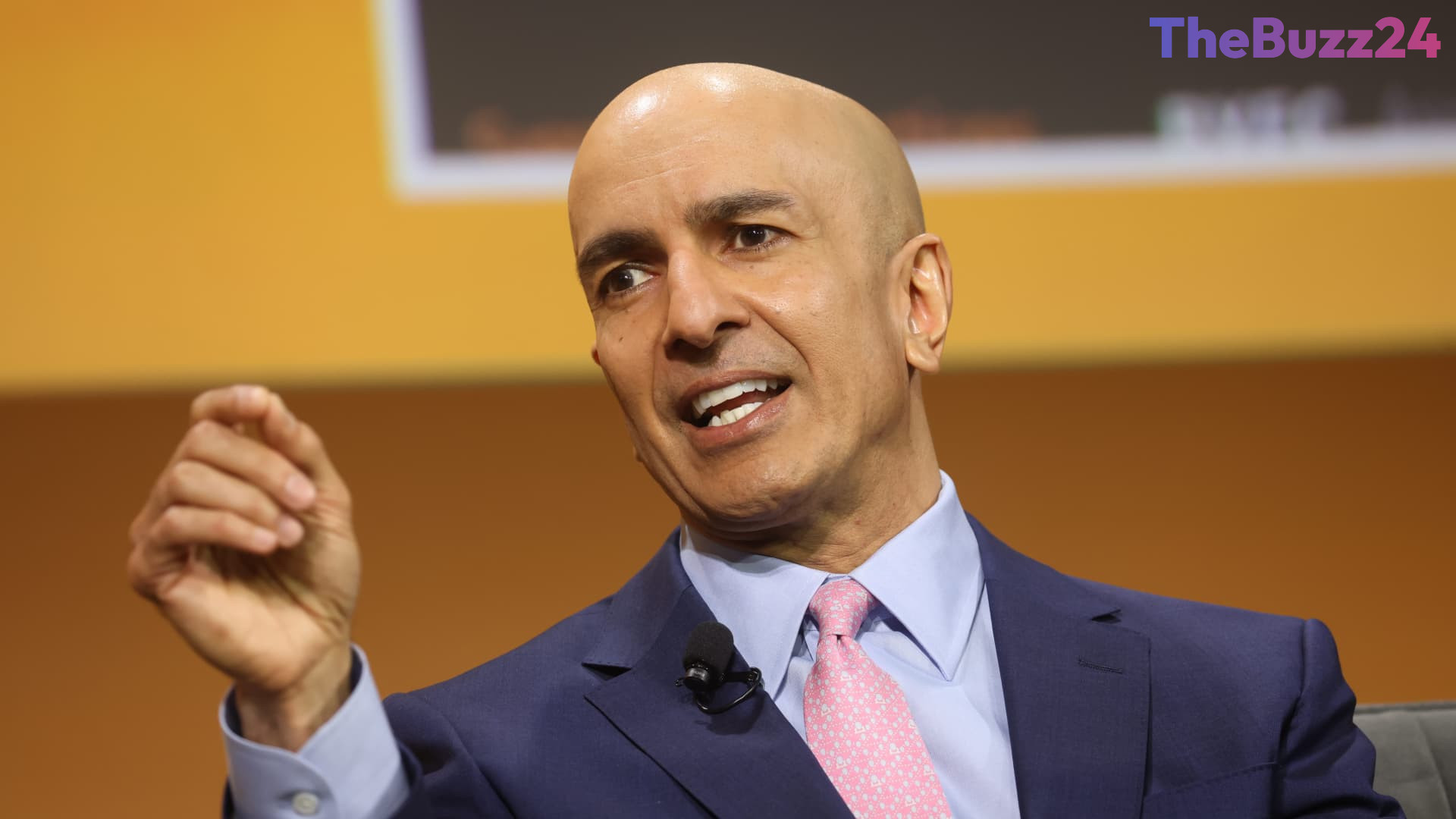
Minneapolis Federal Reserve President Neel Kashkari has signaled a notable shift in his monetary policy outlook, now anticipating that at least one interest rate increase will be required before the end of the year. This adjustment marks a departure from his previous projection in March, which had penciled in a potential rate cut. Kashkari emphasized that while his current forecast is subject to change based on incoming economic data, the persistent nature of inflationary pressures has necessitated a more hawkish stance.
The decision to pivot toward a potential hike follows recent data from the Commerce Department, which indicated that headline inflation has climbed to 4.1%, the highest level since April 2023. Core inflation, which excludes volatile food and energy costs, has similarly reached 3.4%. These figures remain well above the Federal Reserve’s long-standing 2% target, a threshold that has proven difficult to maintain for the past five years.
Kashkari attributed much of the ongoing economic strain to supply-side disruptions and geopolitical instability. He specifically pointed to tensions in the Middle East and their impact on energy markets, as well as the inflationary effects of massive capital investments in data centers and infrastructure. Furthermore, he expressed skepticism regarding the stability of international agreements, suggesting that supply chain vulnerabilities and trade-related cost increases continue to pose significant risks to price stability.
As a voting member of the Federal Open Market Committee, Kashkari’s perspective highlights the ongoing debate within the central bank. While some of his colleagues remain optimistic that inflation will naturally ease, Kashkari’s focus on supply dynamics and geopolitical volatility suggests a cautious approach that prioritizes curbing inflation over immediate monetary easing.
Key Takeaways
- Minneapolis Fed President Neel Kashkari has shifted his outlook from expecting a rate cut to anticipating a rate hike by the end of the year.
- Recent data shows headline inflation at 4.1%, significantly higher than the Federal Reserve's 2% target.
- Kashkari cites geopolitical instability in the Middle East, supply chain disruptions, and heavy investment in data center infrastructure as primary drivers of persistent inflation.
Editor’s Analysis & Impact
Kashkari’s pivot underscores the growing divide within the Federal Reserve regarding the path of interest rates. By highlighting supply-side factors—such as infrastructure investment and geopolitical energy risks—rather than just demand-side pressures, he is signaling that traditional interest rate tools may face limitations in the current economic environment. This shift suggests that the ‘higher for longer’ narrative remains a potent reality for markets. Investors should anticipate increased volatility as the Fed balances the need to combat stubborn inflation against the risk of stifling growth in sectors like technology and construction. The broader implication is that the central bank is becoming increasingly reactive to global supply chain shocks, which could lead to a more unpredictable policy trajectory throughout the remainder of the year.
Frequently Asked Questions
Q: Why did Neel Kashkari change his stance on interest rates?
A: Kashkari changed his outlook due to persistent inflation, which has reached 4.1%, and ongoing concerns regarding supply chain disruptions, geopolitical instability in the Middle East, and rising costs associated with large-scale infrastructure investments.
Q: What is the Federal Reserve's target inflation rate?
A: The Federal Reserve maintains a long-term goal of 2% inflation to ensure price stability and support maximum employment.
AI Disclosure: This article is based on verified data and official reports. Our Team and AI have cross-referenced every financial detail with primary sources to ensure total accuracy.
More from this Category