The Battle for Tickets: Why Anti-Bot Laws and Tech Defenses Are Failing Consumers
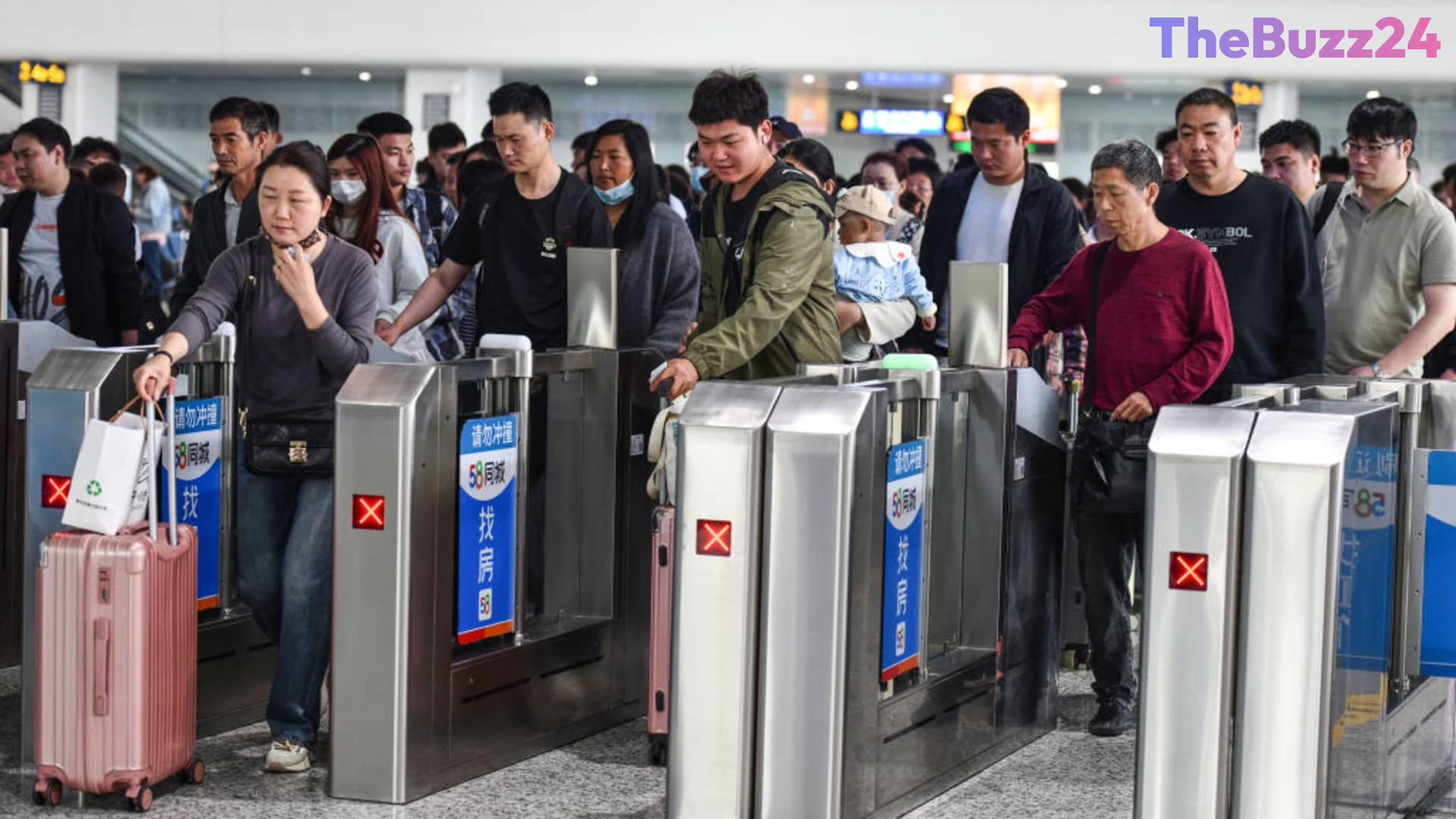
The frustration of securing tickets for high-demand events has reached a boiling point as automated buying programs, commonly known as bots, dominate the market. These sophisticated scripts can purchase thousands of seats in a matter of seconds, leaving genuine fans empty-handed and forcing them onto secondary markets where prices are heavily inflated. This issue is no longer confined to high-profile concerts; it has increasingly bled into everyday services, including public transit and train reservations, disrupting basic consumer access globally.
In response to growing public outrage, governments worldwide are tightening regulations. South Korea recently expanded its anti-scalping laws to penalize automated ticket-buying activities that disrupt fair distribution. Similarly, Chinese market regulators have cracked down on third-party platforms utilizing automated ticket-grabbing software, summoning major tech firms—including JD.com, Tencent, Alibaba’s Fliggy, Meituan, and Ctrip—for regulatory talks following intense public criticism over train ticket sales. During the first quarter of 2026 alone, China’s railway network handled over 1.13 billion trips, highlighting the massive scale of the market vulnerable to these automated exploits.
Despite these legislative efforts, experts warn that laws alone cannot solve the problem. Tech security specialists point out that modern scalping networks are highly sophisticated, mimicking human behavior to bypass traditional security filters. Detecting these bots requires analyzing complex patterns in user data, such as transaction speeds, payment signals, and credit card activity. Major ticketing platforms like Ticketmaster actively block automated software and shut down suspicious accounts, but they acknowledge that brute-force attacks are only one facet of a highly organized, evolving threat.
Ultimately, the ticket crisis is driven by a fundamental imbalance between supply and demand, compounded by industry practices. When demand vastly outstrips supply, resale prices skyrocket—as seen during Taylor Swift’s “Eras” tour, where tickets originally priced under $500 were listed for up to $20,000 on secondary platforms. Furthermore, major players face intense scrutiny over their market dominance and pricing transparency. Live Nation recently settled a $9.9 million lawsuit with the District of Columbia over allegations of deceptive pricing and hidden fees. Until structural issues, pricing strategies, and platform transparency are addressed alongside technological defenses, scalpers—rather than artists, organizers, or fans—will continue to reap the financial rewards.
Key Takeaways
- Automated bots are expanding beyond concert ticketing into essential public services like train reservations, prompting global regulatory crackdowns.
- Legislative bans are insufficient on their own, as sophisticated scalping networks continuously evolve to mimic human purchasing behaviors.
- The root of the issue lies in extreme supply-demand imbalances and industry-wide transparency problems, which allow secondary resellers to capture the majority of the profit.
Editor’s Analysis & Impact
The ticketing crisis highlights a critical failure in digital commerce infrastructure, where traditional security measures are failing to keep pace with automated exploitation. As bots become more sophisticated, the financial burden is shifted entirely onto the consumer, threatening the accessibility of live entertainment and essential public services alike. From an industry perspective, the persistence of the secondary resale market proves that primary ticket pricing is artificially low compared to true market demand. However, raising face-value prices to market-clearing levels risks alienating core fanbases. Moving forward, the industry must transition toward decentralized, non-transferable digital ticketing systems and unified regulatory frameworks. Without a coordinated effort combining advanced behavioral AI detection, strict legal penalties, and transparent pricing models, the economic benefits of live events will continue to be siphoned away from artists and creators into the hands of predatory scalping syndicates.
Frequently Asked Questions
Q: Why are anti-bot laws proving ineffective at stopping ticket scalpers?
A: While laws establish penalties, enforcement is incredibly difficult because scalping networks operate globally and use highly sophisticated software that mimics human behavior, making them hard to distinguish from genuine buyers.
Q: What measures are ticketing platforms taking to combat automated buying?
A: Platforms are moving beyond simple CAPTCHAs to analyze complex user data patterns, including transaction speeds, purchasing history, and credit card activity, while also canceling accounts that violate purchasing limits.
Q: How does the supply and demand imbalance contribute to the scalping problem?
A: For major events, the demand for tickets vastly exceeds the physical capacity of venues. Because organizers often price tickets below their true market value to keep them accessible, scalpers exploit this gap by buying them up and reselling them at market-clearing prices.
AI Disclosure: This article is based on verified data and official reports. Our Team and AI have cross-referenced every financial detail with primary sources to ensure total accuracy.
More from this Category