Tensions Explode in Middle East as US Strikes Iran and Gulf Allies Face Missile Barrage
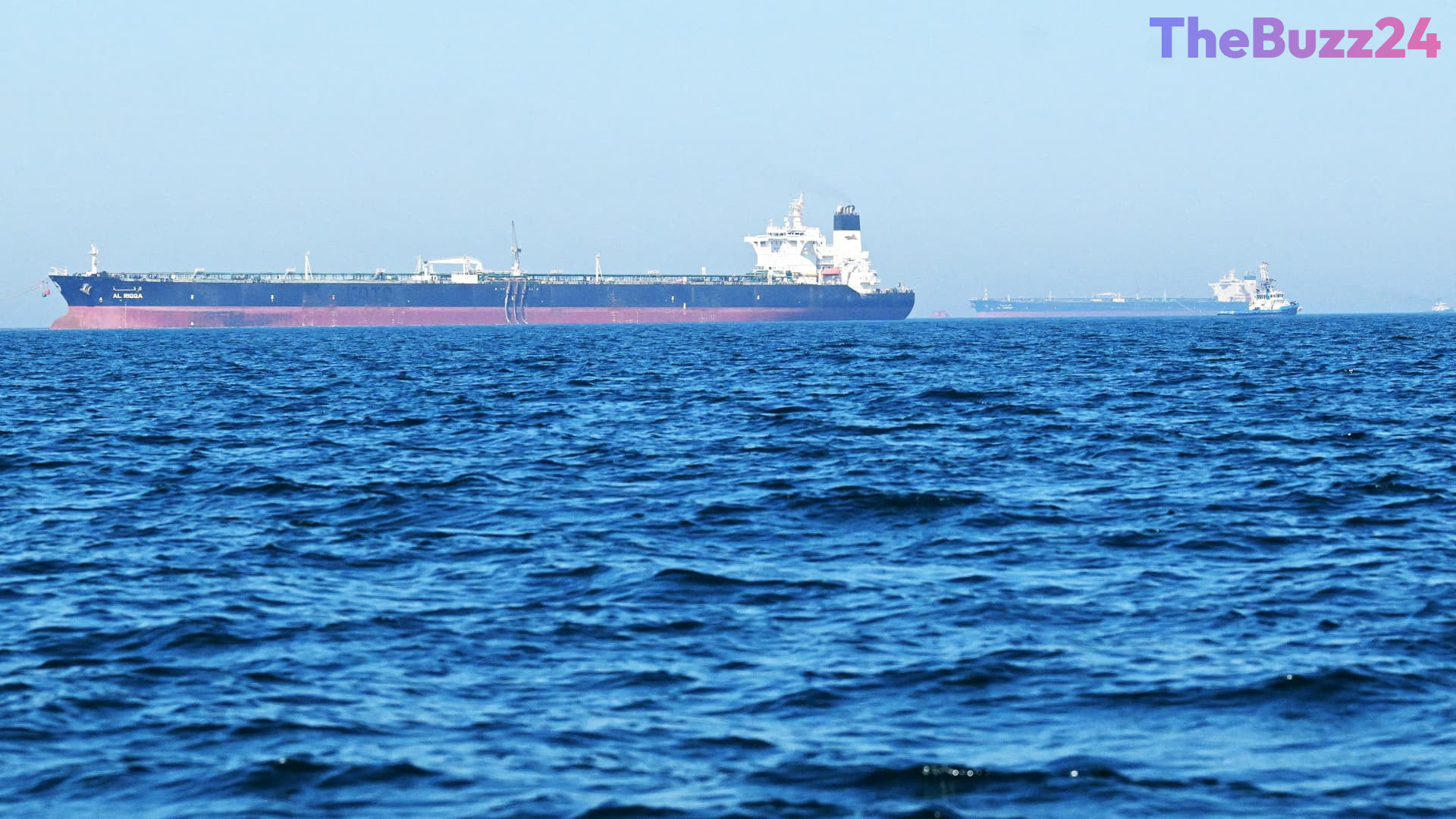
Military hostilities between the United States and Iran have escalated dramatically, threatening to shatter a fragile 60-day ceasefire agreement. Following a series of retaliatory strikes, President Donald Trump issued a stark warning, stating that continued aggression could lead to the complete military destruction of the Iranian state. The latest flare-up began after the U.S. military launched targeted airstrikes against ten Iranian military installations, including drone storage facilities, air defense sites, and coastal radar systems. These strikes were executed in response to a projectile attack on the Panamanian-flagged oil tanker, M/T Kiku, which was transporting over two million barrels of crude oil through the strategically vital Strait of Hormuz.
In immediate retaliation to the American airstrikes, Iran launched a barrage of ballistic missiles and drones targeting U.S. military assets located in neighboring Kuwait and Bahrain. Both Gulf nations confirmed the incoming attacks, with Kuwait’s military deploying air defense systems to intercept the hostile threats. Bahrain’s Ministry of Foreign Affairs strongly condemned the strikes, labeling them a deliberate and systematic pattern of aggression rather than an isolated incident. Regional neighbors, including Saudi Arabia, the United Arab Emirates, and Qatar, united in their condemnation of Iran’s actions, calling them a direct violation of national sovereignty and international maritime law.
This rapid escalation severely jeopardizes the recently signed memorandum of understanding between President Trump and Iranian President Masoud Pezeshkian, which was intended to establish a framework for a permanent peace treaty. Both Washington and Tehran have repeatedly accused each other of violating the interim truce. Despite the intense military friction in the critical shipping corridor, commercial maritime traffic has managed to persist. Surprisingly, global energy markets reacted with a downward trend, as Brent crude and West Texas Intermediate (WTI) futures both fell by around four percent, driven by an easing of immediate supply anxieties as tankers successfully navigated out of the high-risk zone.
Key Takeaways
- The U.S. launched retaliatory airstrikes on 10 Iranian military targets following an attack on an oil tanker in the Strait of Hormuz.
- Iran responded by targeting U.S. military installations in Kuwait and Bahrain with missiles and drones, drawing widespread regional condemnation.
- The military escalation threatens to completely derail a fragile 60-day ceasefire and peace negotiations between President Trump and Iranian President Pezeshkian.
Editor’s Analysis & Impact
The rapid breakdown of the U.S.-Iran ceasefire highlights the extreme volatility of diplomatic efforts in the Persian Gulf. While the memorandum of understanding signed by Trump and Pezeshkian offered a brief glimmer of hope for regional stability, deep-seated mistrust and proxy actions have quickly dragged both nations back to the brink of open conflict. For global markets, the immediate reaction of falling oil prices suggests that traders are currently prioritizing the physical movement of existing inventory out of the Strait of Hormuz over long-term geopolitical risk. However, this market calm is likely temporary. If Iran continues to target commercial shipping or if U.S. retaliatory strikes expand to critical infrastructure, energy markets could experience severe supply disruptions, driving crude prices rapidly upward and triggering broader inflationary pressures worldwide.
Frequently Asked Questions
Q: What triggered the latest round of military strikes between the U.S. and Iran?
A: The escalation was sparked by a projectile attack on the Panamanian-flagged oil tanker M/T Kiku in the Strait of Hormuz. In response, the U.S. military struck ten Iranian military targets, prompting Iran to launch retaliatory missile and drone strikes against U.S. assets in Kuwait and Bahrain.
Q: How have neighboring Gulf countries reacted to the conflict?
A: Kuwait and Bahrain actively defended against the incoming Iranian strikes, with Bahrain condemning the actions as systematic aggression. Saudi Arabia, the UAE, and Qatar also strongly denounced the attacks as violations of sovereignty and threats to international maritime freedom.
Q: What is the status of the peace talks between the U.S. and Iran?
A: The two nations are currently under a 60-day ceasefire agreement intended to pave the way for a permanent peace deal. However, both sides have repeatedly accused each other of violating the terms, leaving the future of the negotiations highly uncertain.
AI Disclosure: This article is based on verified data and official reports. Our Team and AI have cross-referenced every financial detail with primary sources to ensure total accuracy.
More from this Category