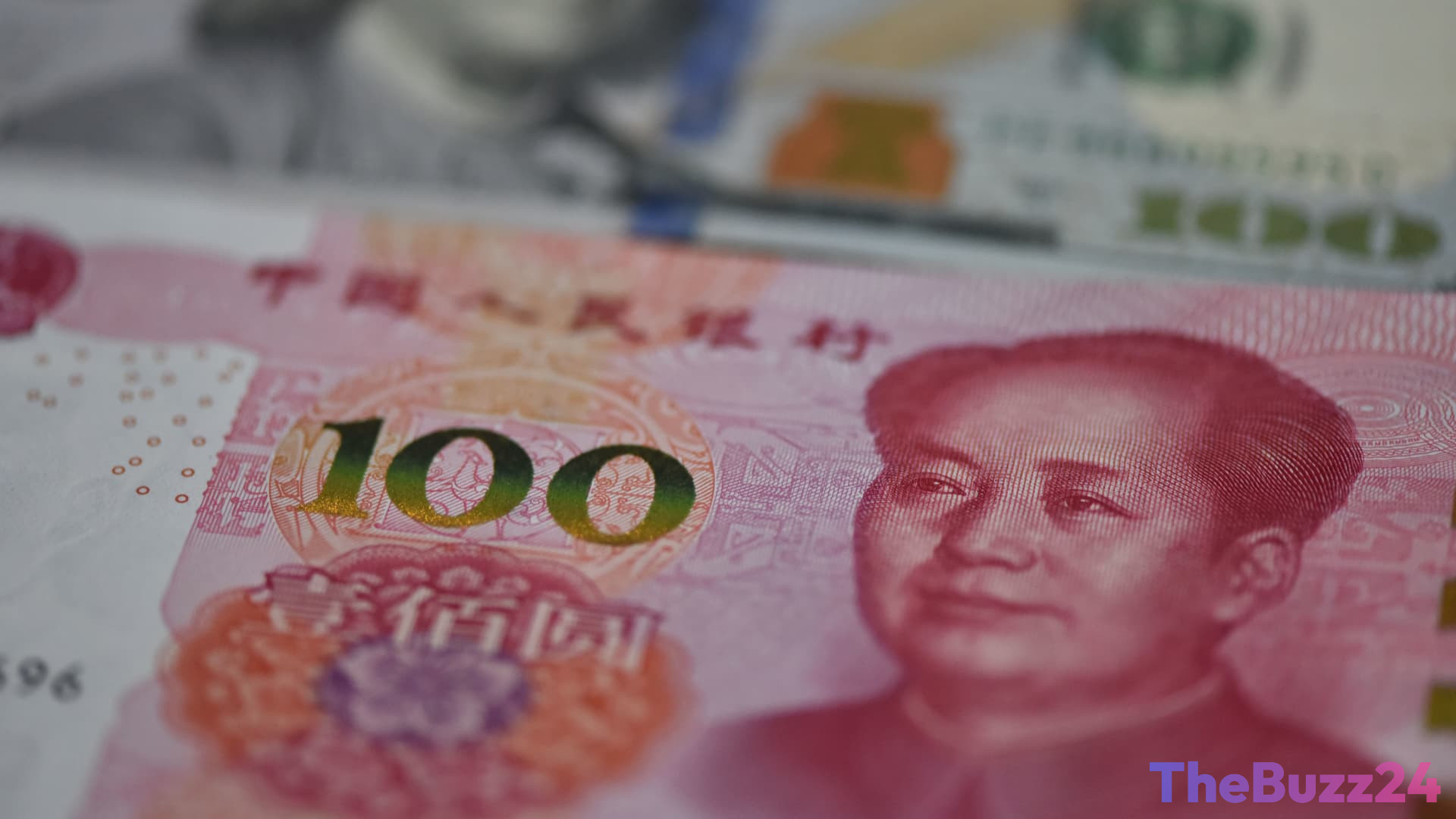
China Accelerates Drive for Global Financial Alternatives, Challenging Dollar Dominance
China is systematically advancing its long-term strategy to reduce global reliance on the U.S. dollar, a move poised to have significant geopolitical consequences. Rather than aiming for an immediate replacement of the dollar, Beijing is methodically constructing the financial infrastructure necessary to offer viable alternatives within the global system.
This strategic direction was prominently highlighted at the recent Lujiazui Forum in Shanghai, China’s premier financial policy conference. During the forum, Chinese officials unveiled a series of measures designed to bolster offshore renminbi (RMB) finance, enhance Shanghai’s standing as an international financial hub, establish new liquidity facilities for foreign central banks and sovereign investors, expand cross-border RMB trading, and further open segments of China’s financial sector to international participation. These initiatives are not merely aspirational; they are integral to the first year of implementation of China’s 15th Five-Year Plan, signaling a robust commitment to elevating finance as a national strategic objective.
For nearly eight decades, the United States has leveraged the dollar’s central role in global finance to exert considerable statecraft, including sanctions and influence over capital flows. China, acutely aware of this power concentration, has spent two decades internationalizing the renminbi through trade settlement programs, offshore clearing centers, currency swap arrangements, and alternative payment infrastructure. The current efforts are a continuation of this methodical determination, aiming to reduce China’s exposure to U.S. financial leverage and grant it greater strategic freedom on the international stage.
While some investors may view these developments as positive for market access, the underlying geopolitical risks are likely to intensify. Many countries, particularly in the Global South, the Middle East, and even some allies, are increasingly welcoming these alternatives. Concerns over sanctions enforcement, trade policy disputes, and the broader implications of dollar ‘weaponization’ have spurred a desire for greater strategic flexibility. China’s objective is to create enough viable alternatives so that nations are no longer compelled to rely exclusively on the dollar-based system, thereby achieving a strategic victory without necessarily dethroning the dollar entirely.
Key Takeaways
- China is methodically building financial infrastructure to reduce global dependence on the U.S. dollar, rather than seeking its immediate replacement.
- Recent measures announced at the Lujiazui Forum, embedded in China's 15th Five-Year Plan, aim to expand offshore renminbi finance and strengthen Shanghai as an international financial center.
- Beijing's objective is to create viable alternatives to the dollar-centric system, offering strategic flexibility to other nations and reducing U.S. financial leverage.
Editor’s Analysis & Impact
China’s accelerated push for global financial alternatives marks a significant shift in the international economic landscape. For markets, this implies a gradual diversification of international reserves and trade settlement currencies, potentially leading to a more multi-polar financial system. Financial institutions and investors will need to adapt to increased competition and potentially navigate new regulatory frameworks as China expands its financial influence. The future outlook suggests a steady, incremental erosion of the dollar’s exclusive dominance, with the renminbi gaining traction as a significant alternative, particularly within the Global South and regions aligned with China’s Belt and Road Initiative. Broader implications include a recalibration of global power dynamics, potentially reducing the efficacy of U.S. sanctions, and offering greater strategic autonomy to nations seeking to diversify their financial dependencies. This long-term strategy underscores a fundamental geopolitical reordering.
Frequently Asked Questions
Q: What is China's primary goal regarding the U.S. dollar?
A: China's main objective is not necessarily to replace the U.S. dollar entirely but to build a robust alternative financial infrastructure. This aims to reduce global reliance on a dollar-centric system and offer other nations greater strategic flexibility.
Q: What measures is China taking to achieve its financial goals?
A: China is expanding offshore renminbi (RMB) finance, deepening Shanghai's role as an international financial center, creating new liquidity facilities for foreign central banks, and opening portions of its financial sector to international participation. These efforts are integrated into its 15th Five-Year Plan.
Q: Why are other countries interested in China's financial alternatives?
A: Geopolitical events, concerns over sanctions, and broader questions about dollar 'weaponization' have encouraged many governments, particularly in the Global South, to seek greater strategic flexibility and reduce excessive dependence on any single financial system.
AI Disclosure: This article is based on verified data and official reports. Our Team and AI have cross-referenced every financial detail with primary sources to ensure total accuracy.
More from this Category