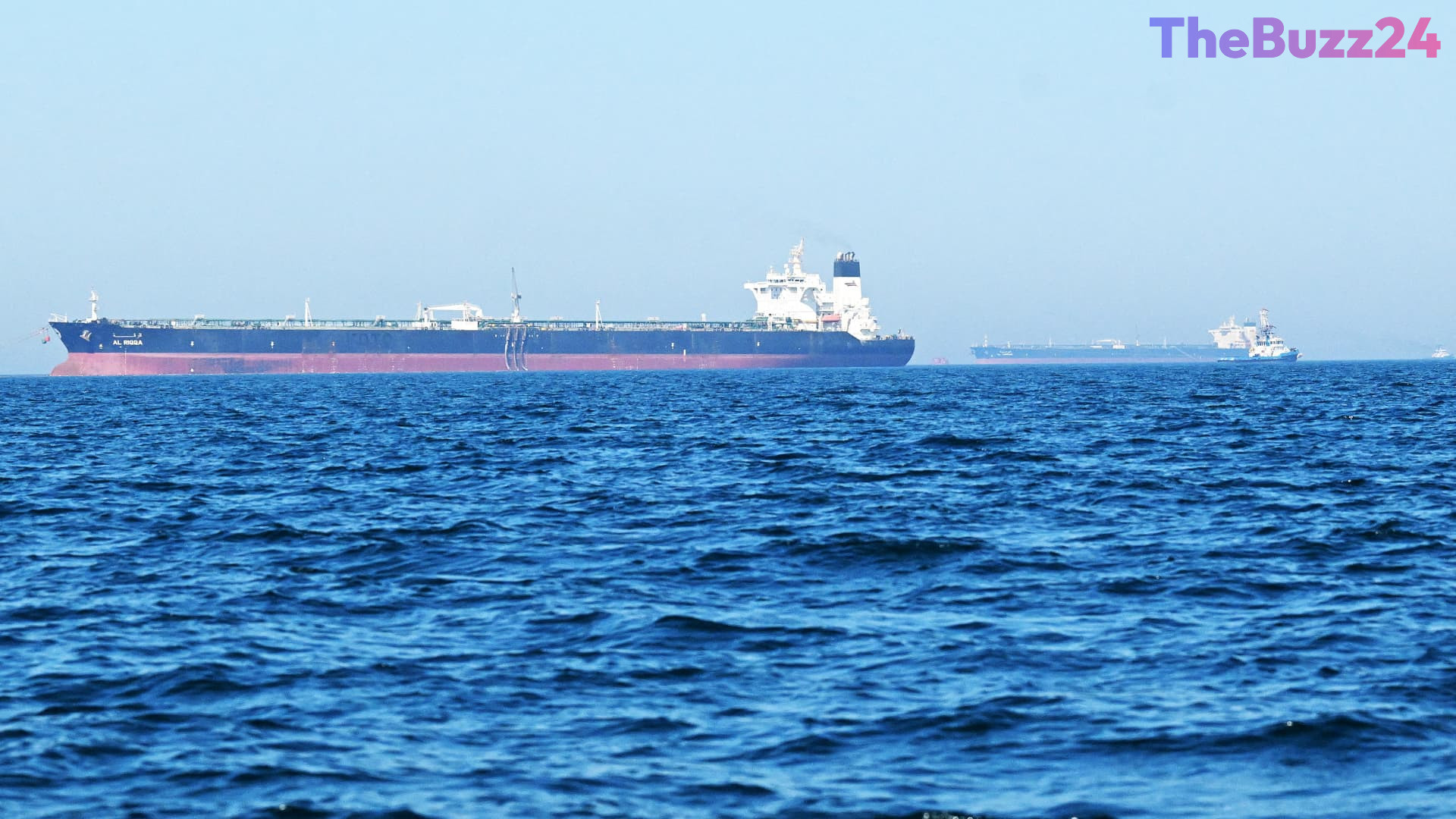
Oil Market Stability Faces Hurdles as Strait of Hormuz Remains a Volatile Chokepoint
Oil prices have retreated toward $70 per barrel, signaling a return to pre-war levels following a fragile ceasefire between the U.S. and Iran. While this cooling of prices suggests a market recovery, commodity strategists warn that the current optimism may be premature. Persistent supply-side risks, particularly regarding the critical Strait of Hormuz, continue to loom over the global energy sector, potentially setting the stage for a price rebound as importers scramble to replenish depleted inventories.
Despite the diplomatic truce, shipping activity through the Strait of Hormuz remains far from normal. Industry experts note that many shipping companies are hesitant to resume standard operations due to lingering concerns over sea mines, unclear peace terms, and prohibitively high war-risk insurance premiums. Furthermore, Iran appears intent on maintaining leverage over the waterway, creating a complex environment where companies fear that direct coordination could lead to future sanctions violations. This uncertainty has forced some operators to adopt opaque practices, such as disabling vessel transponders to avoid detection.
Looking ahead, the market is shifting its focus from immediate supply disruptions to the logistical challenge of rebuilding global oil stocks. Analysts suggest that even if shipping flows improve, the demand for inventory replenishment will likely keep prices supported within a range of $75 to $85 per barrel in the coming years. As insurers remain cautious and the geopolitical status quo in the region remains fluid, the energy market is expected to navigate a period of sustained volatility rather than a swift return to historical norms.
Key Takeaways
- Oil prices have stabilized near $70 per barrel, but analysts warn that markets are underestimating persistent shipping risks in the Strait of Hormuz.
- High insurance premiums and fears of sanctions are discouraging shipping companies from returning to normal transit patterns despite the ceasefire.
- Global demand for inventory replenishment is expected to keep oil prices range-bound between $75 and $85 in the near term.
Editor’s Analysis & Impact
The current oil market is caught in a transition phase between crisis-driven volatility and a new, uncertain equilibrium. While the immediate threat of total supply disruption has subsided, the structural changes in the Strait of Hormuz represent a long-term risk premium that the market has yet to fully price in. Iran’s strategic posturing, combined with the reluctance of Western insurers to lower premiums, suggests that the ‘cost of doing business’ in this region has permanently increased. Investors should anticipate a ‘range-bound’ market where supply-side constraints are offset by the massive global effort to rebuild strategic reserves. The primary implication is that energy security will remain a top priority for importers, likely leading to higher baseline prices and a continued reliance on complex, often opaque, shipping logistics for the foreseeable future.
Frequently Asked Questions
Q: Why are shipping companies still avoiding the Strait of Hormuz despite the ceasefire?
A: Companies remain wary due to lingering concerns over sea mines, the high cost of war-risk insurance, and the fear that coordinating with Iranian authorities could expose them to future international sanctions.
Q: What is the expected price range for oil in the coming years?
A: Analysts suggest that as global importers work to rebuild their depleted inventories, oil prices are likely to remain in a range between $75 and $85 per barrel.
AI Disclosure: This article is based on verified data and official reports. Our Team and AI have cross-referenced every financial detail with primary sources to ensure total accuracy.
More from this Category