Russian Energy Infrastructure Under Pressure Following Targeted Drone Strikes
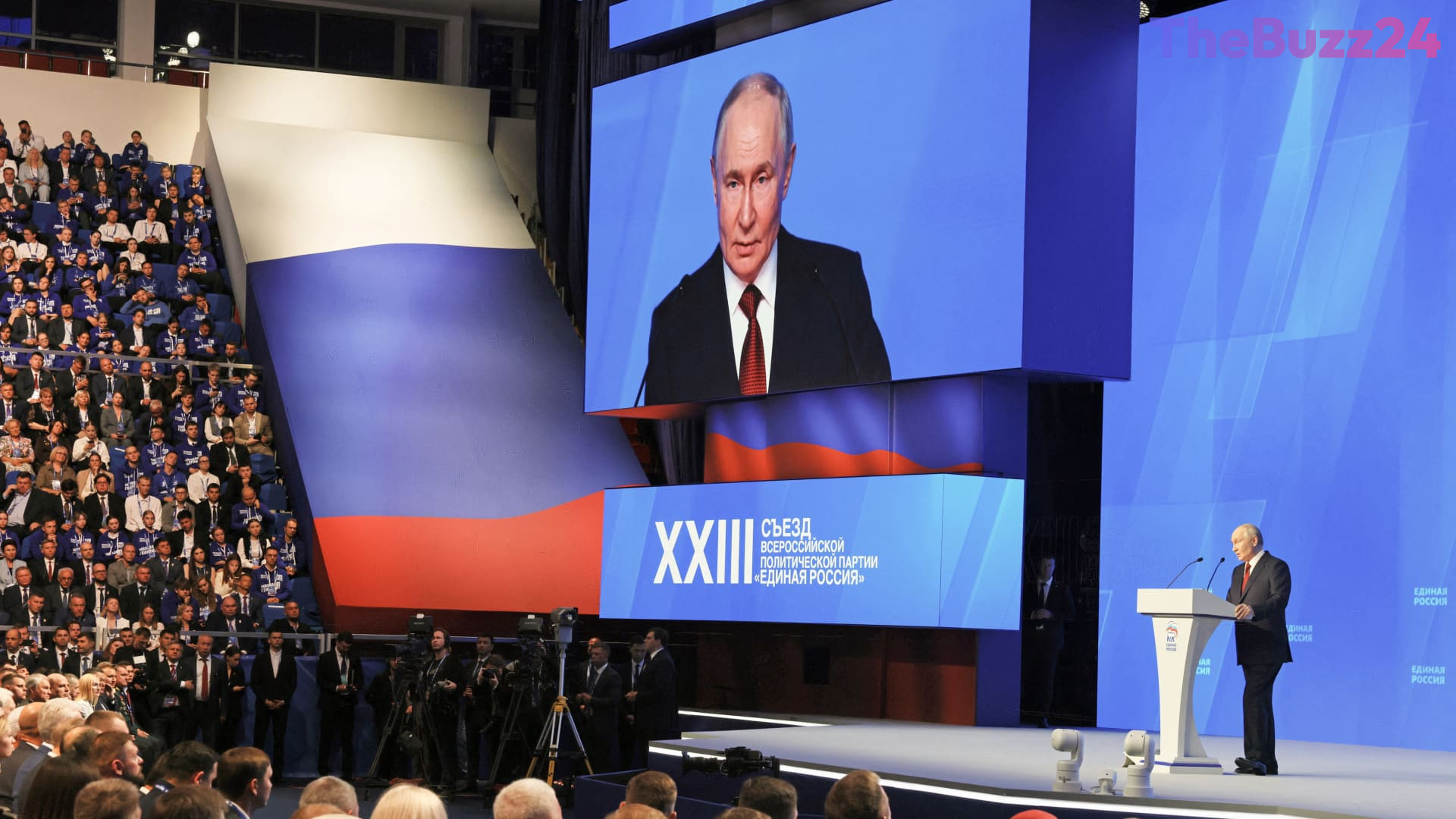
Russian President Vladimir Putin has publicly acknowledged that the nation is grappling with fuel shortages, a rare admission that highlights the growing impact of long-range Ukrainian drone strikes on critical energy infrastructure. These targeted operations have successfully disrupted oil production facilities, forcing the Kremlin to consider emergency measures, including increased fuel imports and the acceleration of repair efforts at damaged refineries.
While the Russian leadership maintains that the situation remains under control and that damaged facilities are being restored, the logistical strain is becoming increasingly visible. Reports of queues at petrol stations and discussions regarding potential bans on diesel exports underscore the economic friction caused by these strikes. The campaign, which has reached deep into Russian territory, aims to diminish Moscow’s energy revenues and disrupt the logistical support for its ongoing military operations.
Economic analysts have noted that the sustained pressure on the fuel sector is likely to weigh on Russia’s broader economic performance. With central bank officials suggesting that operating below full capacity will impact GDP growth, the long-term sustainability of the energy sector remains a point of concern. As Ukraine continues to intensify its strike capabilities, the Kremlin faces the dual challenge of bolstering air defenses to protect its industrial assets while attempting to maintain a facade of domestic stability.
Key Takeaways
- President Putin has officially acknowledged fuel shortages resulting from Ukrainian drone strikes on Russian oil infrastructure.
- The Kremlin is responding by expediting facility repairs and considering restrictions on diesel exports to stabilize domestic supply.
- Economic experts warn that prolonged disruptions in the energy sector are likely to negatively impact Russia's GDP growth projections.
Editor’s Analysis & Impact
The admission of fuel shortages by the Russian leadership marks a significant shift in the narrative surrounding the conflict’s impact on the domestic economy. By targeting the backbone of Russia’s revenue stream—its oil refineries—Ukraine has successfully moved the theater of economic warfare deep into Russian territory. The broader implication is a potential degradation of Russia’s fiscal resilience, as the cost of repairing complex infrastructure and the loss of export revenue compound. Future market outlooks suggest that if these strikes continue to successfully bypass air defenses, the resulting supply chain volatility could lead to sustained inflationary pressure within Russia. This strategy forces the Kremlin to divert resources from the front lines to domestic infrastructure protection, potentially altering the strategic calculus of the war in the coming months.
Frequently Asked Questions
Q: Why is Russia experiencing fuel shortages?
A: The shortages are primarily attributed to a series of long-range Ukrainian drone strikes that have damaged key oil refineries and disrupted domestic fuel production and distribution.
Q: How is the Russian government responding to the energy infrastructure damage?
A: The government is working to expedite repairs at damaged facilities, increasing fuel imports, and considering a full ban on diesel exports to ensure domestic supply remains stable.
AI Disclosure: This article is based on verified data and official reports. Our Team and AI have cross-referenced every financial detail with primary sources to ensure total accuracy.
More from this Category