Kobo Partners with StoryGraph to Challenge Amazon’s Kindle-Goodreads Monopoly
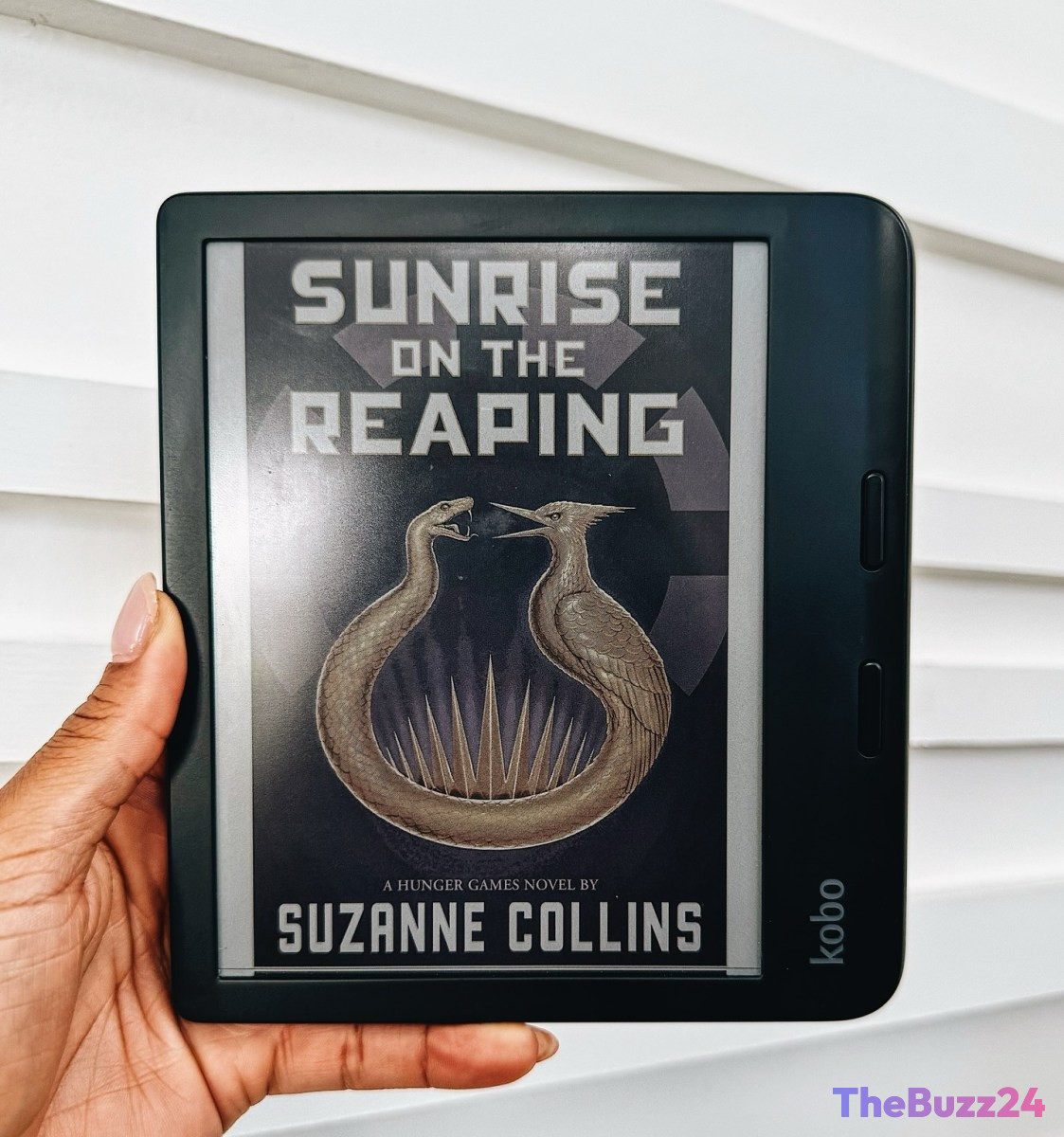
Rakuten’s Kobo has officially launched a direct integration with the independent book-tracking platform StoryGraph. This partnership allows Kobo e-reader users to automatically sync their reading progress, marking books and audiobooks as completed on their StoryGraph accounts. The integration, which was first teased in May, is now live globally for all Kobo account holders, marking a significant step forward in offering a viable alternative to Amazon’s dominant e-reading ecosystem.
For years, Amazon has maintained a tight grip on the digital reading market by pairing its Kindle hardware with Goodreads, the massive social cataloging website it acquired in 2013. While several independent tracking platforms have emerged to challenge Goodreads, they have historically struggled to gain traction due to a lack of seamless hardware integration. The new tie-up between Kobo and StoryGraph directly addresses this hurdle, allowing users to bypass manual entry and automatically update their reading statistics across devices and apps.
StoryGraph, founded in 2019 by Nadia Odunayo and Rob Frelow, has grown organically without external funding to serve over 5 million readers. The platform is highly regarded for its deep analytical insights, offering users detailed charts on reading pace, moods, and genres, alongside community features like reading streaks and book clubs. By partnering with Kobo, which boasts a user base of 12 million across 190 countries, StoryGraph is positioned to significantly expand its reach amid a broader cultural resurgence in reading, fueled by social media trends like “BookTok.”
This collaboration is part of a broader shift in the digital publishing landscape as companies seek to build more integrated reading communities. For instance, digital subscription service Everand recently acquired the book club app Fable to create a similar ecosystem. The Kobo-StoryGraph integration is free for all users, though StoryGraph continues to offer a premium tier for advanced analytics, signaling a growing demand for personalized, data-driven reading experiences outside of Amazon’s walled garden.
Key Takeaways
- Kobo has integrated with StoryGraph, allowing users to automatically sync their e-book and audiobook reading progress.
- This partnership represents the first major hardware integration for an independent Goodreads competitor, challenging Amazon's Kindle-Goodreads ecosystem.
- StoryGraph, an independent platform with 5 million users, will now gain exposure to Kobo's 12 million users globally.
Editor’s Analysis & Impact
The partnership between Kobo and StoryGraph represents a pivotal moment in the digital publishing industry, directly challenging the long-standing duopoly of Amazon’s Kindle and Goodreads. For years, Goodreads has faced criticism for its outdated interface and slow feature updates, yet it retained users due to its seamless integration with Kindle devices. By bridging the gap between independent hardware and advanced software analytics, Kobo and StoryGraph are appealing to a growing demographic of readers who value data privacy, detailed reading metrics, and alternative ecosystems. This move could spark a wave of consolidation and partnerships among mid-tier digital book platforms, as seen with Everand’s acquisition of Fable. Ultimately, this competition is healthy for the market, forcing legacy players to innovate while giving consumers more control over how they track and share their literary journeys.
Frequently Asked Questions
Q: Do I need a paid subscription to use the Kobo-StoryGraph integration?
A: No, the integration is completely free for all Kobo account holders, though StoryGraph offers an optional $5 monthly Plus subscription for advanced features.
Q: Does this integration work with audiobooks?
A: Yes, the automatic syncing feature works for both e-books and audiobooks purchased or accessed through Kobo.
Q: How does StoryGraph differ from Goodreads?
A: StoryGraph focuses heavily on data analytics, providing users with detailed charts regarding their reading moods, pace, and page counts, whereas Goodreads relies more on traditional social networking and star ratings.
AI Disclosure: This article is based on verified data and official reports. Our Team and AI have cross-referenced every financial detail with primary sources to ensure total accuracy.
More from this Category