Supreme Court Expands Presidential Authority to Dismiss Independent Agency Heads
The Supreme Court has issued a landmark ruling affirming a president’s broad power to remove commissioners of independent federal agencies, a decision that significantly reshapes the balance of power within the executive branch. The 6-3 majority opinion found that former President Donald Trump had the authority to dismiss Federal Trade Commission (FTC) Commissioner Rebecca Slaughter, effectively overturning a nearly century-old precedent that had protected such officials from arbitrary removal.
The ruling centered on the FTC’s provision allowing commissioners to be removed by a president only for cause. The Court’s conservative majority determined this provision violated the Constitution’s separation of powers, asserting that agencies exercising executive functions must ultimately be controlled by the Chief Executive. This decision effectively nullifies the “Humphrey’s Executor” precedent from 1935, which had previously safeguarded the independence of these regulatory bodies. Justice Neil Gorsuch, in a concurring opinion, noted that “Independent agencies are not so independent after all.”
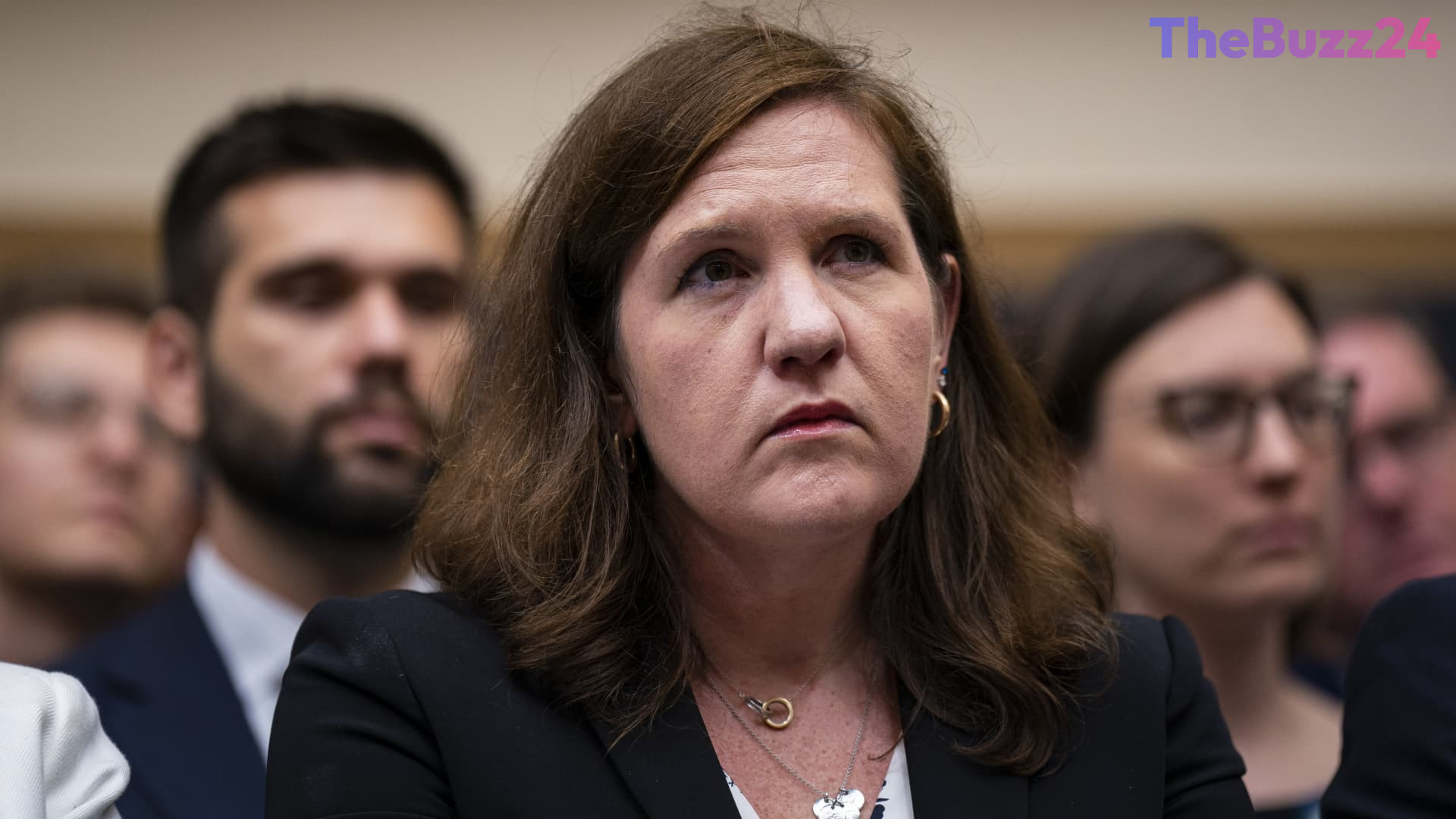
Former President Trump hailed the decision as a “BIG WIN,” emphasizing its historical significance in expanding presidential powers. However, Commissioner Slaughter expressed deep disappointment, warning that the ruling would inevitably politicize FTC policy and could lead to decisions favoring political allies and campaign contributors over the merits, potentially harming honest businesses and ordinary Americans. Liberal Justice Sonia Sotomayor, in a scathing dissent, criticized the majority for undoing “centuries of political practice” and granting the President a power “unknown even to the English Crown.”
Notably, Chief Justice John Roberts, who authored the majority opinion, carved out a potential exemption for members of the Federal Reserve, stating that the ruling should not be interpreted as affecting the Fed’s structure. This distinction comes amidst a separate legal challenge involving former President Trump’s attempt to remove Fed Governor Lisa Cook, a case that remains ongoing in a lower federal court. The Supreme Court’s decision underscores a significant shift in the operational autonomy of numerous federal regulatory bodies.
Key Takeaways
- The Supreme Court ruled that presidents have broad authority to remove heads of independent federal agencies, overturning a nearly 90-year-old precedent.
- The decision stems from former President Trump's attempt to fire FTC Commissioner Rebecca Slaughter, with the Court stating the FTC's 'for cause' removal provision violated separation of powers.
- The ruling explicitly carves out a potential exemption for the Federal Reserve, indicating its structure and the removal of its members may not be affected.
Editor’s Analysis & Impact
This Supreme Court ruling marks a profound shift in the landscape of federal governance, significantly enhancing presidential power over independent regulatory bodies. The immediate impact could be a heightened politicization of agencies like the FTC, potentially leading to policy decisions more aligned with a sitting administration’s agenda rather than purely merit-based or long-term regulatory stability. For businesses, this introduces a new layer of uncertainty, as regulatory enforcement and policy direction could become more susceptible to changes with each presidential transition. The long-term implications suggest a weakening of the ‘independent’ nature of these agencies, potentially affecting investor confidence and market stability in sectors heavily regulated by these bodies. Future administrations will now possess a more direct lever to shape economic and social policy through personnel changes, fundamentally altering the checks and balances intended by the original structure of these agencies.
Frequently Asked Questions
Q: What is the core of the Supreme Court's recent ruling regarding presidential power?
A: The Supreme Court ruled that a president has the authority to remove commissioners of independent federal agencies, such as the Federal Trade Commission (FTC), without needing to show 'for cause' reasons. This decision significantly expands presidential power over these bodies.
Q: Which legal precedent did this ruling overturn?
A: The ruling effectively overturned the 'Humphrey's Executor' precedent from 1935, which had previously established protections for members of independent agencies from being fired by a president without cause.
Q: Does this ruling apply to the Federal Reserve?
A: No, Chief Justice John Roberts explicitly stated that the opinion should not be read as affecting the structure of the Federal Reserve. This suggests that the ability of a president to remove Federal Reserve board members may still be subject to different legal interpretations or challenges.
AI Disclosure: This article is based on verified data and official reports. Our Team and AI have cross-referenced every financial detail with primary sources to ensure total accuracy.
More from this Category