European Central Bank Officials Signal Persistent Inflation Risks Amid Geopolitical Instability
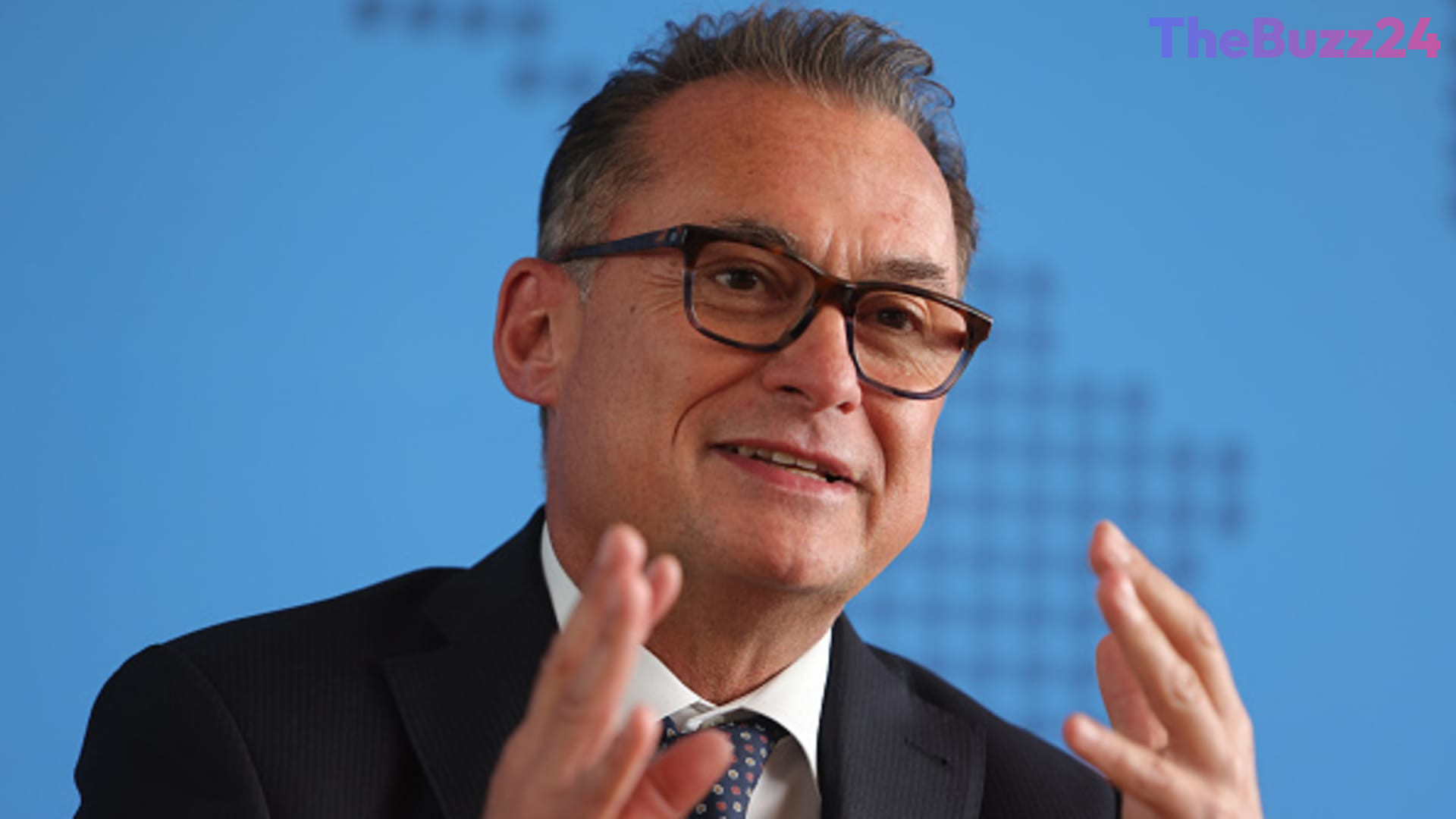
Top European central bank officials have issued a cautious outlook regarding the trajectory of inflation, warning that price levels are likely to remain significantly above target despite recent diplomatic efforts to de-escalate tensions in the Middle East. Bundesbank President Joachim Nagel emphasized that the lingering effects of energy price shocks continue to permeate the economic system, suggesting that the path toward price stability remains fraught with uncertainty.
Speaking at the European Central Bank’s Forum on Central Banking in Sintra, Portugal, Nagel noted that while recent interest rate hikes were a necessary step, the current geopolitical climate makes it difficult to predict future monetary policy moves. The ongoing instability surrounding the U.S.-Iran conflict and its impact on critical shipping routes like the Strait of Hormuz have created a volatile environment for energy prices, which remains a primary driver of inflationary pressure across the euro zone.
ECB President Christine Lagarde echoed these sentiments, highlighting that while the central bank is moving toward more conventional policy tools, the global economic landscape has fundamentally shifted. Lagarde pointed to a ‘charged geopolitical environment,’ characterized by frequent supply-side shocks and shifting trade policies, as a permanent feature of the modern economy. As the ECB navigates these challenges, policymakers are signaling a shift toward measured, data-dependent rate adjustments to manage inflation in an era defined by persistent external disruptions.
Key Takeaways
- Bundesbank President Joachim Nagel warns that inflation is likely to remain elevated due to lingering energy price shocks.
- Geopolitical instability, particularly in the Middle East, continues to threaten economic stability and complicates monetary policy forecasting.
- The ECB is transitioning to conventional policy tools but acknowledges that the global economic environment is now more prone to frequent supply-side shocks.
Editor’s Analysis & Impact
The European Central Bank is currently navigating a precarious transition from crisis-era unconventional monetary policy to a more traditional framework. However, the ‘new normal’ described by leadership suggests that the era of predictable economic cycles has been replaced by a period of structural volatility. The reliance on energy-sensitive supply chains makes the euro zone particularly vulnerable to geopolitical friction in the Middle East. Investors should anticipate a ‘higher-for-longer’ interest rate environment as the ECB prioritizes inflation control over growth stimulus. The market’s expectation of a September rate hike reflects a lack of confidence in a swift return to target inflation, suggesting that volatility in both bond and equity markets will likely persist as long as the geopolitical situation remains opaque.
Frequently Asked Questions
Q: Why is inflation expected to remain high despite peace talks?
A: Officials note that the energy price shocks caused by the conflict are already embedded in the economic system, and the overall geopolitical environment remains too unstable to guarantee a quick return to target inflation levels.
Q: How is the ECB changing its approach to monetary policy?
A: The ECB is moving away from the 'unconventional instruments' used during the sovereign debt and pandemic crises, focusing instead on stabilizing inflation through measured adjustments to key interest rates.
AI Disclosure: This article is based on verified data and official reports. Our Team and AI have cross-referenced every financial detail with primary sources to ensure total accuracy.
More from this Category