Short Sellers Face Growing Risks as Pop Mart Defies Bearish Sentiment
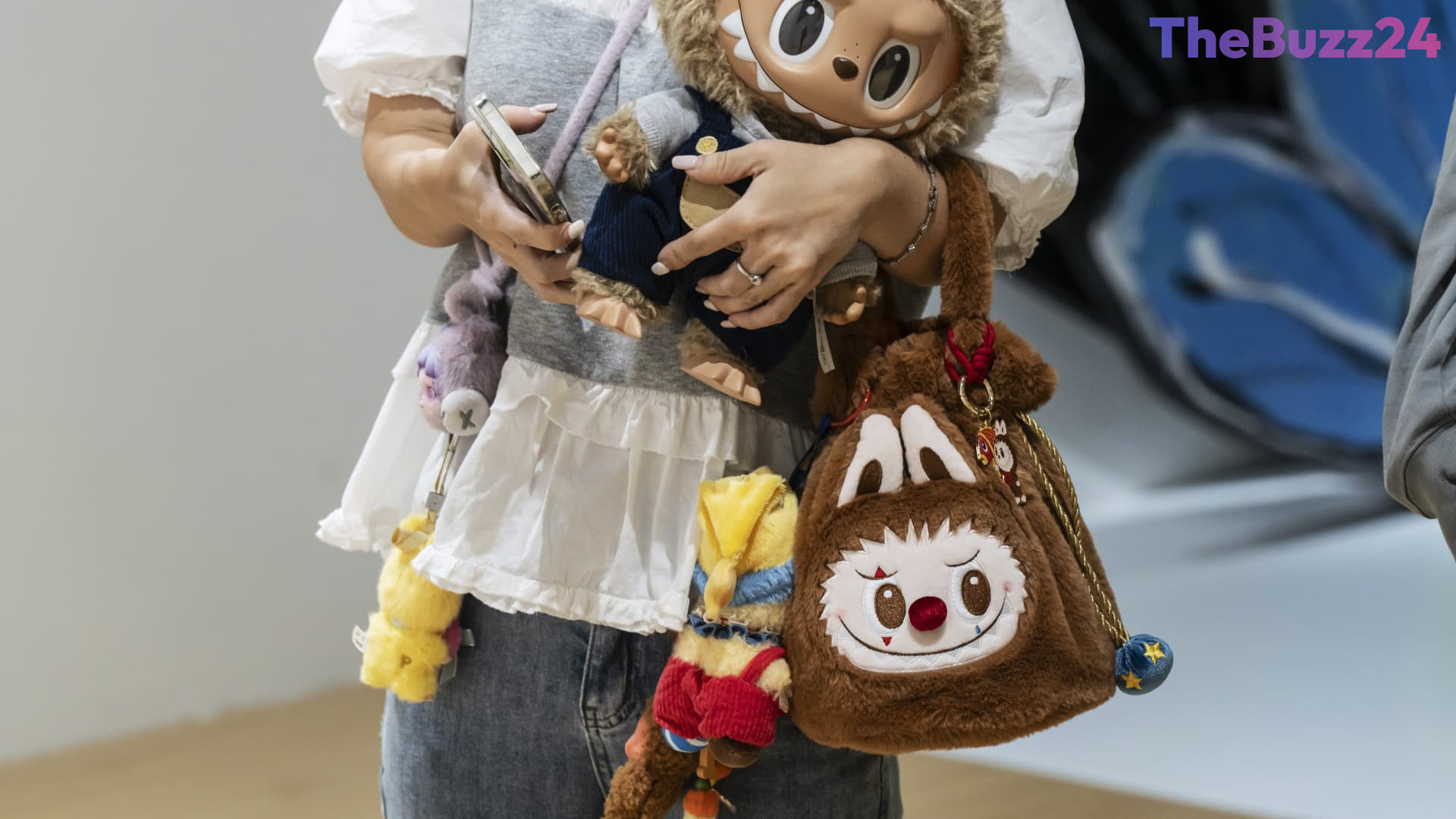
Pop Mart International has become a focal point of market tension, emerging as the sole outlier among Hong Kong’s most-shorted stocks where bearish investors are currently facing losses. Despite a significant increase in short interest, which has climbed to 12.67% of shares outstanding, the Chinese toymaker’s recent share price recovery has left skeptics in a precarious position. While the stock remains well below its previous peaks, an 8% gain since its April lows has created a challenging environment for those betting against the company.
The divide between market participants remains stark. Skeptics point to potential cooling demand in international markets and concerns regarding the long-term sustainability of the company’s rapid growth, particularly regarding the popularity of its signature toy lines. Conversely, supporters of the stock highlight the company’s ongoing product innovation and what they perceive as an attractive valuation, suggesting that the brand’s intellectual property development remains a strong long-term driver.
Adding to the pressure on short sellers is the increasing difficulty of maintaining these positions. With approximately 92.4% of available shares currently on loan, the cost of borrowing has risen, and the execution of new bearish trades has become significantly more expensive. This technical environment raises the specter of a potential short squeeze, as the limited supply of borrowable shares makes it increasingly difficult for new entrants to bet against the company without incurring substantial fees.
Management has characterized the current phase as a period of consolidation, describing it as a ‘pit stop’ year intended to prioritize quality and sustainable growth over the rapid, high-intensity expansion seen in previous years. While analysts remain divided—with some maintaining buy ratings based on long-term potential and others citing concerns over organizational restructuring and overseas volatility—the market remains locked in a high-stakes battle between those betting on a turnaround and those anticipating a further decline.
Key Takeaways
- Pop Mart is currently the only stock among Hong Kong's top 10 most-shorted companies where short sellers are losing money.
- Short interest has risen to 12.67% of shares outstanding, but high borrowing costs and limited share availability are creating a potential short squeeze risk.
- Market analysts are split, with some citing long-term IP growth potential while others warn of decelerating demand and operational headwinds in overseas markets.
Editor’s Analysis & Impact
The situation surrounding Pop Mart serves as a classic case study in market sentiment divergence. The ‘pit stop’ strategy employed by management is a double-edged sword; while it signals a mature approach to sustainable growth, it also provides ammunition for bears who interpret the shift as a sign of slowing momentum. From an industry perspective, the high utilization rate of shares available for borrowing suggests that the ‘easy’ money for short sellers has likely already been made. If the company continues to demonstrate resilience in its overseas expansion, the resulting short squeeze could provide significant upward volatility. Investors should monitor the cost-to-borrow fees and the company’s upcoming quarterly reports, as these will be the primary catalysts for either a capitulation by the bears or a renewed decline in share price.
Frequently Asked Questions
Q: Why are short sellers losing money on Pop Mart?
A: Short sellers are losing money because the stock price has rebounded by 8% from its April lows, causing the value of their bearish positions to decline while they simultaneously pay high fees to borrow the shares.
Q: What does the 'pit stop' analogy mean for Pop Mart?
A: Management uses the 'pit stop' analogy to describe a transition from rapid, aggressive expansion to a phase of consolidation, focusing on quality, organizational restructuring, and sustainable growth rather than just volume.
AI Disclosure: This article is based on verified data and official reports. Our Team and AI have cross-referenced every financial detail with primary sources to ensure total accuracy.
More from this Category