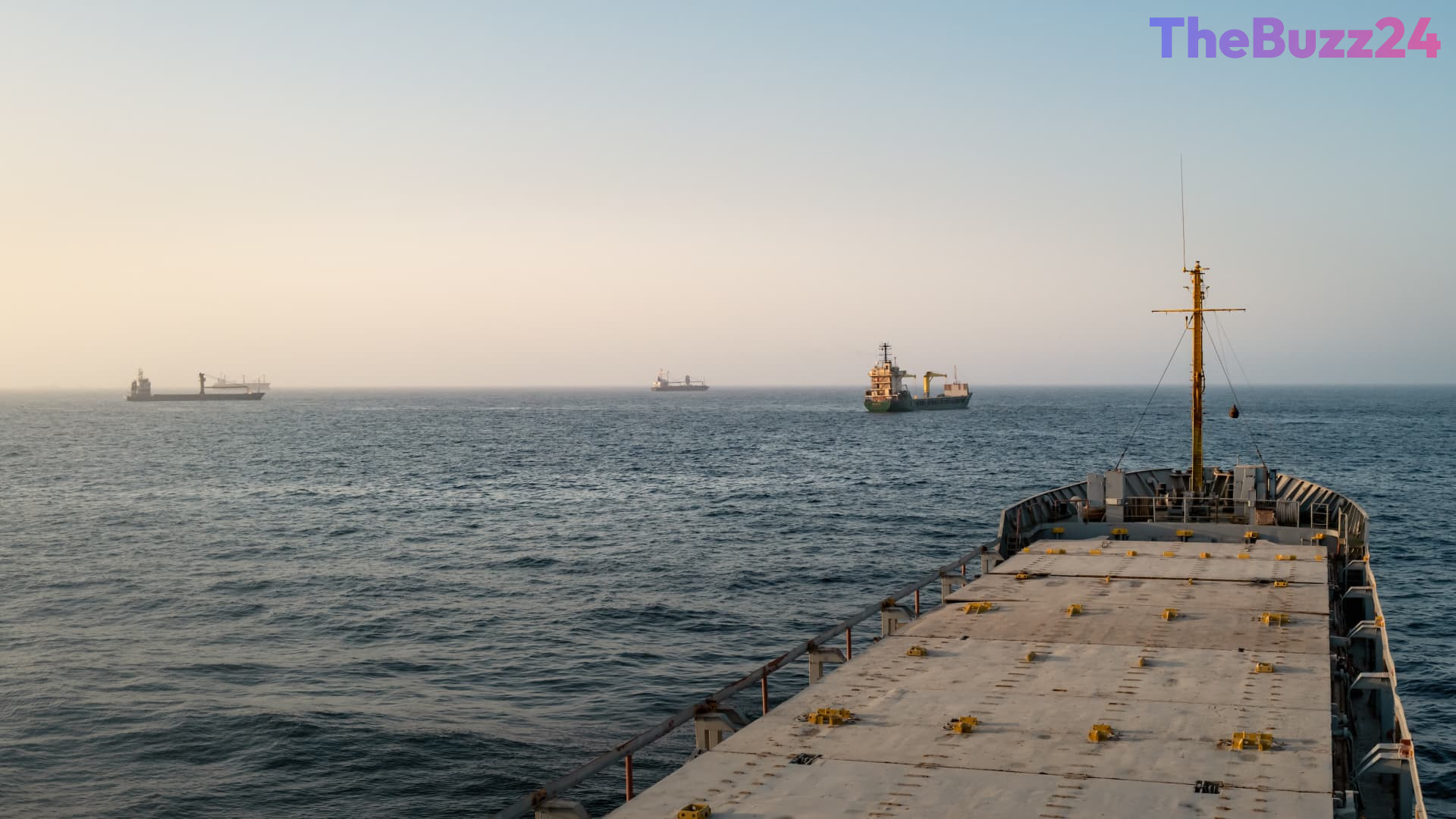
Iran Surges Oil Exports to 40 Million Barrels Following End of U.S. Naval Blockade
Iran has rapidly resumed its energy exports, shipping over 40 million barrels of crude oil in the two weeks since the United States lifted its naval blockade on Iranian ports. This sudden influx of supply follows a bilateral memorandum of understanding signed on June 17, which paused a four-month conflict and reopened the critical Strait of Hormuz. According to Iranian officials, the country is now securing a 20% premium on its oil sales compared to pre-war levels, marking a significant economic turnaround after months of zero exports during the blockade.
The resumption of maritime traffic through the Strait of Hormuz has dramatically altered global energy markets. Brent crude, which peaked at $118 per barrel in April during the height of the hostilities, has retreated to around $73 per barrel as supply anxieties ease. Prior to the conflict, Iranian crude typically traded at a steep discount of $10 to $15 below Brent to offset the risks associated with international sanctions. The current premium suggests robust demand and a shifting geopolitical landscape as buyers rush to secure shipments.
Under the temporary 60-day agreement, vessels are permitted to transit the Strait of Hormuz toll-free while negotiators work toward a permanent peace deal. However, Iranian chief negotiator and parliament speaker Mohammad Bagher Ghalibaf emphasized that Tehran maintains administrative authority over the strategic waterway, which it shares with Oman. Ghalibaf reiterated that Iran will not relinquish its territorial rights over the northern transit lanes, leaving the long-term governance of the strait uncertain once the 60-day window closes.
Beyond oil logistics, tensions remain regarding the allocation of unfrozen Iranian financial assets abroad, estimated at $24 billion. While U.S. leadership suggested these funds would be restricted to purchasing American agricultural products, Iranian officials countered that at least $12 billion will be directly allocated to Iran’s central bank. This will allow the country to purchase necessary global goods in any currency, bypassing potential Western restrictions and setting up further diplomatic friction as peace talks progress.
Key Takeaways
- Iran has exported between 40 and 50 million barrels of crude oil in the two weeks following the lifting of the U.S. naval blockade.
- Global oil prices have stabilized, with Brent crude dropping to around $73 a barrel from its wartime peak of $118.
- While a 60-day toll-free transit agreement is in place for the Strait of Hormuz, Iran insists on retaining administrative sovereignty over the waterway.
Editor’s Analysis & Impact
The swift resumption of Iranian oil exports highlights the extreme sensitivity of global energy markets to geopolitical disruptions in the Middle East. Reopening the Strait of Hormuz has successfully defused immediate supply fears, bringing Brent crude down to more sustainable levels near $73. However, the current stability is fragile. The 60-day window established by the June 17 memorandum of understanding serves as a temporary band-aid rather than a permanent solution. Iran’s insistence on maintaining administrative control over the Strait, coupled with disputes over how billions in unfrozen assets will be spent, suggests that the upcoming negotiations will be highly contentious. If diplomatic efforts falter, the risk of renewed blockades or maritime skirmishes could quickly send oil prices soaring once again, keeping energy markets on high alert.
Frequently Asked Questions
Q: How much oil has Iran exported since the blockade was lifted?
A: Iran has exported over 40 million barrels of crude oil—with some independent tracking estimates reaching up to 50 million barrels—within the first two weeks of the U.S. lifting its naval blockade.
Q: What is the current status of the Strait of Hormuz?
A: Under a temporary memorandum of understanding, ships can transit the Strait of Hormuz toll-free for 60 days. However, Iran maintains administrative and territorial control over its portion of the waterway.
Q: How has this development affected global oil prices?
A: The reopening of the shipping lanes has significantly increased global supply, causing Brent crude prices to drop to around $73 per barrel, down nearly 40% from the wartime high of $118 in April.
AI Disclosure: This article is based on verified data and official reports. Our Team and AI have cross-referenced every financial detail with primary sources to ensure total accuracy.
More from this Category