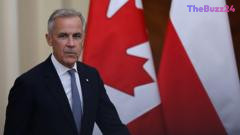
Canada at a Crossroads: Prime Minister Carney Faces Dual Sovereignty Challenges
As Canada marks its 159th anniversary, the nation finds itself navigating a complex period of internal friction that threatens its long-standing unity. Prime Minister Mark Carney is currently at the helm, attempting to reconcile deep-seated regional grievances in both Alberta and Quebec, where separatist sentiments have gained renewed political traction. These challenges represent a significant test for the federal government as it seeks to maintain national cohesion amidst growing calls for provincial autonomy.
In Quebec, the political landscape is shifting as the Parti Quebecois gains momentum ahead of the October provincial election, with a stated goal of holding a third independence referendum by 2030. Simultaneously, Alberta is preparing for a pivotal referendum on October 19th, where voters will decide whether to pursue a path toward sovereignty. Supporters of the movement in Alberta often cite long-standing frustrations regarding federal energy policies and a perceived lack of representation in Ottawa, though analysts suggest the current push is also influenced by broader populist trends that emerged during the pandemic.
Prime Minister Carney, drawing on his experience observing the complexities of the Brexit process, has taken a proactive stance to address these regional tensions. By emphasizing the economic risks of secession and the importance of national stability, he is attempting to steer the conversation toward collaborative growth. Recent efforts include a significant infrastructure investment in Quebec and a strategic agreement with Alberta to advance oil pipeline projects, signaling a shift toward addressing regional economic concerns directly to preserve the federation.
Despite the political noise, historical context suggests that Canada’s resilience has always relied on a delicate balance of regional identity and national compromise. While the separatist movements present a formidable challenge, public sentiment remains largely optimistic about the country’s future. Experts note that the Canadian model of pragmatism and negotiation has historically been the ‘secret sauce’ that keeps the diverse provinces aligned, a tradition that Carney is now tasked with upholding.
Key Takeaways
- Prime Minister Mark Carney is managing simultaneous sovereignty movements in Alberta and Quebec that threaten national unity.
- Alberta is set to hold a referendum on October 19th, while the Parti Quebecois in Quebec is campaigning on a platform that includes a potential third independence vote by 2030.
- The federal government is attempting to mitigate these tensions through targeted economic concessions, including infrastructure funding for Quebec and pipeline project support for Alberta.
Editor’s Analysis & Impact
The current political climate in Canada highlights the fragility of federalism in a country defined by vast geography and distinct regional identities. Prime Minister Carney’s approach—blending economic pragmatism with a firm stance against the perceived ‘ease’ of secession—mirrors the strategies used by past leaders to manage provincial friction. The market implications are significant; uncertainty regarding sovereignty can deter foreign investment and complicate long-term energy and infrastructure planning. If the federal government fails to effectively address the grievances in Alberta and Quebec, it could lead to a period of prolonged political instability, potentially impacting the Canadian dollar and the nation’s reputation as a stable business environment. The future of the federation will likely depend on whether the government can successfully pivot from crisis management to a cohesive national vision that makes the benefits of unity tangible to all provinces.
Frequently Asked Questions
Q: Why are some Albertans pushing for a referendum on sovereignty?
A: Many proponents of the movement argue that the province's energy-rich economy has been neglected by federal decision-makers and that environmental policies in Ottawa have hindered the development of natural resources.
Q: What is the status of the independence movement in Quebec?
A: The Parti Quebecois is currently leading in polls for the upcoming provincial election and has pledged to hold a third referendum on independence by 2030 if they secure a victory.
Q: How is Prime Minister Carney responding to these separatist pressures?
A: Carney is using a combination of economic diplomacy—such as fast-tracking pipeline projects and providing infrastructure funding—and public advocacy to emphasize the risks of secession and the benefits of remaining a unified nation.
AI Disclosure: This article is based on verified data and official reports. Our Team and AI have cross-referenced every financial detail with primary sources to ensure total accuracy.
More from this Category