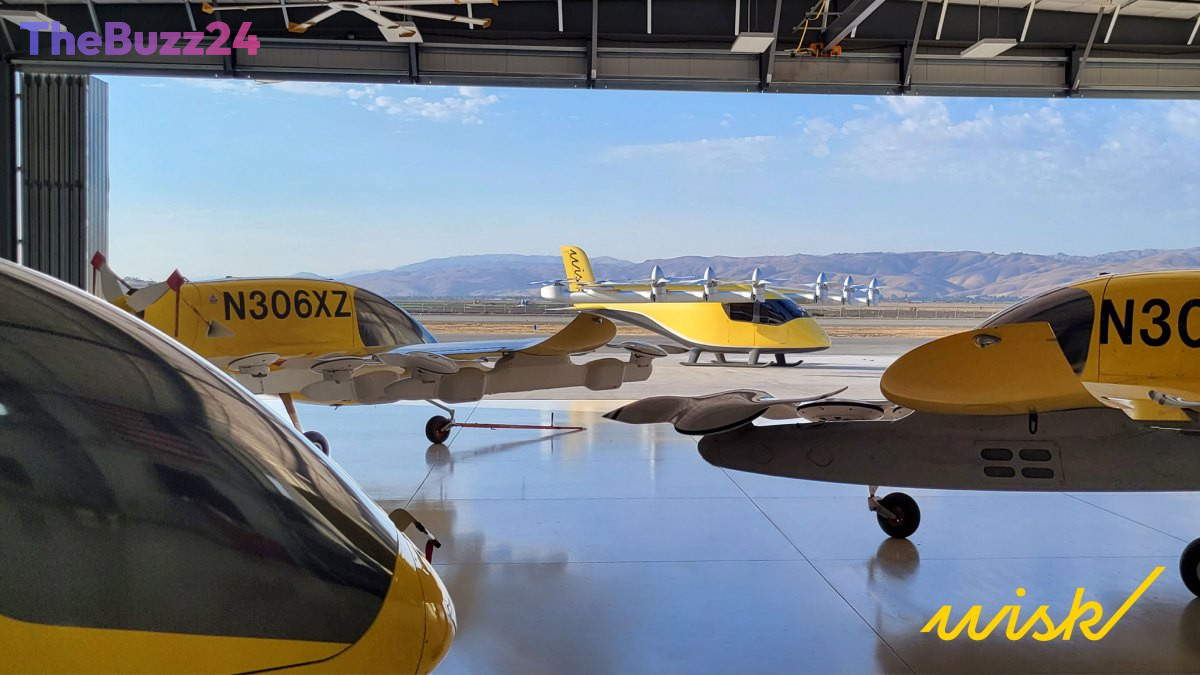
Wisk Aero Faces Lawsuit Over Alleged Retaliation for Safety Concerns
Wisk Aero, the electric air taxi venture backed by aerospace giant Boeing, is now facing legal action from a former employee who alleges wrongful termination after voicing safety concerns. The lawsuit, filed in Santa Clara Superior Court, claims that Briahna O’Neill, a former software manager, was dismissed shortly after submitting internal reports detailing alleged compromises in required safety testing.
According to the complaint, O’Neill’s reports highlighted instances where Wisk engineers reportedly reduced the scope of Federal Aviation Administration (FAA)-mandated software testing to meet an upcoming 2025 test flight deadline. She asserts that her termination occurred mere weeks after she filed her second internal safety complaint, suggesting a direct link between her whistleblowing and her dismissal.
Wisk Aero, established in 2019, is actively involved in the competitive race to develop commercially viable electric vertical takeoff and landing (eVTOL) aircraft. The company is notably pursuing full autonomy in its designs, a significant undertaking in the burgeoning advanced air mobility sector. Wisk is among a select group of eight companies recently authorized by the FAA to participate in a three-year program dedicated to testing such innovative aircraft. A spokesperson for Wisk stated that the company is unable to comment on ongoing litigation.
Key Takeaways
- Wisk Aero, a Boeing-owned electric air taxi company, is being sued by a former employee for alleged wrongful termination.
- The former employee claims she was fired after raising concerns about reduced FAA-required software testing to meet flight deadlines.
- Wisk Aero is participating in an FAA program to test autonomous eVTOL aircraft.
Editor’s Analysis & Impact
This lawsuit against Wisk Aero raises critical questions about corporate culture and safety protocols within the rapidly evolving advanced air mobility sector. Allegations of retaliating against employees who report safety issues, particularly concerning regulatory compliance, could significantly impact investor confidence and regulatory scrutiny. As companies like Wisk push the boundaries of autonomous flight technology, ensuring robust safety procedures and transparent reporting mechanisms is paramount. The outcome of this legal challenge could set a precedent for how such concerns are handled across the industry, potentially influencing development timelines and public acceptance of eVTOL technology.
Frequently Asked Questions
Q: What is Wisk Aero?
A: Wisk Aero is an electric air taxi company, majority-owned by Boeing, that is developing autonomous electric vertical takeoff and landing (eVTOL) aircraft.
Q: What are the main allegations in the lawsuit against Wisk Aero?
A: The lawsuit alleges that Wisk Aero wrongfully terminated a former software manager, Briahna O’Neill, after she raised concerns internally about the company allegedly reducing FAA-required software testing to meet a deadline.
Q: What is the significance of Wisk Aero's participation in the FAA program?
A: Wisk Aero is one of eight companies selected by the FAA to join a three-year program for testing advanced aircraft, indicating a level of regulatory engagement and potential for future commercial operations.
AI Disclosure: This article is based on verified data and official reports. Our Team and AI have cross-referenced every financial detail with primary sources to ensure total accuracy.
More from this Category