OpenAI Proposes Equity Donation to U.S. Sovereign Wealth Fund to Shape AI Policy
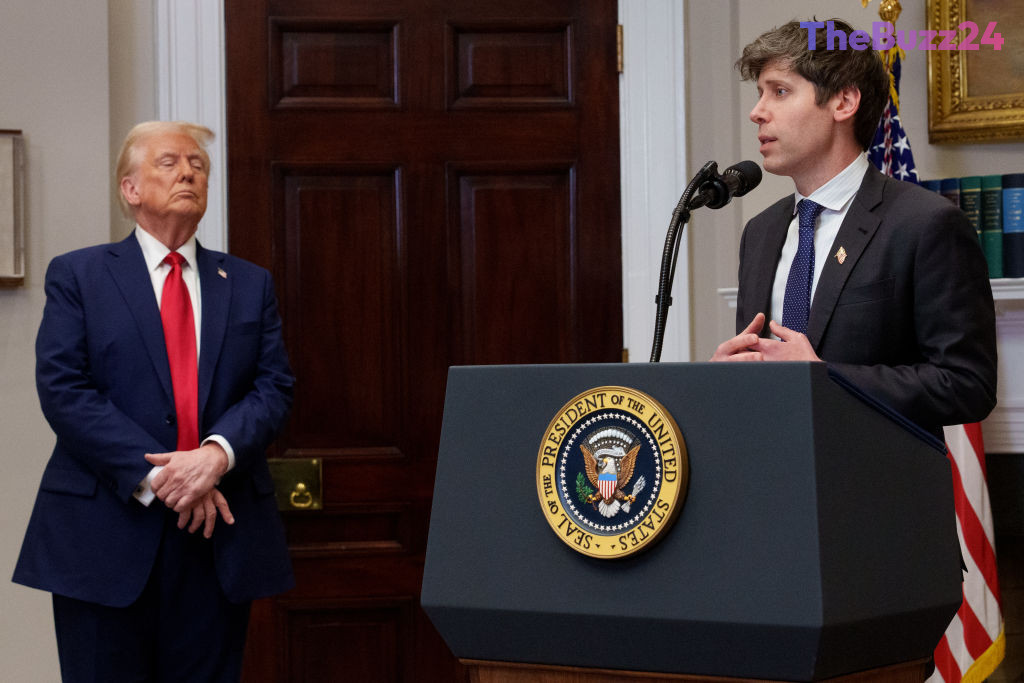
OpenAI CEO Sam Altman has reportedly proposed a plan to donate 5% of the company’s equity to a U.S. sovereign wealth fund. This initiative, which aims to foster stronger ties with the federal government, is intended to mitigate political friction surrounding the rapid advancement of artificial intelligence. The proposal suggests that other major AI firms could follow suit, potentially creating a collective public stake in the industry’s growth.
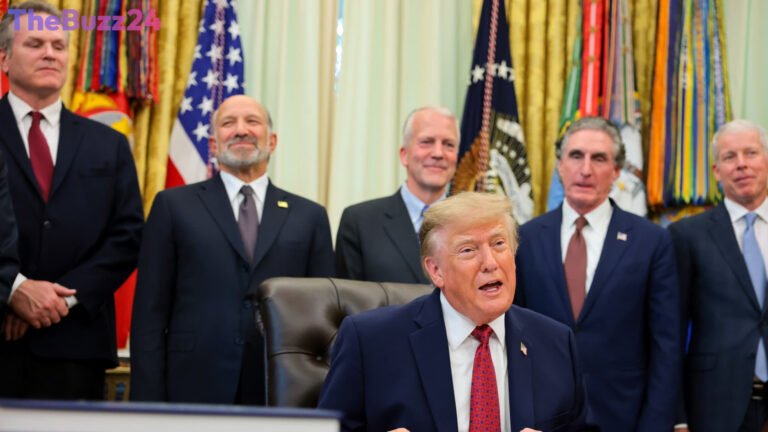
While the discussions are currently in the preliminary stages, the concept aligns with broader conversations regarding how the American public can share in the economic benefits of AI. President Trump has previously acknowledged discussions regarding models where the public becomes a partner in these technology companies. However, any formal implementation of such a fund would likely require significant legislative action and congressional approval, adding a layer of complexity to the proposal.
OpenAI has been vocal about this vision, recently publishing a policy paper titled ‘Industrial Policy for the Intelligence Age.’ The document outlines a framework for a public wealth fund that would invest in AI infrastructure and distribute returns directly to citizens. This approach contrasts with more aggressive legislative efforts, such as the American AI Sovereign Wealth Fund Act introduced by Senator Bernie Sanders, which proposes a 50% tax on the stock of systemically important AI companies to seed a similar public fund.
Key Takeaways
- OpenAI has proposed donating 5% of its equity to a U.S. sovereign wealth fund to improve government relations and share AI-driven economic growth.
- The proposal envisions a structure where the American public benefits directly from the success of major AI labs and infrastructure providers.
- Legislative hurdles remain significant, as any formal adoption of such a fund would likely require congressional approval and clear regulatory frameworks.
Editor’s Analysis & Impact
The proposal by OpenAI represents a strategic pivot toward ‘cooperative capitalism’ in the tech sector. By proactively offering equity to the state, the company is attempting to preempt heavy-handed regulation and antitrust scrutiny that often follows rapid technological dominance. If successful, this model could redefine the relationship between private AI labs and the public, effectively turning the government into a stakeholder rather than just a regulator. However, the industry faces a delicate balance; while this could secure political goodwill, it also sets a precedent for state intervention in private corporate governance. The future outlook depends on whether Congress views this as a viable economic policy or a superficial attempt to avoid stricter oversight. Ultimately, this move signals that AI companies are increasingly aware that their long-term survival depends on social license and public perception as much as technical innovation.
Frequently Asked Questions
Q: Why would OpenAI want to donate equity to the government?
A: The donation is intended to secure better relations with the administration, address political blowback regarding AI's societal impact, and allow the public to participate in the economic upside of AI growth.
Q: Has this proposal been officially enacted?
A: No, the talks remain preliminary. Any formal action would require congressional approval, and there is currently no legislation in place to facilitate such a transfer of equity.
AI Disclosure: This article is based on verified data and official reports. Our Team and AI have cross-referenced every financial detail with primary sources to ensure total accuracy.
More from this Category