World Cup Fever Drives Record-Breaking Surge in Prediction Market Trading
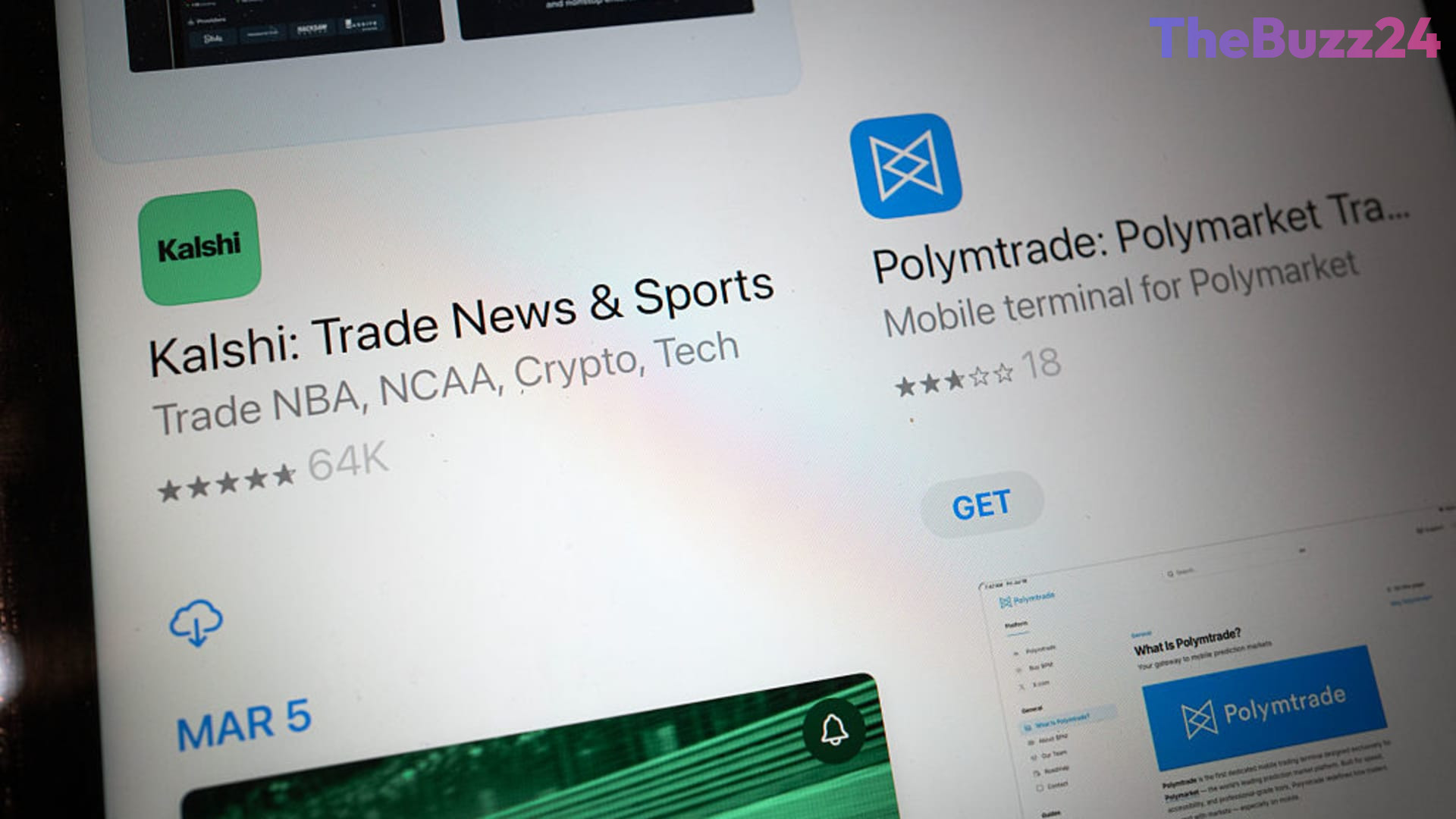
The 2026 FIFA World Cup has transformed into a massive catalyst for the prediction market industry, driving trading volumes to unprecedented levels throughout June. Platforms such as Kalshi and Polymarket reported significant spikes in activity as global interest in the tournament translated into high-stakes event contract trading. Kalshi, in particular, saw its notional volume climb to over $31 billion in June, marking a 70% increase from the previous month and maintaining a consistent daily volume exceeding $1 billion since the tournament’s kickoff.
Polymarket also experienced a robust recovery, setting a new monthly record with over $10.8 billion in notional trading volume on its international platform, while its U.S.-based operations surpassed $3.5 billion. The market surge was further bolstered by the entry of Rothera, a joint venture between Susquehanna International Group and Robinhood. Despite launching only in June, Rothera quickly captured 7% of the U.S. prediction market volume, processing $2 billion in trades as it integrated World Cup contracts directly into the Robinhood brokerage experience.
Beyond the raw numbers, the tournament serves as a critical stress test for the infrastructure of these platforms. With open interest on Kalshi exceeding $1 billion, industry experts view this period as a pivotal moment for demonstrating market maturity. As regulators and institutional investors monitor the platforms’ ability to maintain a level playing field under sustained high-volume conditions, the successful handling of World Cup traffic could pave the way for broader adoption of event-based contracts in other sectors.
Key Takeaways
- Prediction market platforms like Kalshi and Polymarket hit record-breaking trading volumes in June, fueled by intense interest in the FIFA World Cup.
- New entrant Rothera, a collaboration between Robinhood and Susquehanna International Group, successfully captured 7% of the U.S. market share in its first month.
- The World Cup is acting as a high-stakes 'pressure test' for prediction markets, proving their operational capacity to regulators and institutional investors.
Editor’s Analysis & Impact
The surge in prediction market volume during the World Cup represents a significant milestone for the alternative asset class. By successfully managing billions of dollars in notional volume, these platforms are transitioning from niche financial experiments to serious contenders in the fintech space. The industry’s ability to maintain market integrity during this high-traffic event is crucial for long-term institutional adoption. If these platforms can prove their resilience and regulatory compliance, we expect to see a diversification of contract offerings beyond sports, potentially expanding into political, economic, and climate-related event forecasting. However, the scrutiny from regulators remains high; the future outlook depends heavily on whether these platforms can sustain this momentum without compromising on transparency or user security as they scale.
Frequently Asked Questions
Q: What is a prediction market platform?
A: A prediction market platform is an exchange where users trade contracts based on the outcome of future events, such as sports results, political elections, or economic indicators.
Q: Why is the World Cup considered a 'pressure test' for these platforms?
A: The massive influx of users and capital during the World Cup tests the platforms' technical infrastructure, liquidity, and ability to ensure fair trading practices under extreme, sustained pressure.
AI Disclosure: This article is based on verified data and official reports. Our Team and AI have cross-referenced every financial detail with primary sources to ensure total accuracy.
More from this Category