Iran Commences Elaborate Six-Day Funeral Procession for Late Supreme Leader Ayatollah Ali Khamenei
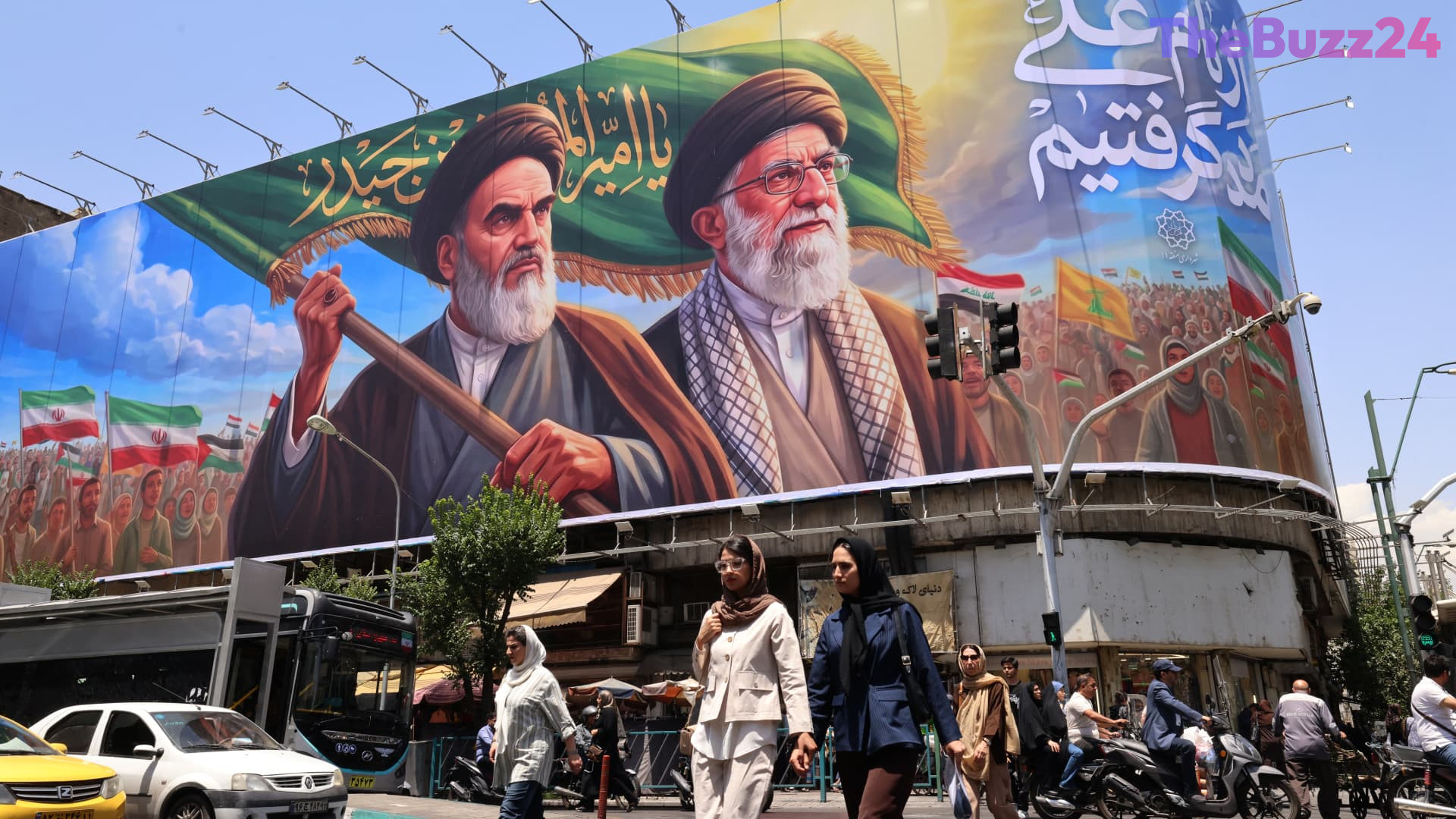
Iran has officially initiated a massive, six-day funeral procession for the late Supreme Leader Ayatollah Ali Khamenei, nearly four months after his death during the onset of the regional conflict in February. The state-organized event is designed to span multiple cities across Iran and Iraq, culminating in a final burial in the holy city of Mashhad. Officials have described the proceedings as a significant display of national unity and regime continuity, though the delay in the ceremony highlights the complex security environment that has persisted since the leader’s passing.
The procession is scheduled to move through Tehran, Qom, Najaf, Karbala, and finally Mashhad, involving some of the most sacred sites in Shia Islam. In Tehran, authorities are preparing for record-breaking crowds, with city officials estimating that attendance could reach 20 million people. The logistical undertaking is being managed by the Islamic Revolutionary Guard Corps and the Basij paramilitary force, who are overseeing everything from crowd control to the conversion of public infrastructure into temporary housing for millions of mourners.
International interest in the event remains high, with over 30 countries reportedly requesting to send delegations. The funeral also serves as a critical moment for the new Supreme Leader, Mojtaba Khamenei, whose public visibility during the ceremonies will be closely watched by global observers. As the nation navigates this period of mourning, the government faces the dual challenge of managing deep-seated economic discontent and maintaining internal stability while hosting foreign dignitaries amidst heightened regional tensions.
Key Takeaways
- Iran is holding a six-day, multi-city funeral procession for the late Ayatollah Ali Khamenei, ending in his birthplace of Mashhad.
- The event is being utilized by the state to project legitimacy and regime control, with massive security operations managed by the IRGC.
- The funeral serves as a high-stakes public platform for the new Supreme Leader, Mojtaba Khamenei, amid ongoing economic and social challenges.
Editor’s Analysis & Impact
The funeral of Ayatollah Ali Khamenei is far more than a religious observance; it is a calculated geopolitical maneuver intended to project strength and continuity during a period of extreme vulnerability for the Islamic Republic. By orchestrating a procession that traverses both Iran and Iraq, the regime is attempting to solidify its regional influence and demonstrate domestic cohesion. However, the event exposes the fragility of the current leadership transition. With a new, relatively untested Supreme Leader and a populace grappling with significant economic hardship, the regime is walking a fine line. The success of this event will be measured not just by the turnout, but by the government’s ability to maintain absolute security and prevent any public displays of dissent, which could signal deeper fractures within the state’s power structure.
Frequently Asked Questions
Q: Why was the funeral for Ayatollah Ali Khamenei delayed for four months?
A: The funeral was delayed for several months primarily due to the ongoing regional conflict and the significant security challenges that followed the leader's death in February.
Q: Where will the final burial of Ayatollah Ali Khamenei take place?
A: The final burial will take place in Mashhad, Iran, which is the leader's birthplace and the site where his father is also interred.
AI Disclosure: This article is based on verified data and official reports. Our Team and AI have cross-referenced every financial detail with primary sources to ensure total accuracy.
More from this Category