FIFA Overturns Folarin Balogun’s World Cup Suspension Following High-Level Intervention
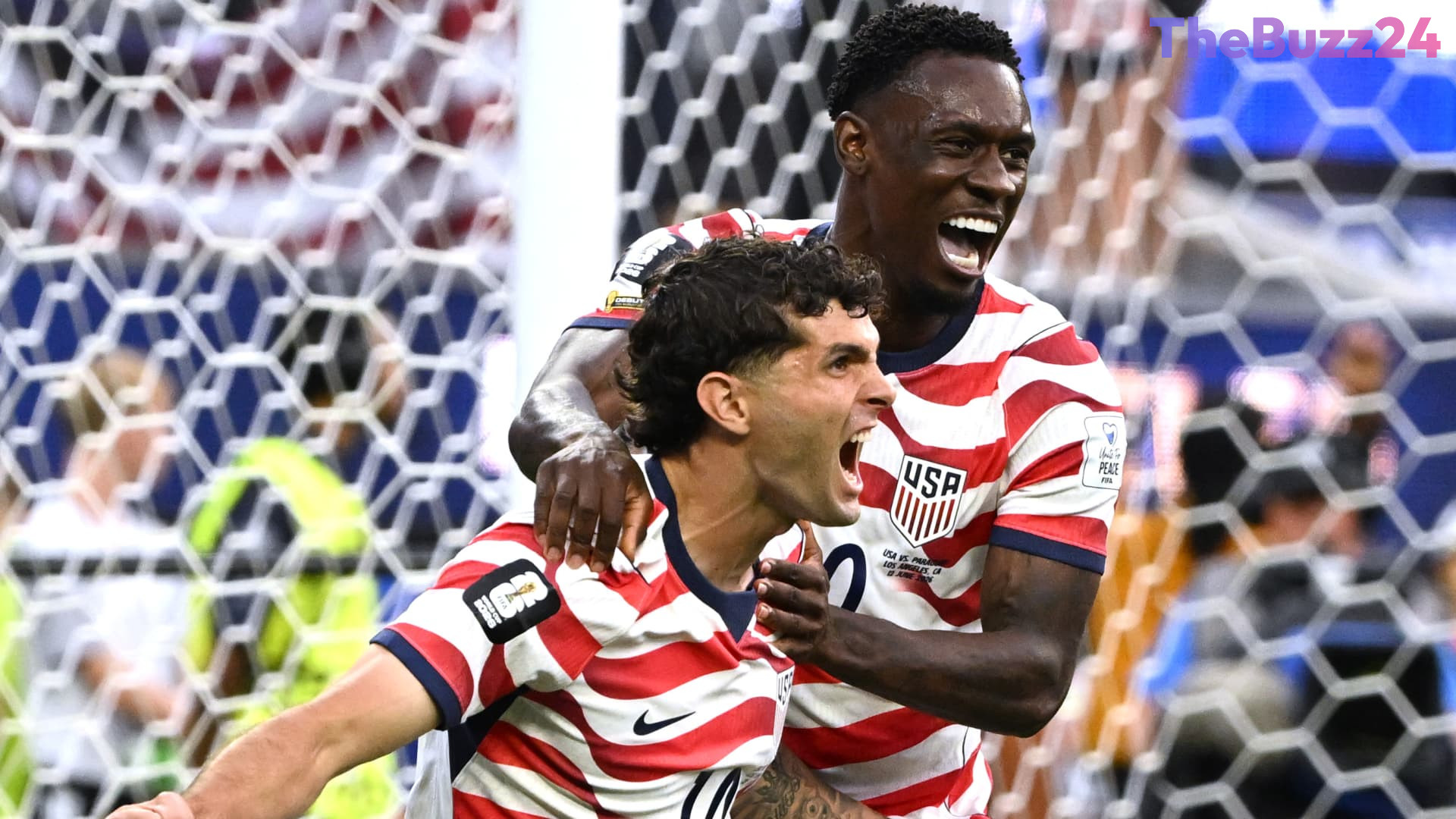
In a move that has sent shockwaves through the international soccer community, FIFA has reversed a one-game suspension for U.S. Men’s National Team striker Folarin Balogun. The decision clears the way for the star forward to compete in Monday’s pivotal Round of 16 match against Belgium in Seattle. The reversal marks a rare deviation from standard disciplinary protocols, as automatic suspensions for red cards are typically non-negotiable.
The controversy began last Wednesday when Balogun was issued a red card during the United States’ 2-0 victory over Bosnia and Herzegovina. Following the incident, reports emerged that President Donald Trump had engaged in direct communication with FIFA President Gianni Infantino to discuss the disciplinary action. According to officials, the U.S. government provided additional evidence regarding the officiating process, specifically challenging the reliance on slow-motion replays during the match.
FIFA justified the unprecedented decision by citing Article 27 of its disciplinary code, which allows for the suspension of disciplinary measures under specific conditions. The governing body placed Balogun on a one-year probationary period instead of enforcing the immediate ban. The Belgian Royal Football Association has expressed formal astonishment at the reversal, stating that the decision appears to contradict established FIFA regulations and that they are currently exploring potential legal avenues to contest the ruling.
This development highlights the complex intersection of international sports governance and political influence. President Trump, who has maintained a close relationship with Infantino, publicly celebrated the outcome on social media. As the U.S. prepares to face Belgium, the focus remains on whether this intervention will set a precedent for future disciplinary disputes within the tournament, which is being co-hosted by the United States, Mexico, and Canada.
Key Takeaways
- FIFA reversed a one-game red card suspension for U.S. striker Folarin Balogun, allowing him to play in the upcoming match against Belgium.
- The reversal followed direct communication between President Donald Trump and FIFA President Gianni Infantino, alongside the submission of additional evidence by the U.S. government.
- The Belgian Royal Football Association has publicly criticized the decision, claiming it violates standard FIFA disciplinary rules.
Editor’s Analysis & Impact
The reversal of Folarin Balogun’s suspension represents a significant departure from FIFA’s traditional disciplinary autonomy. By intervening in a standard officiating matter, the governing body has opened itself to accusations of political bias and inconsistency, which could undermine the perceived integrity of the World Cup tournament. The Belgian Royal Football Association’s reaction suggests that this decision may lead to long-term friction between national federations and FIFA leadership. Furthermore, the close personal and professional ties between the U.S. administration and FIFA leadership raise questions about the influence of host nations on tournament governance. Moving forward, FIFA will likely face increased scrutiny regarding its disciplinary transparency, and the precedent set here could complicate future appeals processes, potentially inviting more political pressure on international sports bodies during high-stakes competitions.
Frequently Asked Questions
Q: Why was Folarin Balogun originally suspended?
A: Balogun received an automatic one-game suspension after being issued a red card during the U.S. match against Bosnia and Herzegovina.
Q: What legal basis did FIFA use to overturn the suspension?
A: FIFA cited Article 27 of its disciplinary code, which grants the judicial body the authority to fully or partially suspend the implementation of a disciplinary measure.
AI Disclosure: This article is based on verified data and official reports. Our Team and AI have cross-referenced every financial detail with primary sources to ensure total accuracy.
More from this Category